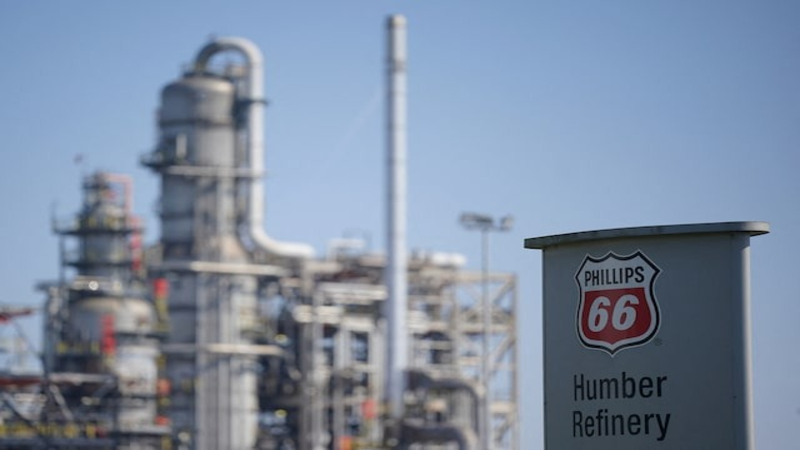
U.S. refiner Phillips 66 has agreed to acquire key assets and infrastructure from Britain’s Lindsey oil refinery, marking a strategic expansion of its UK footprint following the site’s liquidation. The move reflects a broader recalibration underway in Europe’s refining sector, where scale, integration, and logistics flexibility are increasingly prioritized over standalone operations. The Lindsey refinery, which ceased operations last year after its former owner collapsed into insolvency, will not resume refining under the deal. Instead, Phillips 66 plans to integrate storage and associated infrastructure into its nearby Humber refinery complex. For markets, the transaction underscores how energy companies are adapting to structural pressures in refining by consolidating assets rather than restoring capacity that may no longer be economically viable.
The decision not to restart refining at Lindsey highlights the persistent challenges facing older European facilities, including high operating costs, regulatory burdens, and uncertain long term demand. By folding Lindsey’s assets into Humber, Phillips 66 aims to enhance supply flexibility and support a mix of traditional and renewable fuel production. This approach allows the company to strengthen logistics and distribution capabilities without committing capital to full scale refining operations. For the UK energy system, the deal reinforces a shift toward fewer but more efficient hubs rather than a broad revival of domestic refining capacity. While the transaction value was not disclosed, the strategic intent is clear that infrastructure and optionality now carry more weight than nameplate output in investment decisions.
Employment implications remain a sensitive aspect of the transaction. The closure of Lindsey placed hundreds of jobs at risk, and while short term employment guarantees are in place, longer term outcomes remain uncertain. Phillips 66 has emphasized that it is acquiring assets rather than operating companies, leaving open questions about how many roles will ultimately be created or retained. UK officials have framed the deal as supportive of energy security and future construction activity, particularly around integration and upgrades at Humber. However, labor representatives have expressed concern that the site could be reduced to a storage function without meaningful industrial activity. This tension reflects a wider debate across Europe about balancing energy security, employment, and the economic realities of refining.
From a market perspective, the acquisition signals confidence in the UK’s role as a strategic fuel and logistics hub even as refining margins face cyclical pressure. Consolidation around efficient complexes may help stabilize supply chains and reduce vulnerability to disruptions. At the same time, the absence of new refining capacity suggests limited impact on overall fuel output. Investors are likely to view the deal as balance sheet neutral but strategically supportive, enhancing Phillips 66’s regional positioning rather than driving immediate earnings growth. The transaction illustrates how energy majors are positioning for a future defined by flexibility, infrastructure resilience, and gradual transition rather than large scale capacity expansion.