In emerging and frontier markets, few headlines move currencies faster than news tied to IMF programs. Even before formal negotiations conclude, speculation around financing support, conditionality, or delays can trigger sharp FX reactions. In 2026, this sensitivity is intensifying as global financing conditions remain selective and debt burdens stay elevated.
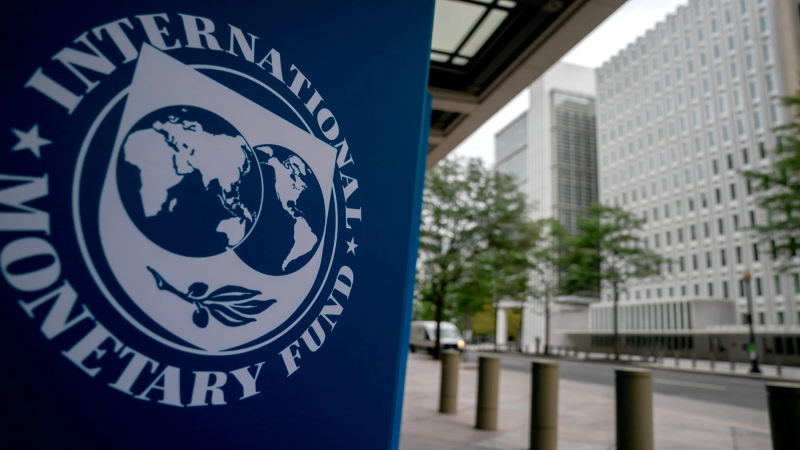
Markets do not treat IMF involvement as a neutral event. Instead, it is interpreted as a signal about underlying stress, policy credibility, and access to external funding. Understanding how and why IMF program risk turns into currency volatility helps explain sudden FX moves that appear disproportionate to the news itself.
Why IMF Programs Are a Powerful FX Signal
IMF programs sit at the intersection of debt sustainability, policy adjustment, and external financing. When a country approaches the IMF, markets infer that traditional funding sources are constrained. This immediately reframes currency risk, even if the program ultimately stabilizes the economy.
FX markets react to expectations rather than outcomes. The possibility of IMF involvement introduces uncertainty around exchange rate policy, fiscal tightening, and capital controls. These unknowns are priced quickly, often before details are clarified.
Debt Headlines Change the Risk Narrative Overnight
Debt related headlines tend to arrive abruptly. Reports of missed payments, reserve depletion, or financing gaps often surface with little warning. Once these issues are linked to potential IMF support, the narrative shifts from short term stress to structural adjustment.
Currencies reprice to reflect this shift. Investors anticipate policy changes that could include devaluation, subsidy reform, or tighter capital management. Even when these measures are necessary for stabilization, the near term FX impact is usually negative.
Conditionality Drives Volatility, Not Just Funding
IMF programs come with conditions designed to restore stability. While these conditions support long term sustainability, they often imply short term pain. Fiscal consolidation, exchange rate flexibility, and monetary tightening can all weigh on growth and sentiment.
Markets focus on implementation risk. Delays, political resistance, or social unrest increase uncertainty and fuel volatility. As a result, currencies can weaken even after programs are announced, especially if confidence in execution is low.
Timing Matters More Than Program Size
The speed of IMF disbursements matters more for FX markets than the total size of support. When near term financing needs are large, delays or uncertainty around initial tranches amplify currency pressure.
Conversely, rapid disbursement can stabilize expectations temporarily. However, this relief is often fragile if structural issues remain unresolved. FX markets continuously reassess whether funding timelines align with debt servicing and import needs.
Why Markets Differentiate Between Countries
Not all IMF programs trigger the same FX response. Countries with credible reform track records and strong institutions often experience less volatility. In these cases, IMF involvement is seen as precautionary rather than reactive.
Where credibility is weaker, IMF headlines magnify fear. Investors worry that programs signal deeper problems and that policy slippage is likely. This divergence explains why similar announcements can produce very different currency outcomes across countries.
The Role of External Conditions in 2026
Global conditions influence how IMF risk is priced. In 2026, higher refinancing costs and selective risk appetite mean less tolerance for uncertainty. Countries seeking IMF support face a more skeptical market environment than during periods of abundant liquidity.
This context accelerates FX reactions. Debt headlines that might have produced gradual adjustment in the past now trigger faster repricing. The margin for error is thinner, and patience is limited.
Using an IMF Program Risk Map
A practical IMF program risk map focuses on early indicators rather than formal announcements. Reserve adequacy, debt maturity profiles, fiscal slippage, and political stability all provide clues about vulnerability.
Monitoring these factors helps anticipate where IMF headlines could emerge and which currencies are most exposed. This approach shifts analysis from reaction to preparation.
Implications for FX Strategy in 2026
For FX traders and analysts, IMF related volatility represents both risk and opportunity. Understanding the mechanics behind the moves allows for better timing and positioning.
Rather than viewing IMF involvement as uniformly negative, markets should distinguish between stabilization potential and execution risk. The initial FX reaction often reflects fear, but longer term outcomes depend on policy follow through.
Conclusion
IMF program headlines remain one of the fastest channels through which debt stress turns into currency volatility. In 2026, selective global liquidity and high debt burdens amplify this effect. Mapping IMF risk in advance helps explain sudden FX moves and improves decision making in emerging market currency exposure.