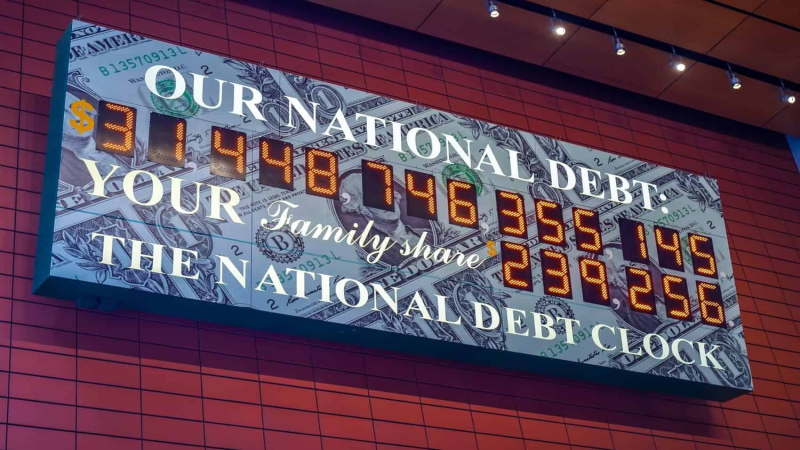
Global debt levels continued to climb through 2025, but the more important shift occurred beneath the headline totals. Rising interest costs, not new borrowing alone, became the defining pressure point for governments and markets. As debt servicing absorbed a larger share of fiscal resources, attention turned toward duration risk and its implications for the US dollar.
The global debt clock highlights how sensitive the system has become to interest rate levels. Even modest changes in yields now have outsized effects on budgets, funding strategies, and investor behavior. For USD markets, this dynamic reshapes how duration risk is priced and managed.
Why Interest Costs Matter More Than Debt Levels
Debt stocks tend to grow gradually, but interest costs can reprice quickly. As rates moved higher over recent years, governments faced rising refinancing expenses even without expanding deficits. This shift altered fiscal arithmetic across advanced and emerging economies.
Higher interest costs reduce fiscal flexibility. Governments must allocate more revenue to servicing debt, limiting spending options and increasing sensitivity to market conditions. Investors respond by reassessing risk premiums and maturity preferences.
For the US dollar, this environment reinforces the importance of duration as a risk factor rather than a passive allocation choice.
Duration Risk Is Back at the Center of Markets
Duration risk refers to the sensitivity of asset prices to changes in interest rates. In a low rate world, duration was often overlooked. In 2025, it returned forcefully.
Longer dated bonds experienced greater price volatility as yields adjusted. Investors became more cautious about extending maturity, favoring shorter duration or inflation protected exposure. This behavior influenced demand across the Treasury curve.
As global portfolios adjusted, duration risk became a driver of currency and capital flow dynamics.
How Rising Interest Costs Affect USD Demand
Rising global interest costs can support USD demand through several channels. As financing becomes more expensive, investors gravitate toward liquid markets with deep funding infrastructure. The US Treasury market remains central in this regard.
At the same time, higher servicing costs abroad can strain fiscal positions, increasing demand for safe and liquid assets. This reinforces the dollar’s role as a funding and reserve currency even when US yields stabilize.
These dynamics tie duration risk directly to currency behavior rather than isolating it within bond markets.
Fiscal Pressures and Curve Behavior
Fiscal pressures influence how governments manage maturity profiles. Shortening issuance can reduce near term costs but increase rollover risk. Extending duration locks in rates but exposes budgets to volatility.
In 2025, many issuers faced difficult trade offs. Market participants watched issuance patterns closely, as shifts along the curve affected global duration supply.
For USD markets, these decisions influenced term premiums and hedging behavior, shaping demand for dollar assets across maturities.
Implications for Global Investors
Rising interest costs change portfolio construction. Investors must balance yield, duration, and currency exposure more carefully. Strategies that worked in low rate environments require adjustment.
The global debt clock underscores that duration risk is no longer a background consideration. It is a central macro variable that interacts with fiscal sustainability and currency demand.
Understanding this interaction is essential for navigating fixed income and FX markets together.
Rising interes
Conclusion
t costs in 2025 shifted the focus from debt levels to duration risk. As servicing burdens grow, investors and governments alike must manage sensitivity to rate changes more carefully. For the US dollar, this reinforces its role as a liquidity anchor in a world where duration risk has returned to the forefront.