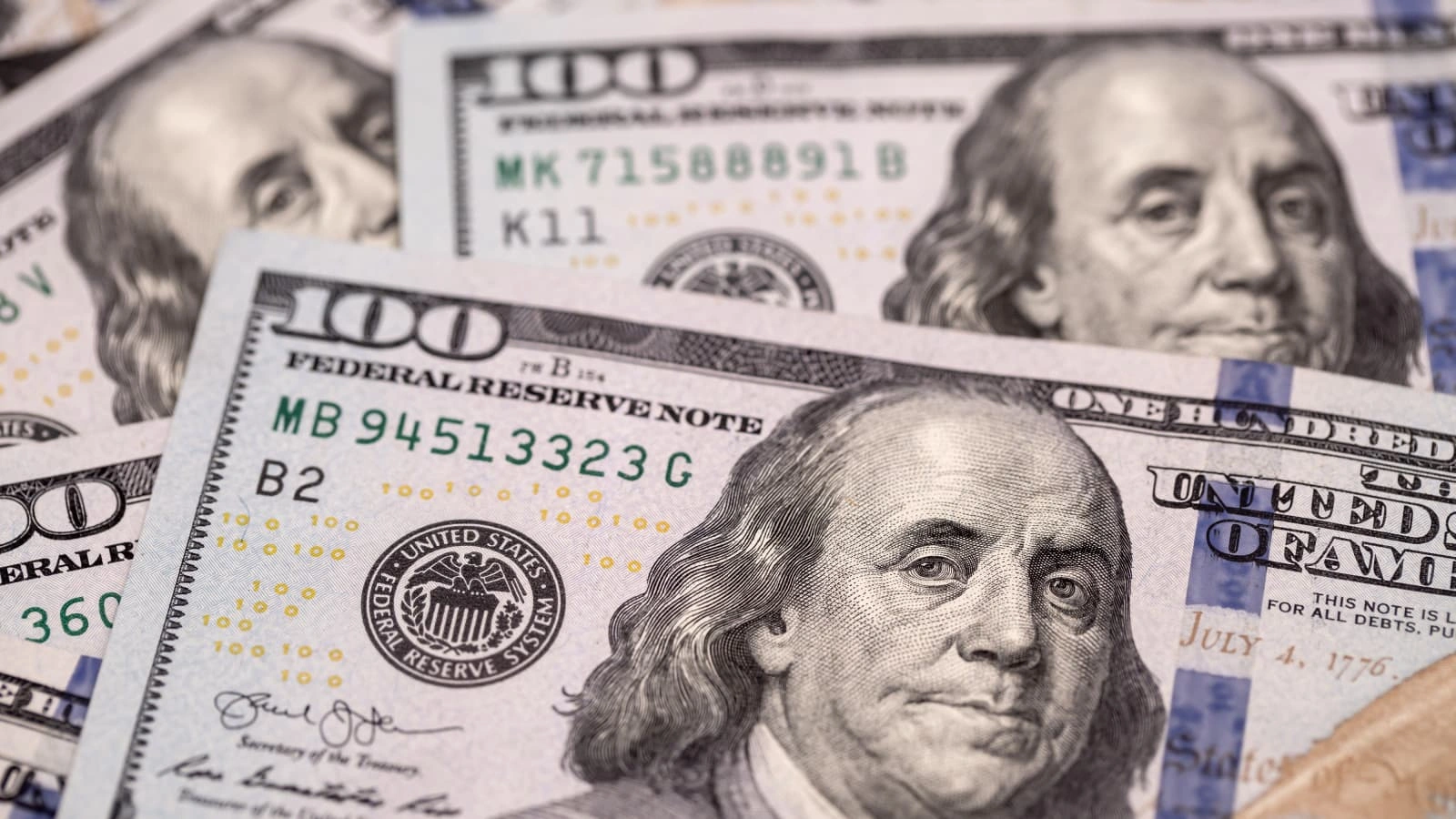
The US dollar closed out 2025 with a modest late year rebound but remained on track for its sharpest annual decline since 2017, underscoring how policy uncertainty and shifting rate expectations reshaped currency markets. A stronger than expected labor market reading briefly supported the greenback in the final sessions, yet the move did little to alter a year defined by easing monetary policy, fiscal concerns, and volatile trade decisions. Investors steadily reduced dollar exposure as rate cuts narrowed yield advantages and confidence in policy stability weakened. Despite periodic rallies tied to data surprises, the broader trend reflected a reassessment of US exceptionalism as capital flowed toward alternative currencies. The result was a market where short term resilience in economic data failed to offset longer term concerns around deficits, trade friction, and the durability of restrictive financial conditions.
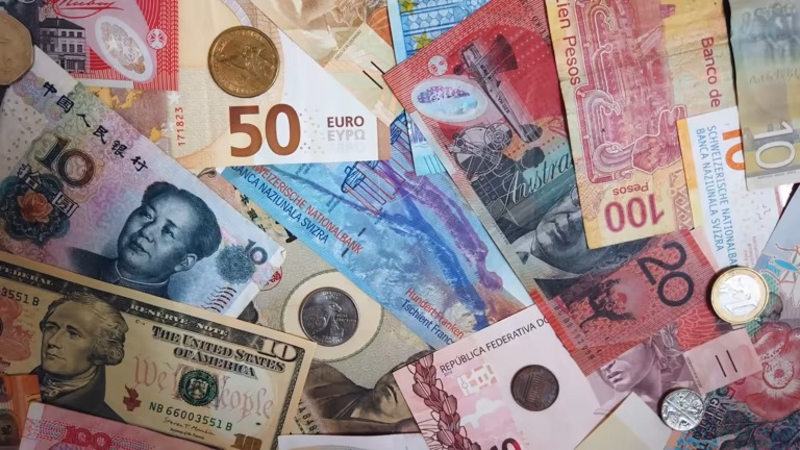
European currencies were among the main beneficiaries of the dollar’s retreat, with both the euro and sterling posting strong gains over the year. The euro advanced by more than 13 percent as investors rotated into the region amid a softer dollar and improving sentiment toward European assets. Sterling also delivered its best annual performance in years, supported by relative policy stability and reduced fiscal anxiety. The contrast highlighted how currency markets increasingly rewarded perceived policy consistency over absolute growth differentials. Meanwhile, concerns about the independence of the Federal Reserve added another layer of pressure, as markets weighed the implications of political influence on future rate decisions under Donald Trump. Expectations for fewer rate cuts in 2026 have slowed the dollar’s decline but have not been enough to reverse the broader downtrend established earlier in the year.
The yen stood out as an exception, struggling to gain ground despite the weaker dollar and multiple rate hikes by the Bank of Japan. Persistent yield differentials and lingering intervention risks kept the currency near levels that have previously drawn official scrutiny. Elsewhere, the Swiss franc and several Nordic currencies delivered double digit gains, reflecting both safe haven demand and diversification away from the dollar. As markets head into 2026, the dollar’s outlook remains closely tied to monetary credibility and fiscal discipline rather than isolated data points. While some strategists argue the worst of the dollar’s decline may be nearing an end, currency markets appear increasingly sensitive to policy signals, suggesting volatility will remain elevated as global investors reassess long standing assumptions about reserve currency dominance.