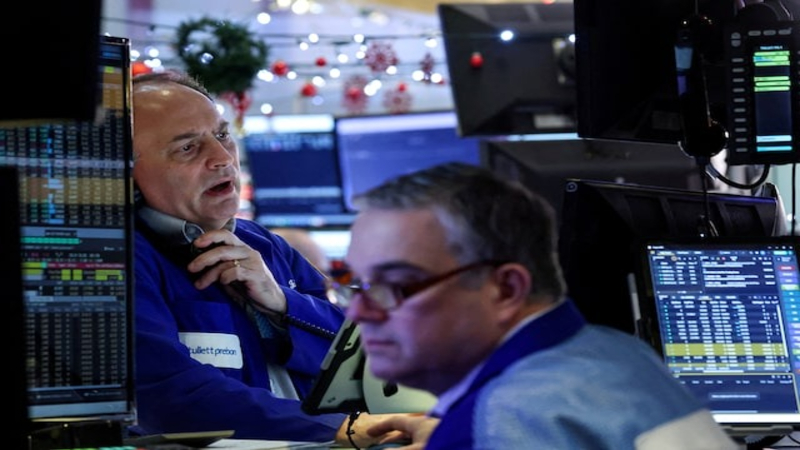
US equity markets edged lower in the final trading session of 2025 as technology stocks continued to weigh on sentiment, though major indexes remained on course to close the year with solid gains. Thin holiday trading volumes amplified modest moves, with investors opting to rebalance positions rather than extend risk exposure after a volatile but ultimately resilient year. The pullback followed several consecutive sessions of declines, defying expectations for a typical year end rally. Despite the late softness, the broader picture reflected a market that absorbed trade disruptions, shifting rate expectations, and sector rotations without derailing its upward trajectory. Gains accumulated earlier in the year, particularly after sharp recoveries from springtime selloffs, left little urgency for additional positioning. As liquidity tapered into the year end, price action increasingly reflected consolidation rather than a change in underlying market direction.
Technology shares remained a focal point as momentum cooled following months of outsized performance linked to artificial intelligence investment. Large cap chipmakers and software firms that drove index gains earlier in the year faced incremental selling pressure as investors reassessed valuations and near term earnings expectations. The retreat in tech contrasted with strength seen across other sectors over the course of the year, including communication services and selected industrial names. The uneven performance underscored how concentrated leadership had become, even as headline indexes advanced. Market participants continued to digest how much future growth is already priced into AI related stocks, particularly after record market capitalizations were reached. The shift highlights a transition from aggressive accumulation toward more selective exposure as investors weigh sustainability rather than narrative momentum.
Macro expectations remained central to year end positioning as attention turned toward monetary policy and political influence on markets. Federal Reserve guidance and incoming economic data reinforced expectations that interest rate decisions will remain finely balanced in 2026. Investors are increasingly focused on how policy direction may evolve under Donald Trump, particularly with a new central bank leadership appointment anticipated. Softer recent data has fueled hopes for additional easing, supporting risk assets even as uncertainty persists around inflation and fiscal policy. The late year pause in equities reflects a market that has already repriced much of the optimism tied to growth and liquidity. As trading resumes in the new year, investors are likely to test whether earnings and policy alignment can justify the gains accumulated during a year shaped by sharp swings and resilient demand for risk.