Global inflation cooled noticeably through 2025, yet currency markets did not respond with uniform relief. The reason lies in where disinflation occurred and where it did not. While goods prices eased across most economies, services inflation remained persistent. This imbalance continues to shape monetary policy choices and, by extension, currency regimes around the world.
Understanding this distinction is critical for interpreting currency behavior. Inflation is no longer a single headline number driving policy in a synchronized way. Instead, its internal composition now determines how central banks react and how currencies are priced. Services stickiness has become the anchor that keeps policy restrictive in some regions while others move closer to easing.
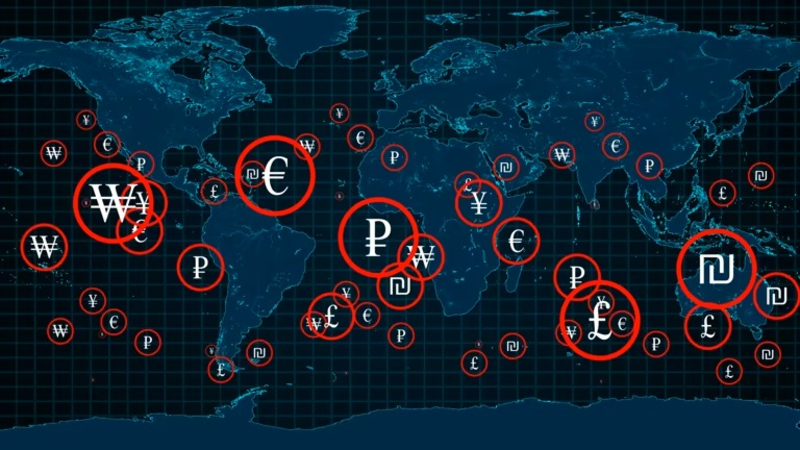
The result is a fragmented global FX landscape where currencies trade on structural inflation dynamics rather than short term data surprises. The disinflation map of 2025 makes this clear.
Why Goods Disinflation Was the Easy Part
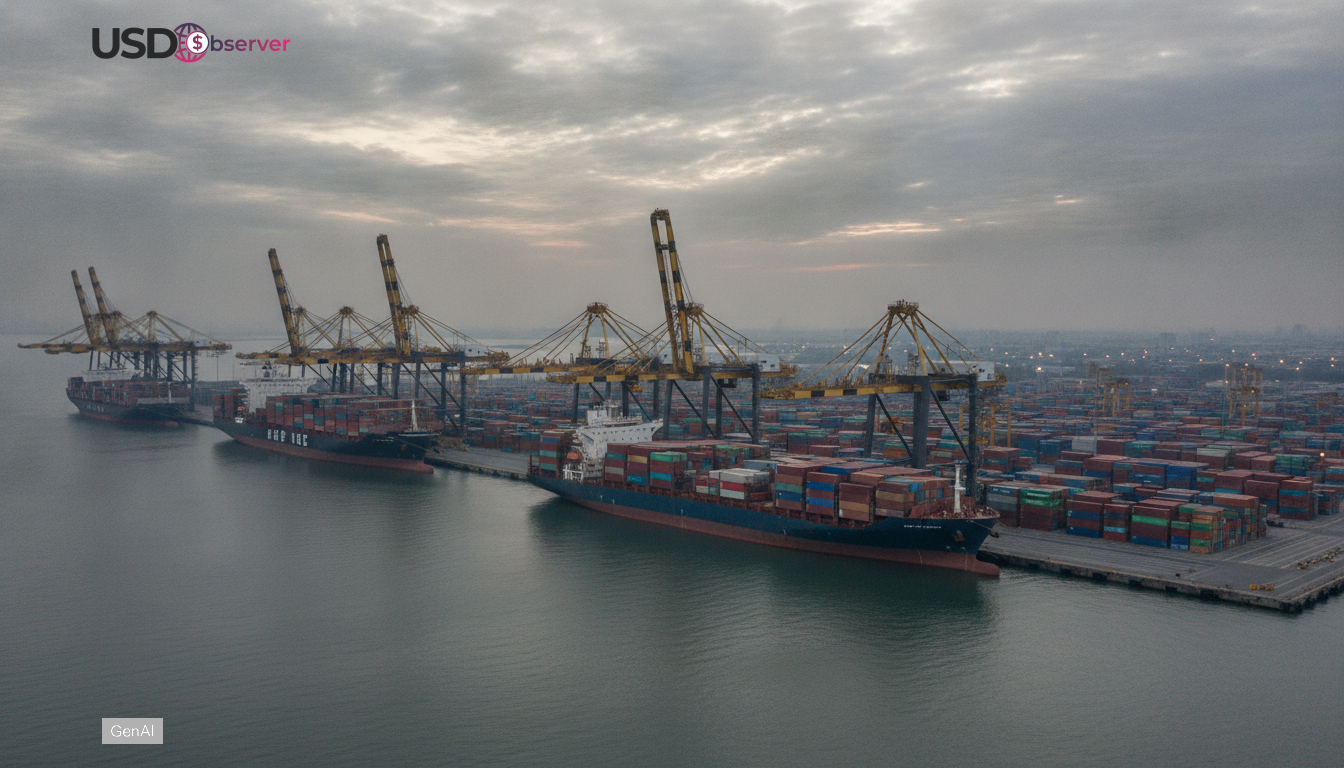
Goods inflation fell relatively quickly as supply chains normalized and demand patterns stabilized. Shipping costs declined, inventories improved, and pricing power weakened in many manufactured sectors. These forces worked across borders, producing similar outcomes in advanced and emerging economies alike.
For currencies, this phase mattered less than many expected. Goods disinflation reduced headline inflation, but it did not automatically translate into aggressive rate cuts. Central banks recognized that goods prices are volatile and often reverse. As a result, they treated this improvement cautiously.
Markets initially expected faster policy easing once goods inflation cooled. When that did not materialize, currencies adjusted. Those tied to expectations of rapid cuts weakened, while those backed by more cautious policy frameworks held up better.
Services Inflation and Domestic Cost Pressures
Services inflation proved far more resistant because it is tied to domestic labor markets, wages, and rent dynamics. These components adjust slowly and are influenced by structural factors such as demographics and productivity. In many economies, labor markets remained tight even as growth slowed.
This stickiness forced central banks to maintain restrictive stances longer than markets initially priced. Wage growth moderated but did not collapse. Rent inflation eased only gradually. As a result, services prices continued to rise at rates inconsistent with rapid policy normalization.
Currency markets responded by rewarding regimes that acknowledged this persistence. Currencies linked to central banks that emphasized services inflation over headline improvements tended to stabilize. Those associated with premature easing expectations faced pressure as markets repriced.
How Services Stickiness Defines Currency Regimes
A currency regime is shaped by how policy reacts to inflation dynamics. In 2025, regimes diverged based on tolerance for services driven inflation. Some central banks prioritized growth risks and signaled flexibility. Others focused on anchoring expectations, even at the cost of slower activity.
This divergence explains why currency correlations weakened. Instead of moving together on global inflation news, currencies moved based on local services data and wage trends. The disinflation map became uneven, and FX pricing followed.
For investors, this required a shift in analysis. Global inflation charts were no longer sufficient. Understanding local cost structures became essential. Services inflation acted as a filter that determined whether disinflation translated into currency relief or continued restraint.
Implications for FX and Policy in 2026
Looking ahead, services inflation will remain a key determinant of currency behavior. Even if headline inflation continues to decline, central banks are unlikely to ease decisively until services pressures show clearer signs of normalization. This keeps rate differentials relevant and FX markets sensitive to labor data and domestic demand signals.
In practical terms, this means volatility may remain contained but persistent trends can still develop. Currencies backed by credible inflation control frameworks may continue to outperform, while those exposed to entrenched services inflation may face ongoing adjustment.
Market participants should focus on indicators such as wage growth, services PMIs, and rental trends. These inputs increasingly matter more than energy prices or goods indices for currency direction.
The disinflation map also suggests that policy synchronization is unlikely. Central banks will move at different speeds, reinforcing a multi speed FX environment rather than a single global cycle.
Conclusion
Disinflation in 2025 reshaped inflation profiles but did not simplify currency markets. Goods prices cooled, yet sticky services inflation continues to anchor policy and define currency regimes. As 2026 approaches, understanding where services pressures persist will remain central to navigating global FX dynamics and policy driven currency trends.