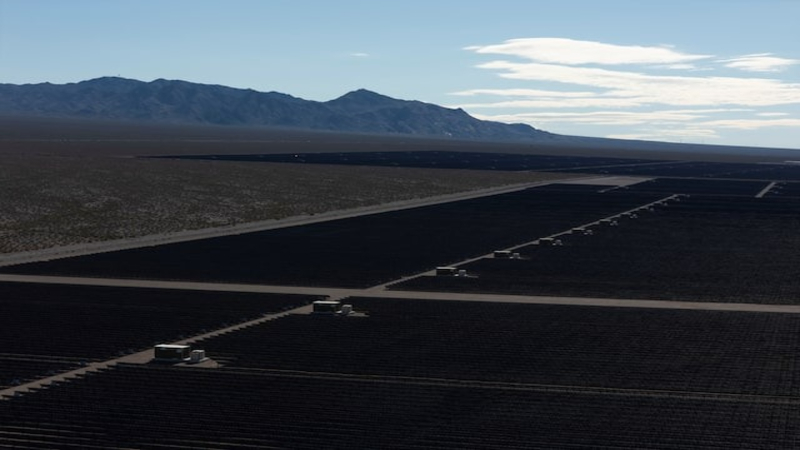
Global efforts to shift toward cleaner energy sources delivered mixed results in 2025, underscoring both progress and persistent structural challenges as the year draws to a close. Several countries recorded historic levels of renewable power generation, supported by rapid deployment of solar capacity and expanded battery storage systems. Electric vehicle adoption continued to rise in major markets, reinforcing long term demand for electrification technologies. At the same time, policy reversals and uneven weather conditions disrupted momentum in parts of the clean energy sector. Rising geopolitical tensions and shifting trade policies also added volatility to energy markets, influencing investment decisions and supply chains. While some regions advanced steadily toward lower emissions, others experienced setbacks that highlighted the difficulty of sustaining transition goals amid economic and political pressures.
China remained a central driver of clean energy growth, expanding solar, wind, nuclear, and battery capacity while increasing exports of clean technology equipment. Clean power accounted for a growing share of electricity generation, reflecting sustained investment and industrial scale. In contrast, progress in the United States slowed after policy changes under the administration of Donald Trump reduced federal support for renewables. Higher natural gas prices led utilities to rely more heavily on coal, pushing power sector emissions higher despite gains in battery storage installations. The divergence between regions highlighted how policy frameworks and fuel costs can quickly reshape energy outcomes, even as underlying technology adoption continues.
Looking ahead, the global energy transition faces a complex path shaped by competing forces. Battery storage growth is improving grid flexibility, and solar power is reaching record penetration levels across a widening range of countries. These developments suggest underlying momentum remains intact despite near term setbacks. However, rising fossil fuel use in some markets and continued dependence on coal and gas point to ongoing emissions risks. As new capacity comes online and policy priorities evolve, 2026 is likely to test whether recent clean energy gains can offset structural reliance on traditional fuels. The balance between investment continuity and policy stability will play a decisive role in determining the pace of transition.