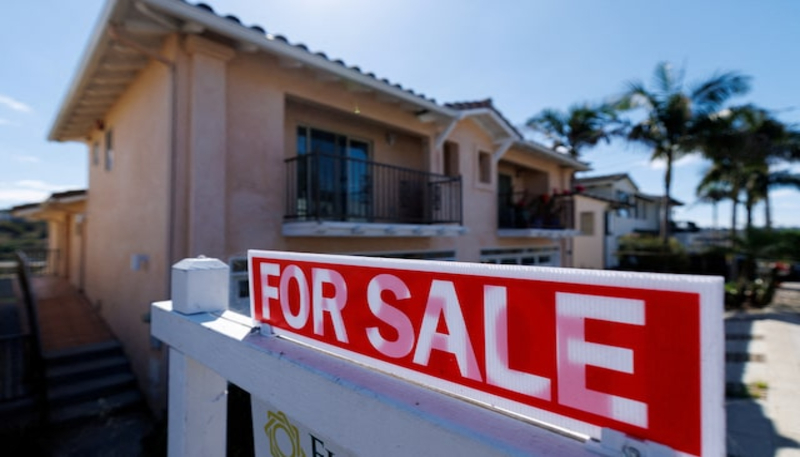
U.S. home price growth slowed further in October, marking the weakest annual increase in more than a decade and signaling a gradual cooling in the housing market after years of elevated price pressure. Government data showed prices rose just 1.7 percent from a year earlier, extending a trend of deceleration that has been underway throughout 2025. The slowdown reflects the combined impact of higher borrowing costs, softer demand, and affordability constraints that have limited buyer activity across much of the country. While prices continue to rise modestly, the pace is far removed from the rapid appreciation seen during the pandemic era, when housing demand surged amid remote work shifts and historically low interest rates. Market participants increasingly view the latest data as evidence that price stabilization is taking hold rather than signaling renewed weakness.
Regional data highlighted growing divergence within the national housing landscape, underscoring uneven economic conditions across states. Annual price changes ranged from outright declines in parts of the lower Midwest to stronger gains in the Mid Atlantic, where demand has remained comparatively resilient. These differences suggest local supply dynamics and employment trends are playing a larger role in shaping price movements than national monetary conditions alone. Areas that experienced the sharpest pandemic era run ups appear to be adjusting more gradually, while markets with more balanced inventory levels are seeing faster normalization. The data also points to cooling speculative activity, as price growth increasingly aligns with income growth and long term demographic demand rather than short term momentum.
Monthly price data offered additional signs of stabilization, with prices rising modestly in October following a small decline in September. This pattern suggests the housing market may be transitioning toward a slower and more sustainable trajectory rather than entering a sharp downturn. For policymakers and investors, the easing pace of price growth could help reduce broader inflation pressures linked to housing costs, which remain a key component of consumer spending. While affordability challenges persist, particularly for first time buyers, the slowdown may provide gradual relief as supply conditions improve. Overall, the October data reinforces the view that the housing market is cooling in an orderly manner, reshaping expectations for price behavior into 2026.