America’s primary consumer protection agency is facing an uncertain future as funding constraints push it toward a potential shutdown, raising questions about how financial oversight will function in the years ahead. The Consumer Financial Protection Bureau, established after the global financial crisis to safeguard households from abusive financial practices, is projected to exhaust its funding by early 2026. The situation has intensified under the second administration of Donald Trump, which has argued that the agency oversteps its authority and imposes unnecessary burdens on financial institutions. The administration has taken steps to reduce staffing levels and limit enforcement activity, leaving many consumer advocates concerned that oversight capacity is eroding at a time when household debt pressures remain elevated across credit cards, student loans, and mortgages.
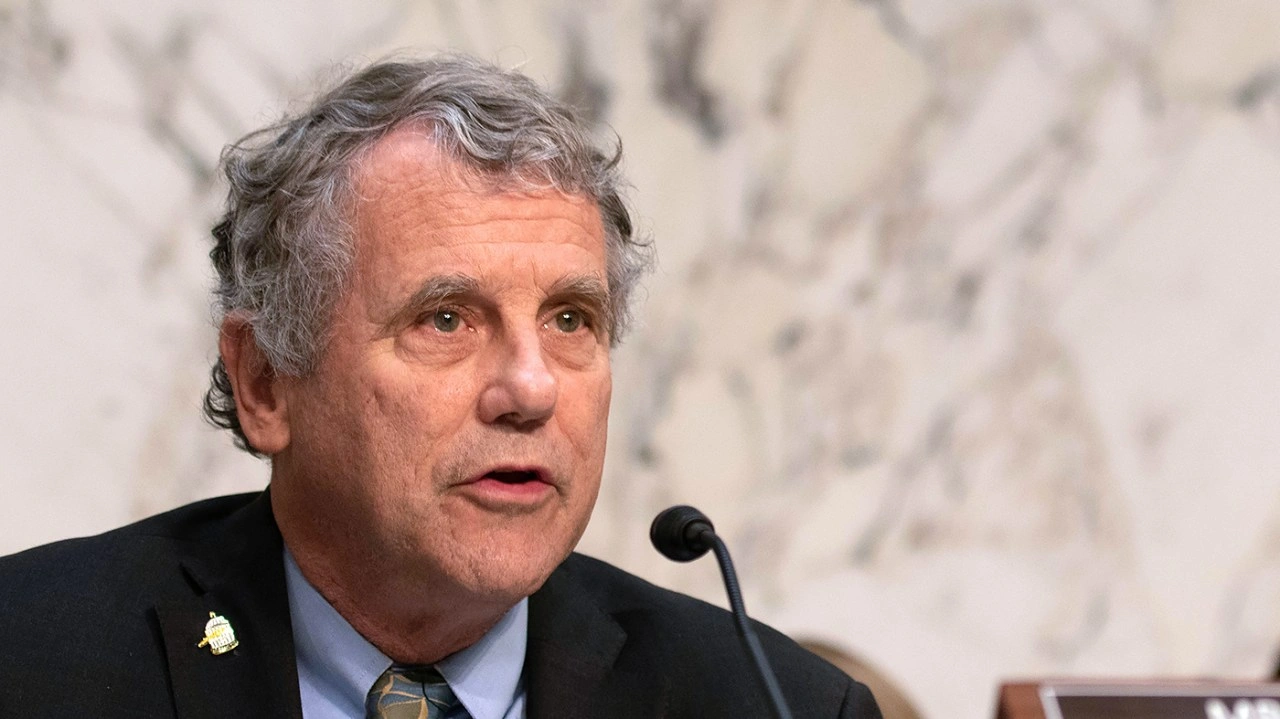
Supporters of the agency argue that its absence would leave consumers exposed to fragmented oversight and weaker enforcement mechanisms. Since its creation in 2010, the CFPB has handled millions of consumer complaints and returned billions of dollars to households through enforcement actions and settlements. Lawmakers including Elizabeth Warren have defended the bureau as a necessary counterbalance to complex financial markets that often disadvantage individuals lacking legal or financial expertise. Critics, however, contend that existing federal and state regulators already provide adequate oversight and that the CFPB’s funding structure lacks sufficient congressional control. Legal challenges and legislative actions have steadily narrowed the agency’s authority, undoing several rules related to fees, lending practices, and debt collection standards.
The funding impasse reflects broader political divisions over the role of regulation in the financial system, with long term implications for consumers and markets alike. As enforcement activity slows and supervision is scaled back, financial firms face fewer immediate constraints, while consumers may encounter greater difficulty resolving disputes related to credit reporting, fraud, or lending practices. Analysts note that dismantling a centralized watchdog could increase reliance on courts and state regulators, potentially leading to inconsistent outcomes across jurisdictions. With no clear resolution in sight, the future of the CFPB remains uncertain, highlighting a shifting regulatory landscape that may redefine how consumer financial protection is enforced in the United States.