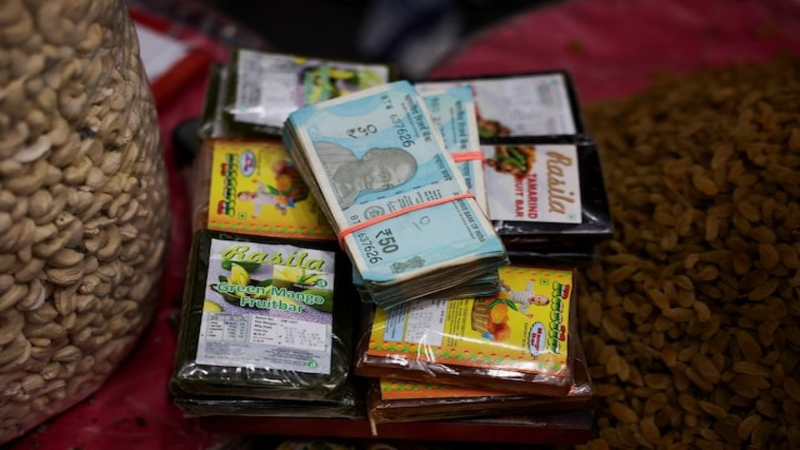
The Indian rupee traded sideways in thin year end conditions, reflecting a balance between routine corporate dollar demand and intermittent intervention from state run banks. With several global markets closed for the holidays, liquidity remained limited, muting directional conviction and keeping the currency pinned in a narrow range. Traders noted that importer demand for dollars continued to surface at regular intervals, while public sector banks stepped in sporadically to smooth volatility rather than signal a clear policy stance. The lack of follow through mirrored broader Asian currency behavior, where subdued volumes amplified caution. Despite a softer global dollar backdrop, the rupee failed to gain traction, underscoring how domestic flow dynamics continue to dominate price action in the near term.
Divergence across Asian currencies was evident, with China’s yuan drawing comparatively stronger support as exporters repatriated earnings and local banks absorbed dollar supply. That contrast has become more pronounced over the year, with the yuan outperforming the rupee on a relative basis as policy priorities and trade dynamics diverge. Analysts continue to view external trade developments as critical for India’s currency outlook, particularly as negotiations and export competitiveness shape medium term flows. In the absence of a clear catalyst, the rupee’s performance has lagged peers that benefit from more consistent inflows. This divergence highlights how currency outcomes across Asia are increasingly being driven by country specific policy alignment rather than regional dollar trends alone.
Forward markets signaled a further easing of hedging costs, with dollar rupee premiums drifting lower as demand softened. The decline in forward implied yields reflected both reduced near term funding pressure and expectations that domestic liquidity conditions will remain manageable into early 2026. Short dated premiums eased after earlier volatility, suggesting that corporates are adjusting hedging activity rather than aggressively repositioning. The movement in forwards also echoed broader caution, as traders avoided extending duration amid thin liquidity. These dynamics point to a market more focused on managing carry and cash flow than expressing directional currency views at year end.
Across the region, currencies remained largely range bound as the dollar hovered near recent lows. Expectations for U.S. rate cuts next year have weighed on the greenback, but the impact has been uneven across emerging markets. Investors are increasingly sensitive to domestic fundamentals and policy clarity as global conditions normalize. With attention shifting toward 2026, the rupee appears set to remain guided by flows and official smoothing rather than strong speculative pressure. Once full liquidity returns, markets will reassess whether India can attract sustained inflows or whether relative underperformance against regional peers persists.