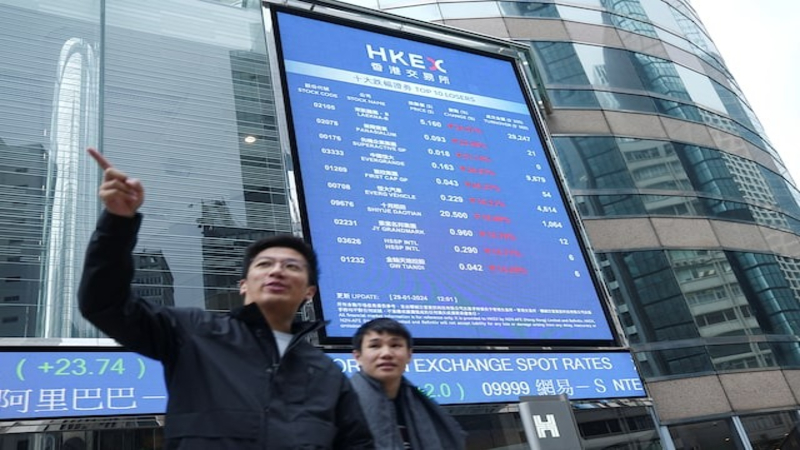
Asian equity markets pushed higher toward year end, extending a regional rally that lifted benchmark indexes to multi week highs despite thin holiday liquidity. Investors showed renewed appetite for risk as they positioned for a constructive close to the year, with gains led by Japan and South Korea while Chinese shares also edged higher. The move reflected confidence that regional growth has stabilized enough to absorb lingering global headwinds, even as participation remained uneven due to market closures. Broader Asia Pacific equities tracked higher in tandem, reinforcing a risk on tone that has gradually returned in recent sessions. While volumes were light, price action suggested investors were willing to maintain exposure rather than pare positions, encouraged by resilient domestic data and a calmer global backdrop heading into the final trading days of the year.
Beyond equities, precious metals continued to dominate market attention, with gold and silver extending record breaking rallies. The surge has been underpinned by sustained central bank buying, strong inflows into metal backed investment products, and growing unease over currency stability and rising global debt. Silver’s outsized gains have highlighted supply constraints and speculative momentum, while gold’s advance has reinforced its role as a hedge against monetary uncertainty. Other precious metals have followed higher, adding to the sense that investors are seeking protection alongside selective risk exposure. The strength across metals markets has contrasted with more measured moves in equities, signaling that defensive positioning remains embedded even as stock indexes climb.
Currency markets reflected a cautious reassessment of U.S. policy expectations, with the dollar remaining under pressure against major peers. Investors have increasingly focused on the timing and scale of potential interest rate cuts next year, a debate that has weighed on the greenback and supported rival currencies. The dollar’s softness has added fuel to commodity strength and helped ease financial conditions abroad. At the same time, attention has turned to leadership changes at the Federal Reserve, with markets sensitive to any signal that could shift the policy outlook. This uncertainty has kept currency trading range bound but biased against the dollar as the year closes.
In Japan, the yen has edged away from its weakest levels but remains fragile, with traders alert to the risk of official intervention during thin trading conditions. Despite a recent rate hike, the currency has struggled to find sustained support as investors question the pace of further tightening. Official warnings have helped stabilize moves, but confidence remains tentative. Bond markets have shown modest relief as expectations for restrained debt issuance eased yield pressures. Taken together, the cross market moves underscore a year end environment defined by selective risk taking, strong demand for real assets, and ongoing sensitivity to policy signals across regions.