Silver’s surge above the $75 per ounce threshold has pushed the metal firmly back into the spotlight, prompting renewed attention not only on price momentum but on the mechanics of how exposure is built across markets. The rally has been fueled by a mix of industrial demand, persistent supply shortfalls, and growing investor interest after silver was designated a U.S. critical mineral. With prices up sharply this year, participation has expanded beyond traditional commodity desks to a broader pool of financial investors seeking both inflation protection and upside leverage. Unlike equities, silver trades across a fragmented ecosystem that links physical metal, derivatives, and financial instruments, allowing capital to enter through multiple channels. This structure has amplified price sensitivity during periods of strong demand, particularly as thin liquidity and momentum driven flows reinforce short term moves.
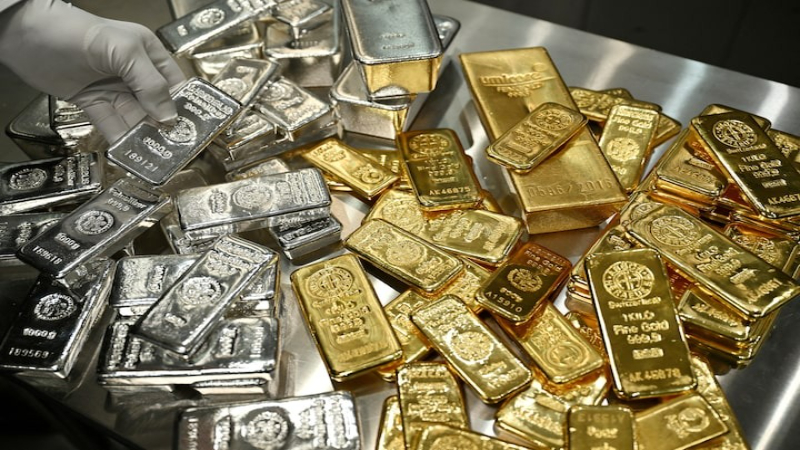
The largest pool of physical silver trading takes place in the over the counter market, centered in London, where major banks and brokers transact directly with institutional clients. These bilateral trades are underpinned by large bullion bars stored in bank operated vaults, forming the backbone of the global physical market. Access typically requires established relationships with financial institutions, making this segment less visible to retail investors but highly influential in price discovery. Futures markets provide a more accessible avenue for speculation and hedging, with contracts traded on major exchanges allowing participants to gain exposure without taking delivery. Most futures positions are rolled forward, enabling leveraged bets on price movements while keeping physical inventories largely stationary.
Exchange traded funds have become a key bridge between physical silver and equity style investing, particularly for smaller investors. These funds trade like shares on stock exchanges while holding physical silver in vaults, allowing investors to gain direct price exposure without handling metal. When demand for ETF shares rises, additional silver is moved into storage to maintain alignment with the underlying price, reinforcing the link between financial flows and physical supply. Alongside ETFs, shares of silver mining companies offer indirect exposure, though their performance is influenced by operational and financial factors beyond metal prices. Physical bars and coins remain popular with long term holders, especially during periods of heightened uncertainty, reflecting silver’s dual role as both an industrial input and a store of value.
Together, these trading channels illustrate why silver’s price can respond so sharply when macro conditions align. Financial demand can move quickly through futures and ETFs, while constraints in physical supply limit the market’s ability to absorb sustained inflows smoothly. As silver’s role expands within portfolios, understanding how these layers interact has become increasingly important. The current rally underscores how shifts in policy expectations, industrial usage, and investor behavior can converge within a complex trading ecosystem, turning silver from a niche asset into a focal point of broader market attention.