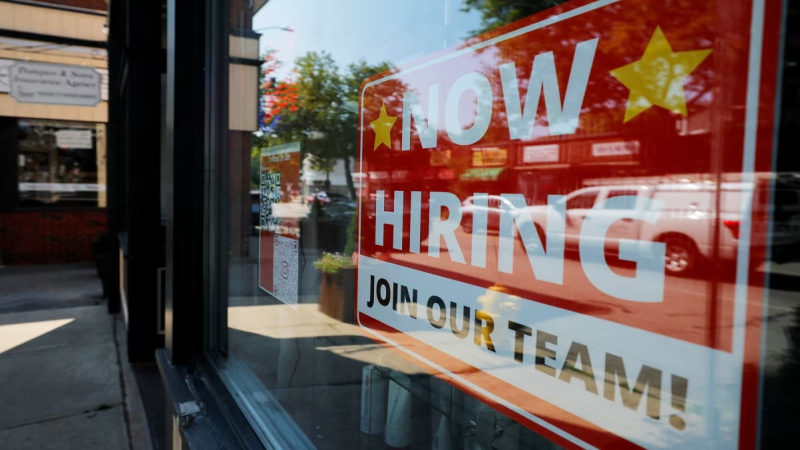
New filings for U.S. unemployment benefits declined for a second consecutive week, reinforcing evidence that layoffs remain limited even as hiring momentum stays subdued. The drop in initial claims points to continued employer reluctance to reduce payrolls, reflecting a labor market that remains stable but inactive. Seasonal factors likely played a role in the data, yet the broader signal remains consistent with recent trends showing limited churn. Employers appear focused on maintaining existing workforces rather than expanding headcount, supporting moderate economic activity while preventing sharper labor market deterioration. The figures suggest that downside risks remain contained, though they offer little indication of renewed employment acceleration as the year draws to a close.
At the same time, the number of individuals continuing to collect unemployment benefits increased, highlighting ongoing challenges for job seekers attempting to reenter the workforce. Continued claims are widely viewed as a proxy for hiring conditions, and their elevated level suggests that displaced workers are facing longer job searches. This dynamic reflects what policymakers have described as a no hire, no fire environment, where labor demand and supply are both constrained. While the broader economy has shown resilience, labor mobility has slowed markedly, limiting income growth potential and reinforcing a cautious outlook for consumer spending as wage gains moderate.
Economic growth has remained firm, supported by consumer activity and trade, yet labor market momentum has not kept pace with headline expansion. Structural factors such as trade policy uncertainty and labor supply adjustments have weighed on hiring decisions, contributing to the current stall. Consumer sentiment data has mirrored these conditions, with households expressing increased concern about job availability. Although unemployment levels have risen in recent months, part of the increase reflects technical distortions rather than a surge in layoffs. Nonetheless, the combination of slower hiring and elevated continued claims underscores an economy transitioning away from post pandemic labor tightness.
For policymakers, the data reinforces the case for patience. Monetary authorities have eased borrowing costs but signaled reluctance to move aggressively without clearer evidence of labor market direction and inflation progress. The latest claims figures are unlikely to alter near term policy expectations, as they point to stability rather than deterioration. Markets have largely absorbed the data without reaction, reflecting confidence that employment conditions are neither overheating nor collapsing. As attention turns toward early 2026 indicators, the labor market’s ability to regain hiring momentum will be a key determinant of broader economic and policy trajectories.