Gold prices remained close to the $4,500 per ounce level as investor demand continued to expand across multiple channels, reflecting a combination of macro uncertainty and shifting portfolio preferences. The metal has delivered one of its strongest annual performances in decades, supported by expectations of looser US monetary policy and persistent geopolitical risks. Investors have increasingly viewed gold as a hedge against currency volatility and financial instability, reinforcing its role during periods of policy transition. Physical market activity has remained concentrated in established hubs such as London, Asia, and the Middle East, where pricing reflects real-time supply and demand dynamics among banks, institutions, and large buyers. The sustained rally suggests that recent price strength is not driven by short-term speculation alone but by a broad reassessment of gold’s role within diversified portfolios as interest rate expectations evolve and confidence in fiat currencies fluctuates.
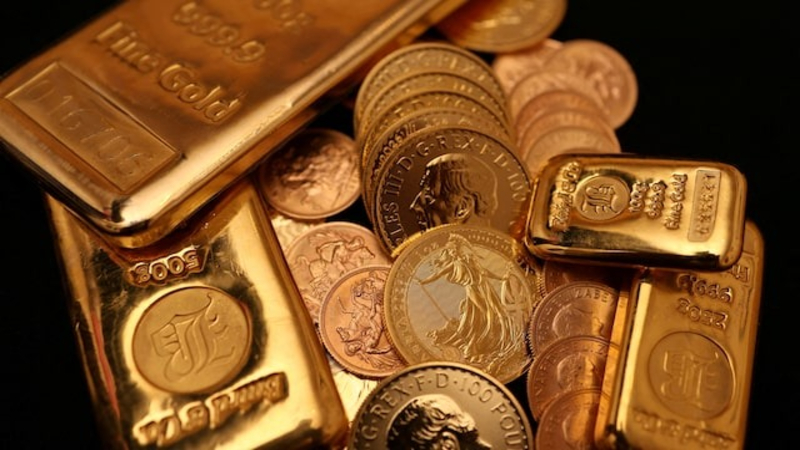
Beyond the physical market, futures and exchange-traded products have played a growing role in shaping gold price behavior. Futures markets provide leveraged exposure and liquidity, allowing investors to express directional views without taking delivery of metal. Exchange-traded products backed by physical gold have seen strong inflows, offering accessibility and transparency to both institutional and retail participants. These vehicles have become a central source of incremental demand, amplifying price moves during periods of heightened risk aversion. At the same time, retail interest in bars and coins has remained resilient, particularly in regions where gold serves both as an investment and a store of value. Together, these channels illustrate how gold demand is distributed across financial and physical formats, reinforcing the depth and resilience of the market even as prices approach historic highs.
Central bank activity has emerged as another key pillar supporting gold demand, reflecting strategic reserve management rather than short-term price considerations. Many monetary authorities have continued to increase gold holdings as part of efforts to diversify reserves and reduce exposure to currency risk. This trend has gained momentum amid global trade tensions, rising geopolitical uncertainty, and concerns over long-term fiscal sustainability in major economies. Lower interest rates have further enhanced gold’s appeal by reducing the opportunity cost of holding a non-yielding asset. As a result, gold demand has remained strong even at elevated prices, underscoring its dual role as both a financial asset and a strategic reserve instrument. The combination of investor inflows, central bank buying, and policy-driven uncertainty continues to anchor gold’s position near record levels.