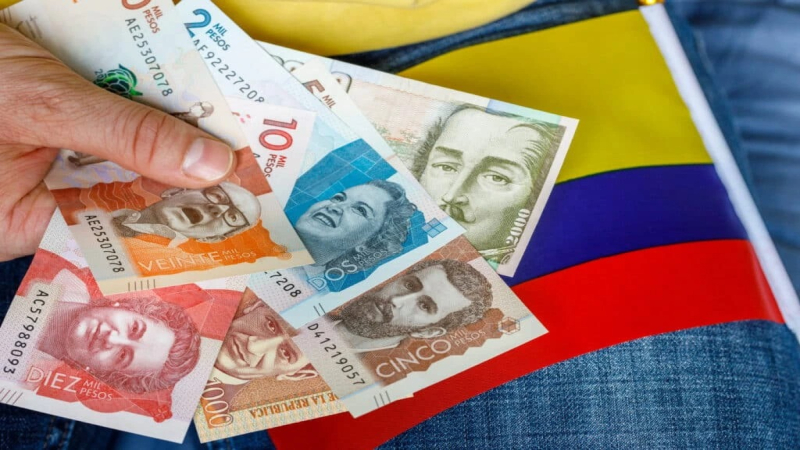
Latin American currencies advanced on Friday, led by a strong rally in the Colombian peso as investors positioned ahead of the central bank’s final policy meeting of the year. The peso rose nearly one percent against the dollar, outperforming regional peers as markets increasingly expect policymakers to keep interest rates unchanged. Elevated domestic borrowing costs have supported the currency’s appeal, particularly as the dollar showed signs of softening and global investors searched for higher yielding opportunities. The move came despite a volatile backdrop for regional assets, which have been shaped by shifting expectations around global monetary policy and domestic political developments. Colombian equities edged higher, though they remained on course for a weak weekly performance, highlighting a cautious tone among investors who are balancing near term currency strength against broader economic and fiscal challenges.
Across the region, sentiment remained mixed as geopolitics and policy signals competed for attention. Tensions involving the United States and Venezuela continued to loom over markets, with the risk of escalation seen as a potential source of volatility for energy sensitive economies. Brazil and Mexico have urged restraint, though their diplomatic stance has added another layer of uncertainty for investors assessing regional stability. Regional currency and equity benchmarks posted modest gains, capping a week marked by sharp swings driven by central bank decisions and local political headlines. Investors appeared selective, favoring markets where interest rate differentials and macro fundamentals offered clearer support, while remaining cautious toward assets exposed to policy uncertainty or external shocks.
In Brazil, the real strengthened modestly as investors weighed political developments against central bank messaging. President Luiz Inacio Lula da Silva hinted that borrowing costs could eventually fall, but monetary authorities reiterated a data dependent approach, underscoring the tension between political expectations and policy discipline. Brazilian equities advanced after stronger than expected foreign investment data, though the currency remained under pressure on a weekly basis. Elsewhere, Argentine assets showed resilience following encouraging trade and labor data, while Chilean stocks jumped as copper prices surged toward record levels, reinforcing the country’s export outlook. Mexico’s peso and equity market were largely steady after a modest rate cut earlier in the week. Overall, the session reflected cautious optimism across Latin America, with currency gains driven by yield considerations even as political risks and external tensions remained firmly in focus.