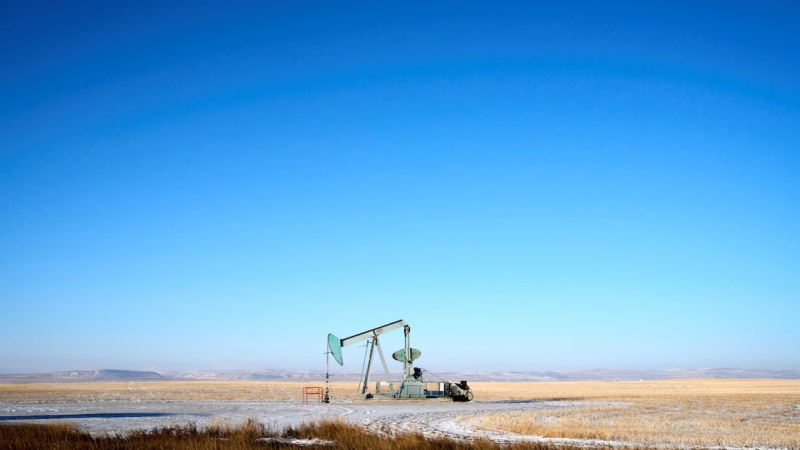
Oil prices moved higher on Friday as fresh geopolitical developments revived concerns over potential supply disruptions, even as markets remained cautious about the broader demand outlook. Crude benchmarks rose after the United States signaled tougher enforcement actions against Venezuelan oil shipments, raising uncertainty around flows from the South American producer. Brent crude traded above sixty dollars a barrel while U.S. benchmark prices also advanced, reflecting a modest recovery after two consecutive weeks of declines. Despite the daily gains, both contracts remained on track for weekly losses, highlighting persistent pressure from slowing global growth expectations. Traders continued to balance near term geopolitical risks against longer term concerns that high borrowing costs and uneven economic momentum could weigh on fuel consumption into the new year.
Tensions surrounding Eastern Europe added another layer of complexity to market sentiment. Developments linked to the Russia Ukraine conflict kept traders alert, particularly after reports of a Ukrainian strike on a Russian oil tanker operating within so called shadow shipping networks. The incident underscored the vulnerability of energy logistics tied to the conflict and reinforced uncertainty around future export routes. At the same time, diplomatic signals pointing toward possible negotiations failed to provide clarity, as no concrete progress toward de escalation emerged. European decisions to expand financial support for Ukraine also suggested that the conflict could remain prolonged, keeping geopolitical risk premiums embedded in oil markets even as prices struggle to regain stronger upward momentum.
Supply signals from the United States and Venezuela further shaped price action. Venezuela accounts for roughly one percent of global oil production, and uncertainty over how Washington might restrict tanker movements limited confidence in uninterrupted exports. Meanwhile, U.S. shale indicators pointed to potential softness ahead, with drilling activity in the Permian Basin falling to its lowest level in more than three years. A lower rig count often signals slower future output growth, which could tighten supply conditions if demand stabilizes. Central bank messaging also remained in focus, as policymakers in major economies hinted at possible shifts in interest rate policy that could influence economic activity and energy demand. Together, these factors kept oil prices supported, though conviction remained restrained amid competing macroeconomic forces.