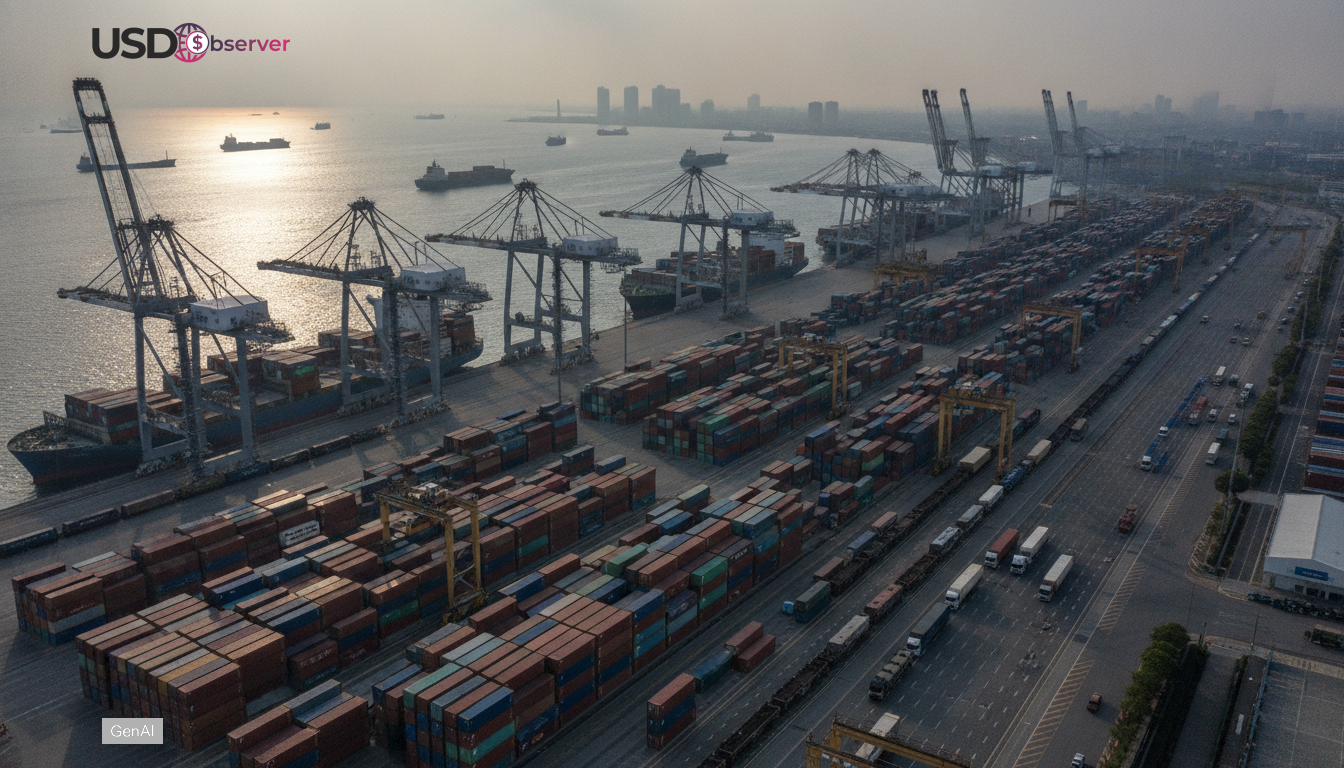
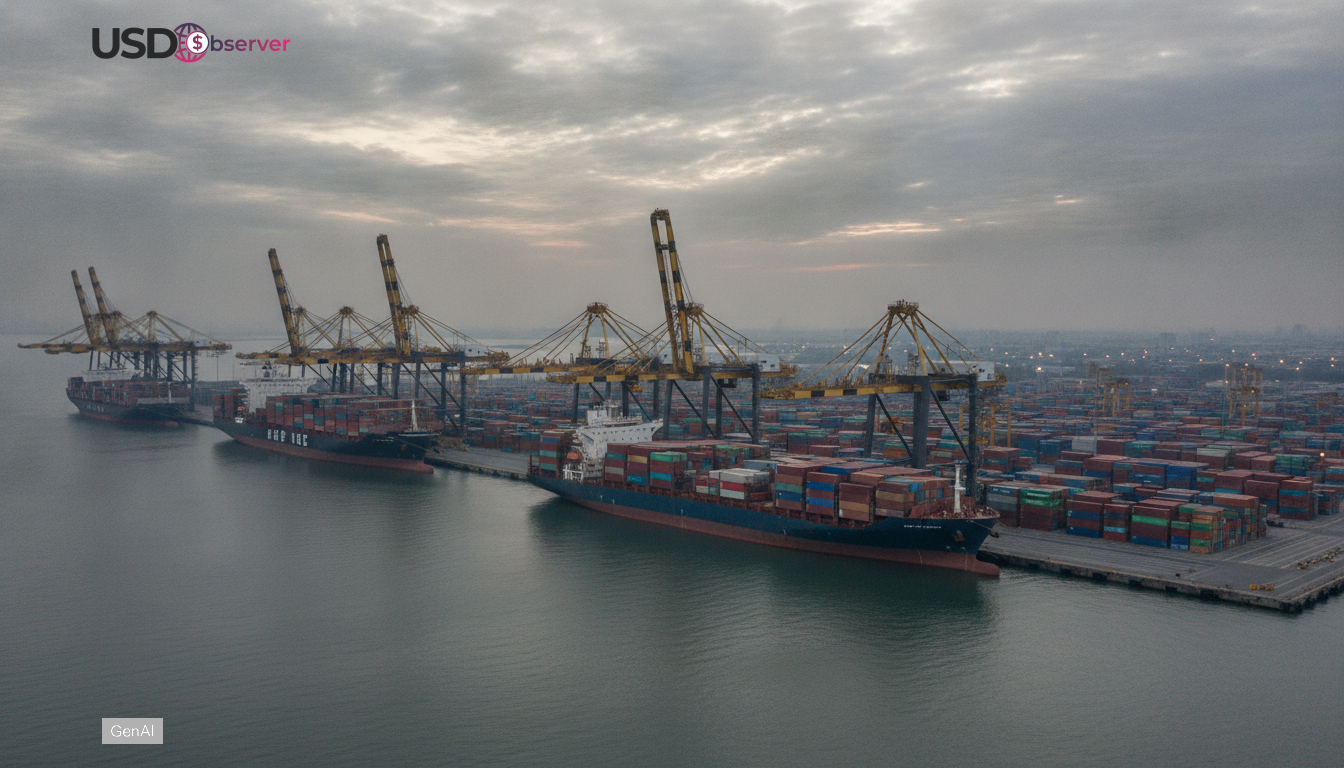
Real world asset tokenization has moved beyond theory and pilot projects. From commodities to collectibles and financial claims, assets that once lived entirely offline are now being represented digitally. This spread reflects growing comfort with tokenized ownership and the promise of broader access. Yet as adoption accelerates, a fundamental challenge is becoming harder to ignore.
Liquidity, not technology, is emerging as the primary bottleneck. Tokenization can create digital representations of value, but it cannot automatically create buyers, sellers, or deep markets. As more assets are tokenized, the gap between issuance and tradability is becoming clearer, forcing markets to confront what sustainable adoption really requires.
Tokenization Is Solving Access Not Liquidity
The most important misconception about RWA tokenization is that it inherently improves liquidity. In reality, tokenization primarily improves access and divisibility. It allows assets to be owned, transferred, and recorded more efficiently, but it does not guarantee active markets.
Many tokenized assets still trade infrequently. Ownership may be easier to track, but finding counterparties remains difficult. Without consistent participation, price discovery remains weak.
This distinction matters for investors. Access without liquidity can trap capital, limiting the usefulness of tokenized assets as portfolio components.
Why Liquidity Is Harder Than Digitization
Liquidity depends on confidence, scale, and incentives. Markets need participants willing to trade regularly, market makers prepared to provide depth, and pricing frameworks that inspire trust. Tokenization alone does not solve these requirements.
In traditional markets, liquidity builds over time through regulation, standardization, and institutional participation. Tokenized markets are still early in that process. Many assets lack common standards or sufficient scale to attract sustained trading interest.
As a result, tokenized RWAs often resemble private markets more than public ones. They offer exposure, but not immediacy.
Fragmentation Is Limiting Market Depth
Another challenge is fragmentation. Tokenized assets often trade on isolated platforms with limited interoperability. This splits liquidity across venues and reduces depth on any single one.
Fragmentation also complicates valuation. When assets trade sporadically across multiple systems, pricing becomes opaque. Investors hesitate to commit capital when exit paths are unclear.
Until platforms connect and standards align, fragmentation will continue to cap liquidity regardless of token issuance growth.
Why Institutions Are Cautious
Institutional investors have shown interest in RWA tokenization, but adoption remains measured. Liquidity risk is a primary concern. Institutions require predictable entry and exit, especially when managing large allocations.
Without robust secondary markets, tokenized assets struggle to meet these requirements. Institutions may experiment with small exposures, but scale remains elusive.
This caution reinforces the bottleneck. Without institutional participation, liquidity struggles to deepen. Without liquidity, institutions remain cautious.
The Role of Market Structure and Incentives
Solving the liquidity problem requires market structure, not just innovation. Incentives for market makers, clearer regulatory frameworks, and integration with traditional finance are essential.
Tokenized assets that mirror familiar structures tend to perform better. When RWAs align with known legal rights, custody practices, and settlement norms, participation increases.
Liquidity follows trust and clarity. Tokenization must be paired with both to succeed.
What This Means for the Future of RWA Tokenization
The spread of tokenization is real and likely to continue. More assets will move on chain, and use cases will expand. However, expectations must be realistic.
Near term growth will favor assets with natural liquidity or institutional backing. Illiquid or niche assets may struggle despite successful token issuance.
Over time, market infrastructure may mature enough to support broader liquidity. Until then, tokenization will unlock access faster than it unlocks trading.
Conclusion
RWA tokenization is spreading, but liquidity remains the real bottleneck. Digital representation improves access and efficiency, yet deep and reliable markets require more than technology. Until liquidity infrastructure catches up, tokenized real world assets will grow cautiously, shaped as much by market structure as by innovation.