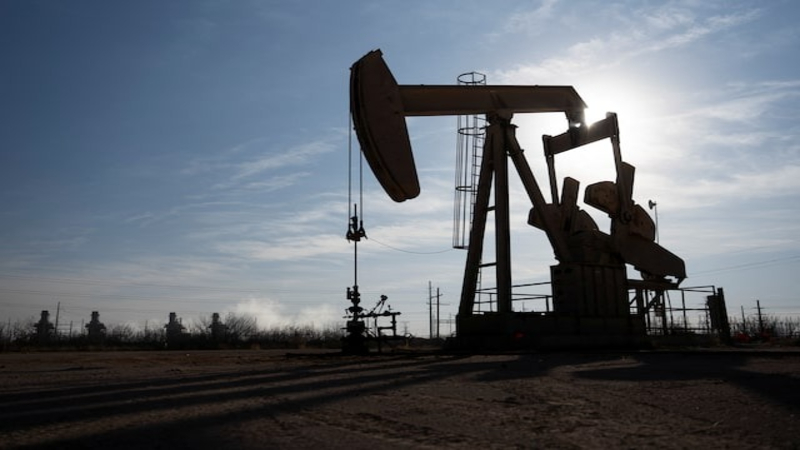
Oil markets traded with a cautious upward bias as investors assessed rising geopolitical risks that could tighten global supply without immediately disrupting flows. Prices edged higher as attention centered on the possibility of additional US sanctions on Russian energy exports and uncertainty surrounding enforcement of restrictions on Venezuelan oil shipments. While neither risk has yet translated into a material supply shock, markets are increasingly sensitive to developments that could constrain output in an already finely balanced environment. For macro watchers, oil’s stability near recent levels reflects a market weighing downside growth risks against geopolitical constraints, with energy prices continuing to act as an important signal for inflation expectations and broader financial conditions.
Potential sanctions on Russia represent the more significant long term risk for crude supply. Russia remains a major exporter, and any escalation in restrictions tied to geopolitical developments could tighten global balances more meaningfully than regional disruptions. At the same time, US actions targeting Venezuelan tankers have introduced uncertainty around enforcement and logistics rather than outright production losses. While Venezuelan exports account for a relatively small share of global supply, disruptions could still affect specific trade routes and pricing dynamics, particularly for buyers in Asia. Markets have responded by pricing in a modest risk premium rather than a sharp repricing, reflecting skepticism over how aggressively new measures would be applied.
Supply considerations are also intersecting with price sensitive production dynamics elsewhere. Analysts have noted that sustained lower prices could begin to weigh on US shale output, potentially reducing future supply growth if current levels persist. This feedback loop between price and production remains central to medium term oil market stability. At present, prices appear to be hovering near levels that test producer discipline without forcing immediate cutbacks. For investors, this reinforces the view that oil is entering a phase where incremental policy or geopolitical developments can have outsized effects on sentiment, even if headline prices remain range bound.
From a broader macro perspective, oil’s response underscores its role as a bridge between geopolitics and inflation. Energy prices feed directly into headline inflation measures and influence rate expectations, particularly in dollar based markets. Steady prices amid rising risks suggest markets are not yet pricing a sustained supply shock, but are increasingly alert to tail risks. As long as enforcement questions remain unresolved and growth concerns persist, oil is likely to trade as a balancing asset rather than a directional bet. The current environment highlights how geopolitical uncertainty continues to shape energy markets without yet overwhelming underlying demand and supply fundamentals.