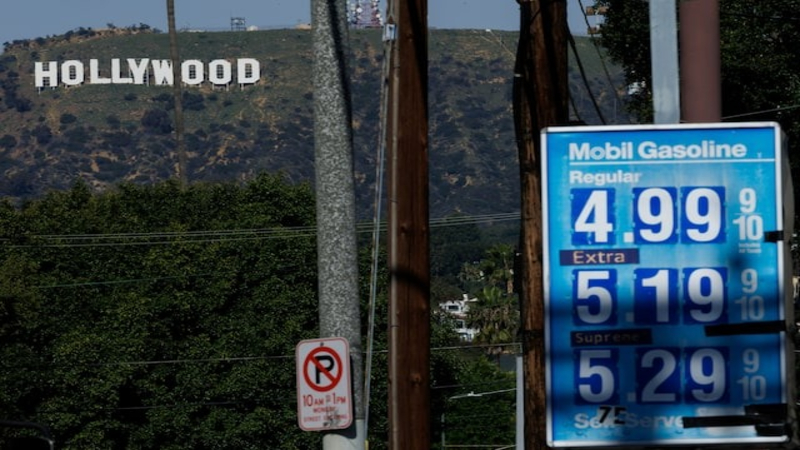
Recent claims that US energy costs have fallen sharply have drawn renewed market attention to how fuel and power prices are feeding into inflation dynamics rather than political messaging. While gasoline prices are lower than a year ago, national averages remain closer to three dollars per gallon, reflecting broader trends in global crude markets rather than domestic policy alone. Oil prices have been pressured by higher OPEC output and slowing global growth, factors that tend to lower fuel costs independently of short term government action. For markets, gasoline prices matter primarily as an input into headline inflation and consumer sentiment. The recent moderation has helped ease price pressures at the margin, but it has not fundamentally altered the inflation outlook shaping monetary policy expectations.
Electricity prices present a more challenging picture for inflation watchers. Despite rising generation capacity, power costs have continued to climb as demand surges from data centers and artificial intelligence infrastructure. Federal projections show generation growth reversing years of stagnation, yet not at a pace sufficient to offset rapidly expanding consumption. Much of the new capacity has come from renewable projects approved years earlier, even as current policy priorities shift toward fossil fuels and nuclear power. From a macro perspective, this imbalance suggests electricity prices are likely to remain a persistent source of inflation pressure, limiting the extent to which energy can act as a drag on overall price growth in the near term.
Coal has reemerged in policy discussions as part of a broader emphasis on domestic energy production, but labor and income data point to limited immediate impact. Employment in the coal sector has edged lower over the past year, while wage growth has remained modest. Although coal consumption is expected to rise in the short term due to higher power sector demand, forecasts already point to a decline as renewable generation continues to expand. For markets, coal trends are less about revival narratives and more about transitional dynamics within the energy mix. These shifts underscore how structural forces continue to shape energy costs regardless of near term policy direction.
For investors, the significance of energy pricing lies in its role as a transmission channel into inflation, rates, and dollar expectations. Lower fuel costs can soften headline inflation, but rising electricity prices and uneven sector dynamics complicate the disinflation story. As markets price the path of interest rates, energy remains a volatile component rather than a clear anchor. The gap between political claims and underlying price data reinforces the need to focus on fundamentals. Energy costs are influencing inflation outcomes, but they remain driven by global supply, demand, and structural transitions rather than decisive domestic price relief.