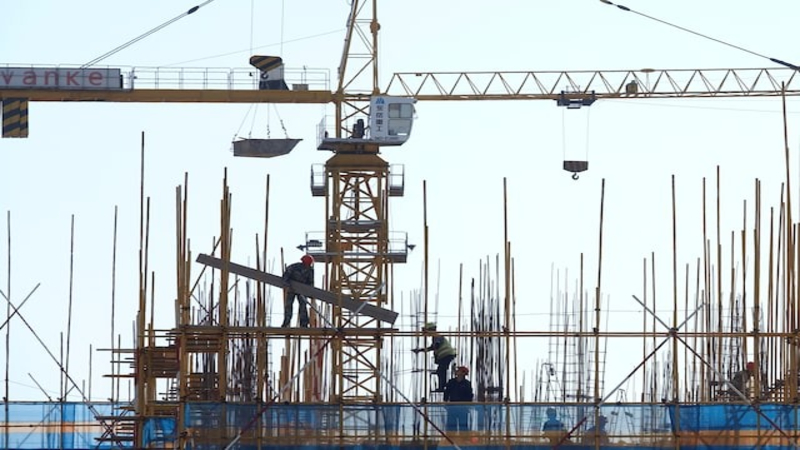
China’s property sector returned to focus as state backed developer Vanke opened a second round of negotiations with holders of a 2 billion yuan onshore bond, highlighting renewed stress in one of the country’s most systemically important industries. The company is seeking approval to delay principal repayment and extend grace periods after an earlier proposal failed, underscoring the fragile liquidity position facing even higher quality developers. For markets, Vanke’s situation carries broader significance because of its exposure to top tier cities, where housing demand had shown tentative signs of stabilization this year. A disruption at Vanke would risk undermining confidence in those markets and reinforce concerns that China’s property downturn remains unresolved despite targeted policy support.
The bond in question matured earlier this week, and failure to secure approval before the grace period expires could push the developer into default. Vanke is pursuing similar extensions on additional onshore debt due later this month, while also engaging banks and insurers to delay interest payments and roll over loans. These efforts reflect a wider strategy of liability management aimed at buying time rather than restoring cash flow. Ratings agencies have responded by downgrading the company’s credit rating sharply, signaling elevated default risk. While several private developers have already defaulted in recent years without triggering systemic fallout, Vanke’s status and scale raise the stakes for both domestic investors and policymakers.
The potential implications extend beyond China’s real estate sector into broader financial conditions. Property remains a key channel for household wealth, local government finances, and banking system exposure. Renewed stress at a major developer risks slowing capital flows into Chinese assets and reinforcing caution among foreign investors already sensitive to growth and policy uncertainty. From a global perspective, prolonged weakness in China’s property market has weighed on commodity demand, regional trade flows, and emerging market sentiment. Any escalation that pressures domestic credit conditions could further dampen China’s recovery and spill over into global risk appetite, particularly at a time when markets are recalibrating expectations around growth and liquidity.
For currency and reserve watchers, the situation underscores persistent structural challenges facing China’s economy. Ongoing debt restructurings highlight limits to policy transmission and raise questions about the sustainability of stabilization efforts. While authorities have sought to contain contagion through targeted support and state involvement, repeated negotiations signal that balance sheet repair remains incomplete. Markets are likely to monitor whether state owned shareholders step in to provide credit enhancement, as this would shape perceptions of implicit guarantees. In the absence of decisive resolution, China’s property sector continues to act as a drag on confidence, reinforcing defensive positioning and cautious capital allocation across Asia and global markets.