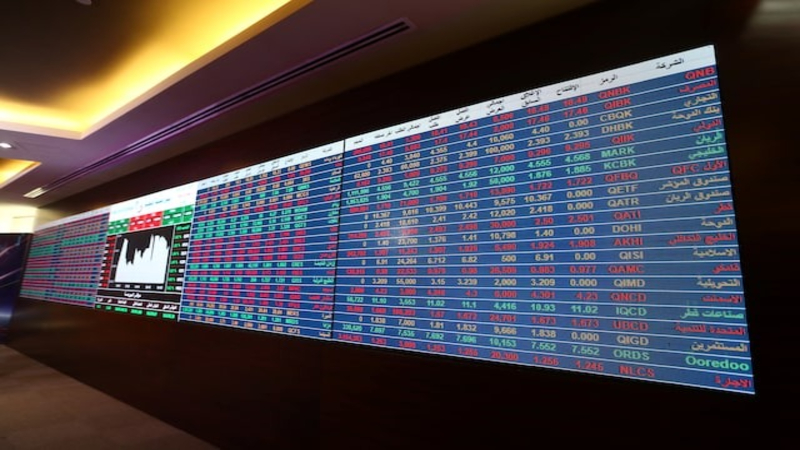
Gulf equity markets traded with a mixed tone as investors positioned cautiously ahead of key US inflation data, reinforcing the region’s close sensitivity to dollar driven policy expectations. With most Gulf currencies pegged to the US dollar, shifts in Federal Reserve outlooks tend to transmit quickly into regional asset pricing. Higher oil prices provided partial support, reflecting renewed supply risk tied to geopolitical developments and potential sanctions. However, the dominant influence remained uncertainty around US inflation trends and their implications for interest rates. For regional investors, US data carries outsized importance because it shapes global liquidity conditions and capital flows. As a result, trading activity reflected selective positioning rather than broad risk taking, with market participants weighing near term energy support against longer term monetary policy direction.
Abu Dhabi equities edged higher as gains in energy related and real estate linked names offset broader caution. Project announcements and sector specific developments helped support individual stocks, but overall momentum remained contained. In contrast, Qatari equities weakened as financial and industrial names came under pressure, underscoring how stock level fundamentals are interacting with macro uncertainty. Adjustments in crude pricing benchmarks also contributed to softer sentiment in Qatar, reinforcing the link between energy markets and fiscal expectations. Across the Gulf, investors appeared reluctant to extend exposure ahead of clarity on US inflation, reflecting a broader wait and see approach that has become common during periods of policy transition and volatile global growth signals.
Dubai and Saudi markets showed a similarly restrained pattern. Losses in select transportation and property names weighed on Dubai’s benchmark, even as investment in commercial infrastructure highlighted longer term confidence in regional growth. Saudi equities traded near flat, with declines in power generation stocks balanced by gains tied to industrial expansion projects. These mixed performances illustrate how regional markets are increasingly differentiating by sector while remaining anchored to external monetary signals. Despite strong domestic balance sheets, Gulf equities continue to respond closely to changes in global financial conditions, particularly when US rate expectations shift. This linkage reinforces the importance of dollar liquidity for markets operating under fixed exchange rate regimes.
Attention remains firmly focused on upcoming US inflation releases, which will shape expectations for Federal Reserve policy into the new year. Any downside surprise could ease pressure on yields and support regional risk assets, while firmer data may reinforce cautious positioning. For Gulf markets, the key variable is not just inflation itself but how it alters the trajectory of US rates and global capital flows. Oil prices provide an important buffer, but monetary policy remains the primary anchor. As long as currencies remain pegged, regional equity performance will continue to reflect shifts in dollar conditions, making US macro data a central driver of short term sentiment across Gulf financial markets.