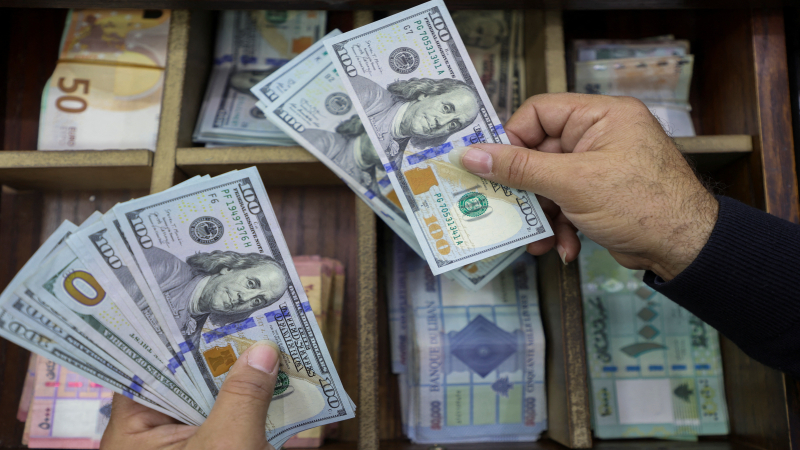
Foreign exchange reserves are once again taking center stage in how markets assess policy credibility. After years in which low global rates and ample liquidity reduced attention on reserve adequacy, shifting financial conditions have brought reserves back into focus. Investors are paying closer attention to how much buffer countries have to manage shocks, defend currencies, and maintain confidence during periods of stress.
This renewed focus reflects a more cautious global environment. Capital flows are more selective, funding conditions are less forgiving, and policy mistakes are punished more quickly. In this context, reserves are no longer viewed as a passive balance sheet item. They are an active signal of a country’s ability to manage volatility and uphold policy commitments.
Reserves Act as a First Line of Defense for Currency Stability
Foreign exchange reserves provide authorities with the capacity to smooth excessive currency volatility. When markets become disorderly, reserves allow central banks to supply liquidity and counter abrupt moves that could destabilize the economy.
This defensive role is especially important during periods of external stress. Reserves can help bridge temporary funding gaps, reassure investors, and prevent self reinforcing capital outflows. Their presence does not eliminate pressure, but it can slow momentum and create space for policy adjustment.
Markets view adequate reserves as a sign that policymakers are prepared. Even if intervention is limited, the availability of reserves supports confidence and reduces the likelihood of panic driven currency moves.
Reserve Adequacy Shapes Market Confidence
It is not just the size of reserves that matters, but their adequacy relative to external needs. Investors compare reserves to short term external debt, import coverage, and potential capital flow volatility.
When reserves appear sufficient, markets are more patient. Currency weakness may be tolerated as part of adjustment rather than interpreted as a sign of crisis. When reserves are thin, even modest shocks can trigger sharp reactions.
This assessment happens continuously. Changes in reserve trends are closely monitored, and persistent drawdowns can quickly alter sentiment. As a result, reserve data has regained relevance as a leading indicator of policy credibility.
Credibility Depends on How Reserves Are Used
How authorities deploy reserves is as important as how much they hold. Transparent and disciplined use supports confidence, while opaque or aggressive intervention can raise concerns.
Markets generally favor reserves being used to smooth volatility rather than defend fixed levels. When intervention appears aimed at delaying necessary adjustment, credibility can erode. This makes reserve strategy a key component of broader policy signaling.
Clear communication around reserve objectives reinforces trust. When markets understand the framework guiding intervention, reserves enhance credibility rather than invite speculation.
Emerging Markets Face Greater Scrutiny
The renewed importance of reserves is particularly evident in emerging markets. These economies are more exposed to shifts in global liquidity and risk sentiment, making reserve buffers critical.
Investors differentiate sharply between countries with strong reserve positions and those with limited buffers. Adequate reserves can offset concerns about debt, growth, or political risk. Weak reserves magnify those concerns.
This scrutiny influences capital flows. Countries with credible reserve positions tend to attract more stable investment, while others face higher risk premiums and more volatile currency behavior.
Reserves Interact With Broader Policy Frameworks
Reserves do not operate in isolation. Their effectiveness depends on fiscal discipline, monetary credibility, and institutional strength. Strong reserves paired with weak policy frameworks provide only temporary protection.
Markets look for consistency. When reserve accumulation aligns with prudent macro policy, confidence builds. When reserves are relied on to compensate for policy weaknesses, their signaling power diminishes.
This interaction reinforces why reserves have regained importance. In a more demanding environment, balance sheet strength and policy coherence matter more than ever.
Conclusion
Foreign exchange reserves have regained importance as a signal of policy credibility in a world of tighter liquidity and selective capital flows. Adequate and well managed reserves reassure markets, support currency stability, and provide room for adjustment during stress. As global conditions remain uncertain, reserves once again serve as a visible measure of a country’s preparedness and policy strength.