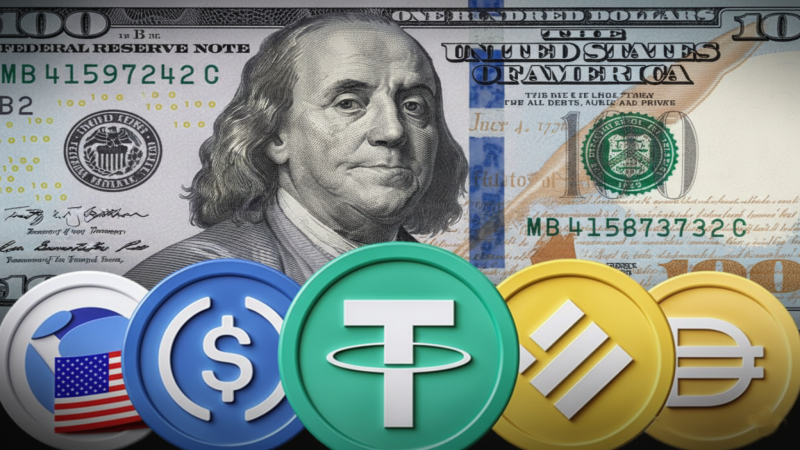
Stablecoins have moved from the margins of financial discussion to the center of policy debate as their role in global dollar flows expands. What began as a tool for facilitating transactions within digital markets is now being examined for its broader macroeconomic implications. Policymakers are increasingly focused on how stablecoins interact with the international use of the US dollar and what that means for financial stability and oversight.
This growing attention reflects scale rather than novelty. As stablecoin usage increases across borders, it starts to resemble a parallel channel for dollar circulation. Unlike traditional banking or payment systems, these flows can operate outside established frameworks. That reality has prompted authorities to treat stablecoins not just as a technology issue, but as a policy variable tied to dollar dominance.
Stablecoins Are Becoming a Channel for Dollar Transmission
At their core, stablecoins function as dollar proxies in digital form. They are designed to maintain a stable value relative to the US dollar, making them attractive for payments, transfers, and value storage. As adoption grows, they increasingly facilitate cross border dollar usage without relying on correspondent banking networks.
This changes how dollars move globally. Stablecoins allow users in different jurisdictions to access dollar denominated instruments quickly and at low cost. While this can improve efficiency, it also creates channels of dollar transmission that are harder for policymakers to monitor.
As a result, stablecoins are no longer viewed solely through the lens of innovation. They are seen as part of the broader ecosystem that supports the dollar’s global role, with implications for capital flows and monetary influence.
Dollar Dominance Extends Beyond Traditional Systems
The international role of the dollar has historically been supported by trade invoicing, reserve holdings, and financial markets. Stablecoins add a new layer to this structure. They extend dollar usage into digital environments that operate alongside, rather than within, traditional systems.
This extension reinforces dollar dominance in some respects. Users seeking stability often choose dollar linked instruments over alternatives. At the same time, it raises questions about oversight and alignment with existing policy objectives.
Policymakers are therefore assessing whether stablecoin driven dollar flows strengthen the current system or introduce risks that need to be managed. The answer depends on scale, governance, and integration with regulated financial channels.
Policy Focus Shifts Toward Systemic Impact
As stablecoins grow, policy discussions have shifted from narrow concerns about consumer protection to broader systemic considerations. Authorities are evaluating how these instruments could affect financial stability, capital controls, and the effectiveness of monetary policy.
One concern is the speed at which stablecoin flows can move in response to stress. Rapid shifts into or out of dollar linked digital instruments could amplify volatility in certain markets. This potential has elevated stablecoins from a niche topic to a macro relevant issue.
The policy response is evolving accordingly. Rather than banning usage, many authorities are exploring frameworks that bring stablecoin activity closer to existing regulatory standards while preserving oversight of dollar flows.
Emerging Markets Face Unique Trade Offs
The implications of stablecoin driven dollar flows are particularly significant for emerging markets. In economies with volatile currencies or limited access to dollars, stablecoins can provide a convenient alternative for transactions and savings.
However, widespread adoption can complicate domestic monetary management. Increased reliance on dollar linked instruments may weaken local currency usage and reduce policy flexibility. This tension places stablecoins squarely within debates about currency sovereignty and financial resilience.
For policymakers in these regions, the challenge is balancing the benefits of access and efficiency with the risks of increased dollarization. Stablecoins make this balance more complex by lowering the barriers to dollar usage.
Oversight Determines the Long Term Impact
The long term role of stablecoins in global dollar flows will depend heavily on oversight and integration. Clear rules around issuance, reserves, and transparency can shape whether these instruments complement or disrupt existing systems.
If stablecoins operate within coherent frameworks, they may reinforce the dollar’s global role while improving efficiency. If oversight remains fragmented, they could introduce new sources of risk and unpredictability.
This is why stablecoins are now firmly on the policy agenda. Their impact is no longer theoretical. It is measurable and growing.
Conclusion
Stablecoins have gained attention as a policy issue because they represent a new channel for global dollar flows. As digital dollar usage expands beyond traditional systems, policymakers are reassessing how these instruments affect dollar dominance, financial stability, and monetary control. The outcome will depend on how effectively oversight adapts to this evolving form of dollar transmission.