China’s economic slowdown is creating ripple effects across Asia, influencing how neighboring countries manage their foreign exchange reserves and diversify currency holdings. As one of the region’s largest trading partners and a major driver of global demand, China’s deceleration has prompted policymakers to reassess risk exposure, liquidity preferences and long term reserve strategies. These adjustments are becoming more visible as countries shift toward more flexible and diversified reserve portfolios.
The changes reflect both structural adjustments within China’s economy and broader regional dynamics. With trade flows evolving, investment patterns shifting and currency volatility rising, central banks across Asia are rebalancing their reserve positions to strengthen financial stability. The slowdown is not only reshaping economic expectations but also altering how countries prepare for external shocks and manage currency defenses.
China’s weaker growth outlook is influencing reserve diversification across Asia
The most important factor driving new reserve strategies is the reduced pace of China’s economic expansion. As growth slows, trade volumes with regional partners have become less predictable. This increases uncertainty for Asian economies that rely heavily on China for exports, supply chain integration and investment flows. When trade becomes more volatile, reserve managers typically diversify to reduce concentration risks.
Many Asian countries built significant reserve positions to shield their economies from external volatility. Historically these reserves were allocated across a limited set of currencies, with the US dollar and the Chinese renminbi playing significant roles. China’s slowdown has encouraged some central banks to reevaluate the balance of their holdings. While the renminbi remains an important regional currency, concerns about slower demand and policy uncertainty have encouraged a shift toward broader diversification.
Countries are placing greater emphasis on liquidity and stability. This means allocating more reserves to widely traded currencies that offer deep markets and reliable returns. Although the US dollar remains dominant, several central banks are also expanding exposure to currencies such as the euro, yen and certain commodity linked currencies. These adjustments help reduce vulnerability to single market shocks and provide greater flexibility in managing external pressures.
Trade realignments are affecting how central banks accumulate reserves
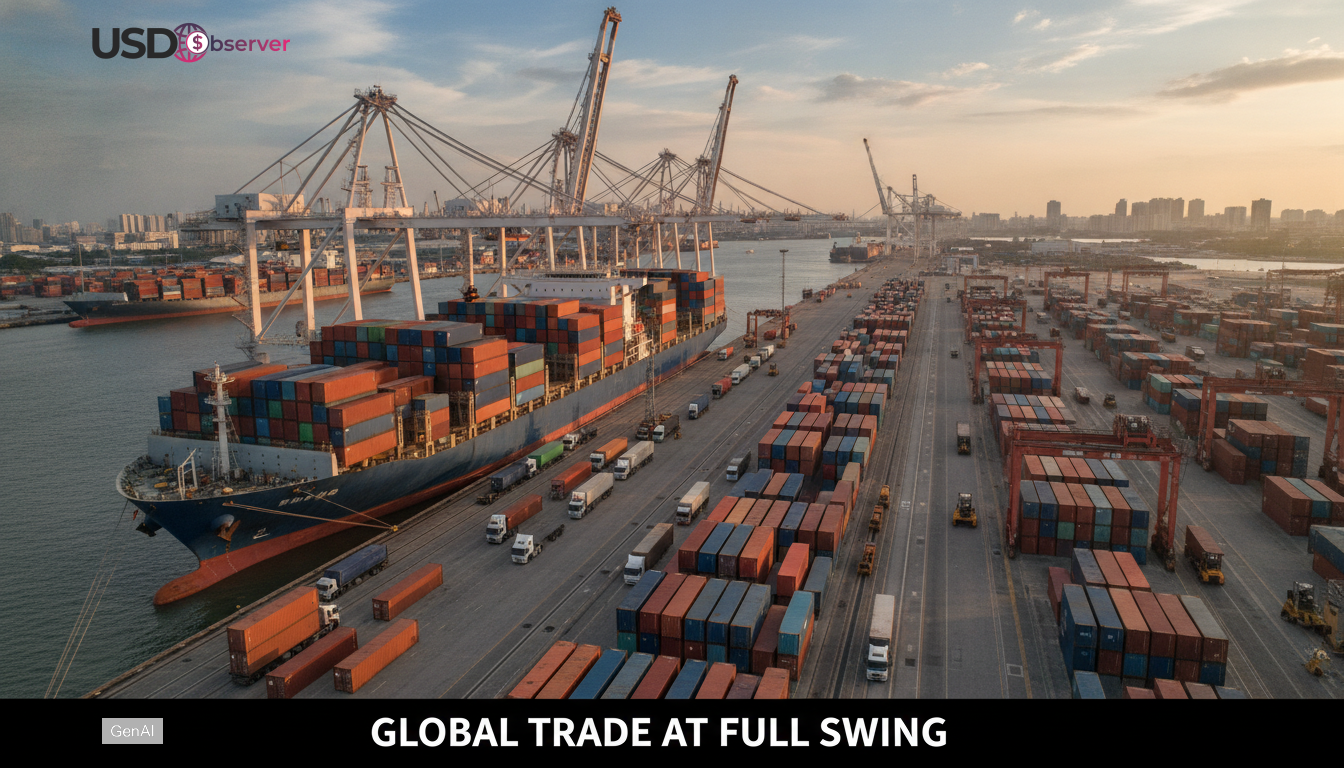
As China’s economy adjusts, many global and regional companies are reconfiguring their supply chains. Some production has moved to Southeast Asia and South Asia, creating new trade relationships and a more distributed manufacturing landscape. These shifts influence how Asian economies accumulate and deploy their reserves.
Countries experiencing stronger export growth due to supply chain realignment are seeing changes in their inflows and reserve patterns. Policymakers in these economies are reassessing how much reserve accumulation is needed and which currencies best support trade invoicing. While China continues to play a central role in regional trade, diversification efforts reflect a recognition that global supply chains are becoming more multipolar.
For nations that remain highly integrated with China, reserve strategies now incorporate a wider range of risk scenarios, including slower import demand, currency fluctuations and periodic financial stress stemming from China’s domestic conditions. These considerations contribute to more balanced and resilient reserve allocations.
Currency volatility is encouraging more conservative reserve management
China’s slowdown has increased volatility in regional currency markets. When Chinese demand weakens or financial conditions tighten, regional currencies often experience downward pressure. This creates additional challenges for central banks tasked with stabilizing exchange rates and supporting national financial systems.
To manage these risks, many central banks are increasing the share of highly liquid reserve assets. Short duration instruments in stable currencies provide flexibility for intervention when markets become turbulent. Reserve managers must be able to access funding quickly, and liquid assets allow rapid deployment during periods of currency stress.
This cautious approach aligns with broader trends in global reserve management, where safety and liquidity have become priorities. China’s slowdown has amplified the need for stronger buffers, particularly for economies that experience capital flow volatility or maintain significant trade exposure to China.
Regional economic integration is evolving, affecting long term reserve strategies
The relationship between China and its regional partners is evolving as countries deepen integration with other global markets. Free trade agreements, new investment partnerships and technology driven cooperation are broadening economic alliances across Asia. As these networks expand, reserve strategies must adapt to a more diversified set of economic interactions.
Central banks are incorporating these long term shifts into their planning. Diversified reserves allow economies to support a wider range of trade flows and reduce dependence on any single partner. While China remains a key regional player, the evolving structure of Asian trade encourages more balanced reserve compositions that reflect broader global linkages.
Conclusion
China’s economic slowdown is reshaping how Asian central banks manage and diversify their foreign exchange reserves. Weaker growth, shifting trade patterns, rising currency volatility and evolving regional integration are prompting reserve managers to adopt more flexible and resilient strategies. As these adjustments continue, Asia’s reserve landscape will reflect a greater emphasis on diversification, liquidity and risk management in response to changing economic conditions.