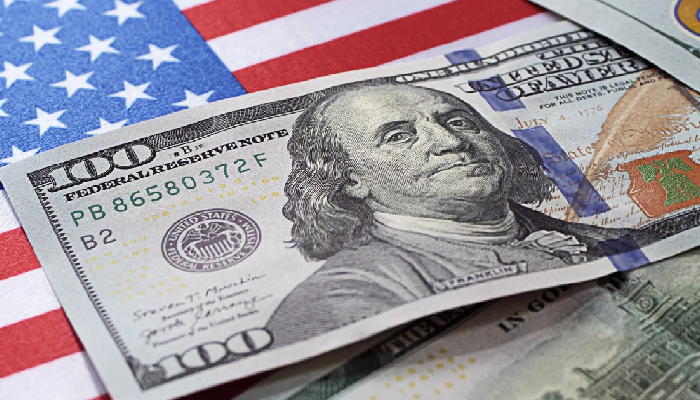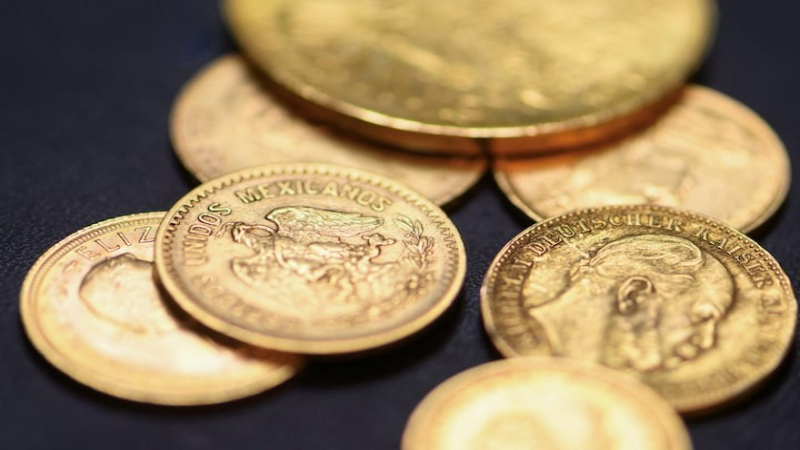
Gold extended its rally to a one month high as the dollar retreated following the Federal Reserve’s latest quarter point rate cut, drawing renewed attention from investors seeking protection against policy shifts and persistent inflation concerns. Spot gold climbed above 4275 dollars an ounce and futures advanced further as lower yields reduced the opportunity cost of holding non yielding assets. Analysts observed notable momentum across the precious metals complex as silver drove broader gains after touching a fresh record high. The dollar’s decline to a seven week low improved affordability for overseas buyers, intensifying demand for safe haven assets ahead of key US labor data. Market participants have increasingly emphasized the interaction between monetary policy expectations and the dollar’s stability, noting that gold often strengthens when rate cycles approach a pause. With policymakers signaling caution and acknowledging that inflation remains above the preferred range, traders positioned for continued volatility across currency and commodity markets.
The Federal Reserve’s third consecutive rate cut contributed to shifting expectations about the broader policy trajectory, generating debates among investors about whether the easing cycle may slow as officials watch for changes in labor market conditions. While the central bank hinted at a possible pause, the implications for the dollar remain central to market strategy, especially as President Trump continues advocating for lower borrowing costs and prepares to nominate a new Fed chair aligned with that stance. The softer rate environment supported precious metals as the dollar index declined sharply, reinforcing safe haven flows. Silver’s breakout influenced platinum and palladium as well, with sentiment strengthened by rising investment interest in alternative stores of value. Analysts noted that when inflation remains above target, rate cuts can amplify interest in metals that reflect long term expectations about currency depreciation and purchasing power. The interplay between monetary policy, market confidence and dollar behavior continues to determine trading patterns across metals.
Broader market attention is now shifting toward the upcoming US non farm payrolls report, which is expected to offer fresh insight into economic resilience and influence near term decisions on interest rates. In parallel, global developments such as India’s decision to permit pension fund investments in gold and silver ETFs may increase structural demand for precious metals, widening the investor base beyond short term hedging flows. Currency strategists highlighted that continued weakness in the dollar could sustain upward pressure on metals, particularly if rate differentials narrow and investors moderate their expectations for future tightening. Platinum and palladium also advanced steadily, reflecting broader optimism across the complex. With commodity markets responding to both domestic policy signals and global investment flows, the dollar’s trajectory remains a key reference point. As traders monitor yield movements and prepare for new economic data, gold’s reaction underscores how the currency environment continues to shape demand for tangible stores of value.