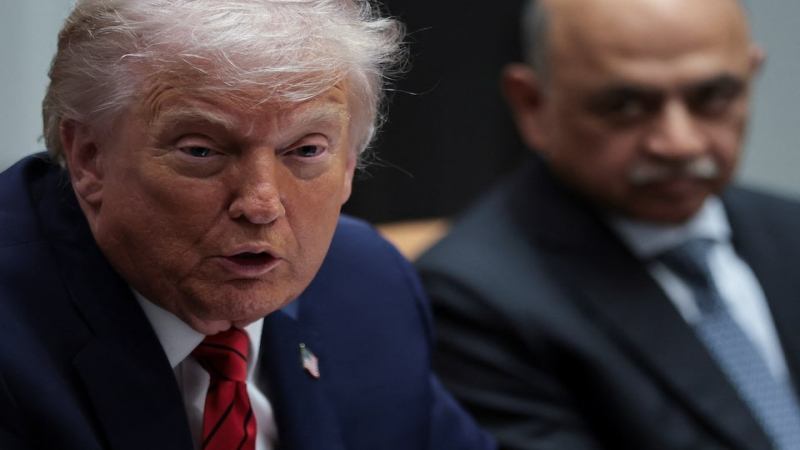
The seizure of a sanctioned tanker off the Venezuelan coast intensified geopolitical pressure on global energy markets and contributed to a short lived lift in crude prices as traders reassessed the potential impact on regional supply flows. The US action, confirmed by President Trump, marked a significant escalation after years of sanctions aimed at restricting revenue channels for the Venezuelan government. The move prompted immediate criticism from Caracas, which accused Washington of theft and vowed to raise the matter before international bodies. Currency and commodity analysts noted that heightened tensions in oil producing regions often influence risk appetite and dollar flows, particularly when supply expectations shift in response to geopolitical interventions. Although the long term effect on global balances remains uncertain, the timing of the seizure has drawn attention from market participants monitoring whether strained trade routes and enforcement measures could amplify volatility in the broader energy complex.
The vessel, identified by maritime intelligence as the Skipper, had departed Venezuela’s main export hub earlier in the month carrying nearly two million barrels of heavy crude and had already transferred part of its cargo near Curacao before the operation. US agencies including the FBI, Homeland Security and the Coast Guard executed the seizure under a federal warrant with support from the military, underscoring the scale of the enforcement effort. The involvement of multiple agencies reflects Washington’s renewed intent to disrupt the transportation of sanctioned oil linked to both Venezuela and Iran. Analysts tracking the region highlighted that Venezuelan shipments have been rising despite ongoing restrictions, supported by discounted pricing and blending operations. The seizure adds a new layer of uncertainty around cargo movements and comes at a moment when supply tightness, competitive discounting and shifting buyer patterns influence market expectations. Crude futures responded with gains as traders weighed immediate disruptions against the broader supply picture.
The developments arrive amid concerns that enforcement pressure could influence the security of maritime corridors across the Caribbean and increase friction in trade routes that intersect with US strategic interests. Observers noted that the dollar often reacts to fluctuations in energy markets as shifts in oil prices affect inflation expectations, particularly when geopolitical risks raise the prospect of tighter supply. While the direct impact on US bound volumes may be limited due to existing sanctions, the escalation adds momentum to geopolitical narratives that can influence safe haven flows and yield positioning. Venezuela continues to export significant volumes to Asia under discounted terms, and the reemergence of enforcement operations increases the likelihood of further scrutiny of vessels operating in these channels. With tensions elevated and questions emerging around the broader strategic posture, traders are monitoring how potential disruptions could interact with inflation sensitive commodities and near term currency dynamics.