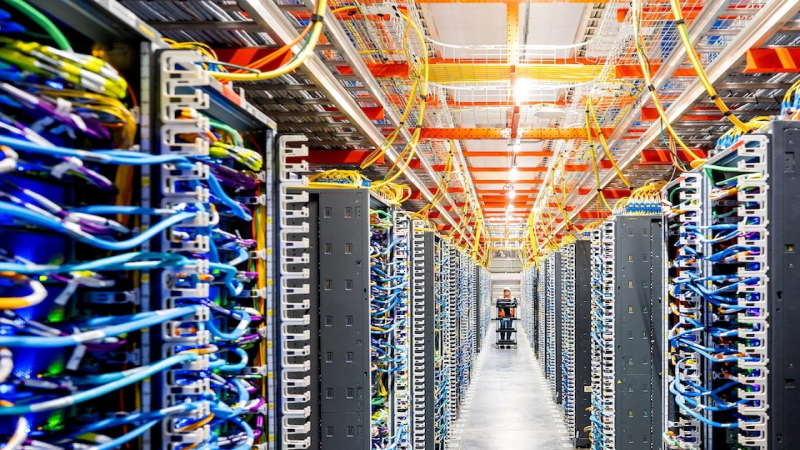
Major global investors gathered at Abu Dhabi Finance Week signaled rising caution toward elevated valuations in artificial intelligence related companies, even as they acknowledged the long term importance of the sector’s infrastructure. The discussion reflected an environment where enthusiasm for AI remains strong but increasingly tempered by concerns about capital intensity, capacity constraints and the broader macroeconomic implications of rapid expansion. Technology giants have issued significant debt in recent months to finance ambitious AI projects, drawing attention to how heavily the industry now relies on physical infrastructure. Investors note that these commitments come at a time when uncertainty around growth, interest rates and productivity gains remains high. While forecasts for 2026 point to resilient economic activity and improved earnings outlooks, the concentration of gains among a narrow group of firms has intensified debate over whether markets are adequately pricing structural risks. Several panelists highlighted that deeper analysis is needed to distinguish sustainable AI opportunities from cyclical momentum.
Some asset managers described current market behavior as reminiscent of the early stages of a gold rush, arguing that rapid price appreciation does not necessarily reflect the long term value that the technology could create. They emphasized that AI’s full economic impact may take years to materialize and may not immediately appear in corporate earnings. Others focused on the practical constraints shaping AI development, particularly heavy electricity consumption and the substantial expansion required in energy infrastructure to support future data center growth. These pressures, combined with elevated capital expenditures from major technology firms, raise questions about how quickly AI driven productivity improvements can offset the associated costs. Sovereign wealth funds suggested that despite lofty valuations, AI related sectors continue to offer compelling opportunities, especially when aligned with broader trends in biotechnology, cloud infrastructure and computing demand. They characterized the current period as the midpoint of a longer journey rather than a late cycle stage.
Hedge funds and alternative asset managers expressed more pointed concerns, warning that investors may be underestimating structural risks associated with rapid AI adoption. Several speakers argued that disruptions triggered by AI could be uneven across sectors and may not always support higher market valuations. They highlighted that investment opportunities may become more restricted as competition intensifies and funding becomes more selective. Real assets managers pointed to data centers as a primary area of opportunity but cautioned against paying high multiples that depend on rapid growth to justify returns. They noted that some large technology firms are running negative free cash flow due to aggressive AI infrastructure spending, indicating that the market may not fully appreciate the cost of scaling. The debate underscored the tension between the transformative potential of AI and the financial realities of supporting its growth. For currency and macro analysts, these dynamics matter because shifts in investment patterns, capital expenditure and corporate leverage influence broader market risk sentiment and future USD positioning.