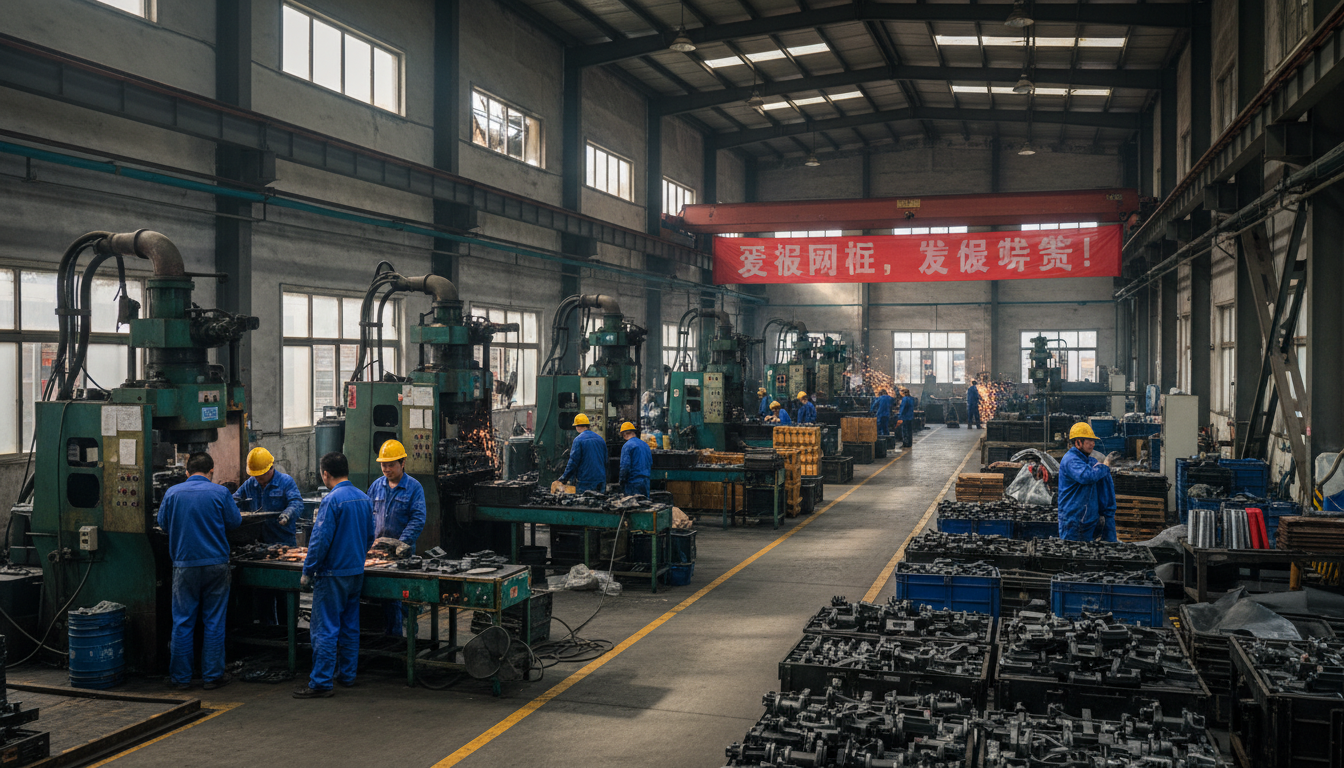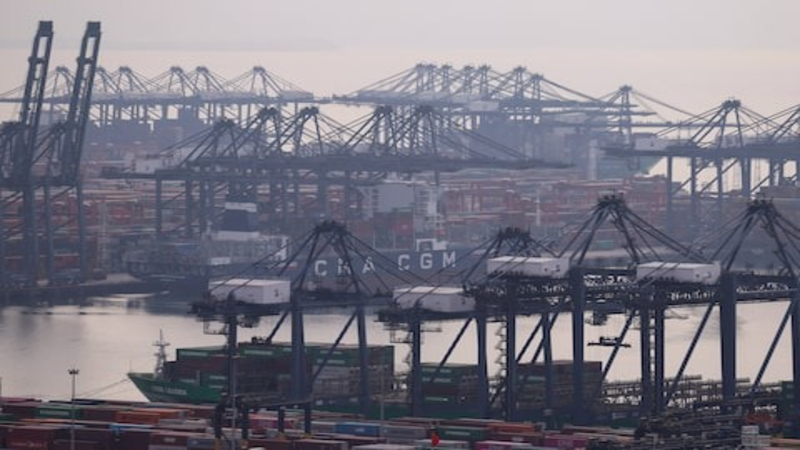
China’s trade surplus crossed the one trillion dollar mark for the first time in the first eleven months of the year, fuelled by a sharp rise in shipments to non US markets and a continued redirection of global supply chains. Exporters increased reliance on Europe, Australia and Southeast Asia as elevated US tariffs pushed manufacturers to diversify their customer base. November export growth reached nearly six percent, reversing the previous month’s contraction and exceeding expectations, indicating that Chinese firms have effectively adjusted to long running trade frictions. While shipments to the United States declined almost thirty percent year on year, the strength in other regions pushed the monthly trade surplus above one hundred billion dollars. The scale of rerouted exports highlights an important dynamic for global investors tracking dollar strength because the rebalancing of trade flows influences reserve accumulation, currency hedging activity and cross border financial patterns that interact with dollar demand. China’s ability to sustain export growth despite tariff pressures reinforces expectations that it will continue gaining market share through 2026.
At the same time, China’s import growth underperformed relative to forecasts, offering additional evidence that domestic demand remains subdued. Analysts pointed to softer consumer momentum and ongoing property sector challenges as key factors restraining the recovery in household and corporate spending. The import uptick of less than two percent underscores how internal economic conditions differ sharply from the more resilient export environment. While export strength can support the yuan in the near term, weak domestic demand raises questions about the sustainability of broader economic momentum heading into next year. Purchasing manager surveys have already warned of more difficult conditions for exporters in 2026, suggesting that the current performance may face headwinds if global demand moderates or if trade relationships shift again. For USD analysts, these internal inconsistencies in China’s economic profile provide further insight into how capital flows might adjust as investors assess the relative strength of China’s external sector against its softer domestic landscape.
The policy backdrop adds another layer to the currency and trade narrative. Despite progress on scaling back selected tariffs following recent high level talks, overall tariff levels on Chinese goods entering the United States remain elevated, averaging nearly fifty percent. This continues to compress exporter margins and reinforces the push toward alternative markets. China has accelerated efforts to formalise new trade partnerships and expand production hubs tailored to lower tariff jurisdictions, a strategy that has already produced measurable shifts in export destinations. The combination of robust exports, softer imports and persistent geopolitical friction shapes the outlook for China’s interactions with the dollar, particularly as the trade surplus influences reserve positioning and global liquidity trends. As foreign currency inflows rise, the question for global markets becomes how China will manage its external balances in an environment shaped by both opportunity and constraint. The surging surplus underscores the growing complexity of global trade patterns and offers a critical lens for understanding the next phase of dollar movements across major and emerging market currencies.