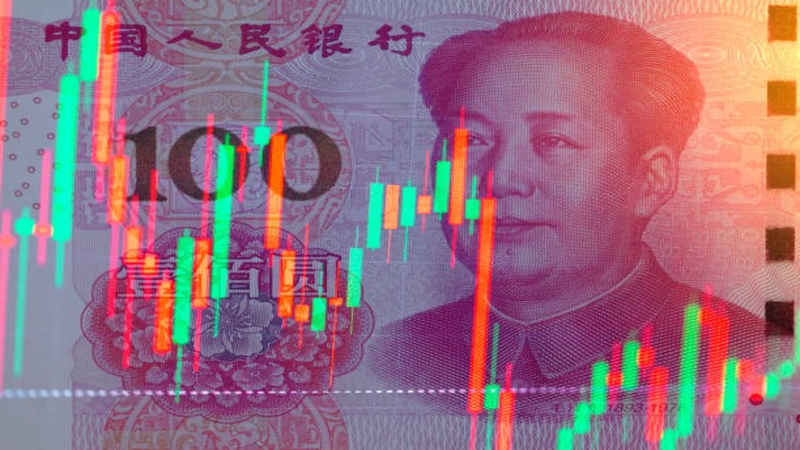
China’s yuan strengthened at the start of the week after export data showed a sharper than expected rebound in outbound shipments, adding support to the currency at a time when global markets are closely monitoring central bank guidance. Exports rose nearly six percent year on year in November, reversing the contraction seen in the previous month and providing evidence that external demand remains resilient despite continuing geopolitical uncertainty. The stronger reading, combined with signs of improved communication between Chinese and US officials on trade, lent stability to the yuan as it traded near 7.07 per dollar. The People’s Bank of China set the midpoint slightly weaker than market estimates, but the deviation narrowed considerably from the wider gap recorded last week, suggesting a more balanced approach to managing near term currency pressures. For analysts tracking the dollar’s position in Asia, the yuan’s firming signals how improved trade momentum can temporarily temper the greenback’s regional dominance even as broader expectations remain anchored to upcoming Federal Reserve policy decisions.
Market participants also focused on the broader implications of China’s policy calendar, with key year end economic meetings expected to outline priorities for 2026. Investors anticipate greater emphasis on supporting domestic demand, addressing property sector challenges and stabilising growth momentum. The yuan’s performance remains sensitive to these policy signals, particularly as the central bank balances the need to anchor sentiment with the constraints created by fragile confidence and moderate capital outflows. The narrowing of the midpoint gap reflects an effort to reduce volatility and maintain controlled flexibility around the trading band. While the spot yuan and offshore yuan saw modest gains, the moves occurred in an environment where the dollar index weakened slightly, allowing Asian currencies some breathing space after a period of sustained dollar strength. Improved trade data offers temporary support, but structural pressures within China’s economy may limit longer term appreciation unless broader growth indicators strengthen consistently.
For global FX observers, the yuan’s modest rise provides insight into how regional currencies may react as macroeconomic signals evolve in the coming weeks. Continued dialogue between China and the United States has alleviated some concerns around tariff escalation, reinforcing confidence that near term disruptions to trade flows may be avoided. However, investors remain cautious ahead of the Central Economic Work Conference, where policymakers are expected to highlight unresolved risks tied to real estate and weak domestic sentiment. The interplay between China’s internal demand challenges, external trade resilience and shifting policy guidance will shape the yuan’s positioning against the dollar heading into the new year. Although the dollar has eased slightly, its broader trend will be driven by the Federal Reserve’s stance, making this an important juncture for understanding how the yuan trades within the wider global currency landscape. The latest movements underscore how supportive data releases can provide short lived relief, yet sustained strength will depend on clearer growth commitments and stable bilateral relations.