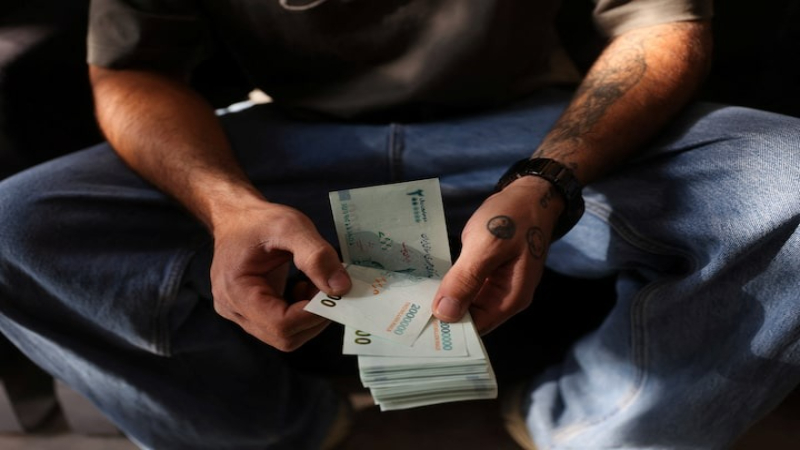
Iran’s currency fell to its weakest level on record at the start of the week, trading near 1,250,000 rial to the dollar on the open market as domestic pressures and policy shifts accelerated demand for foreign currency. The decline reflects the widening gap between regulated and market driven exchange rates, as the government’s recent decision to allow importers to purchase dollars through the open market increased pressure on already strained liquidity. Ordinary buyers rely heavily on the open market to secure foreign currency, and this shift has intensified competition for available dollars at a time when confidence in the local economy is deteriorating. The move has magnified the impact of long standing US sanctions that continue to restrict the country’s access to foreign reserves. The rial’s dramatic slide illustrates how structural instability and policy adjustments can create conditions that strengthen the dollar’s position in markets where economic resilience is limited. For analysts monitoring global FX dynamics, Iran’s currency performance highlights the broader trend of emerging market fragility amid firm dollar demand.
Economic data suggests that Iran faces a difficult trajectory as recession risks deepen and inflation accelerates. Official figures show monthly inflation nearing fifty percent, the highest reading in over three years, underscoring the severe erosion of purchasing power that has pushed more households and businesses toward dollar based transactions. The World Bank expects Iran’s economy to contract in both 2025 and 2026, raising concerns that capital flight and currency substitution will intensify, further entrenching dollar dominance. Rising domestic fuel prices planned for December may add to inflation pressure and reduce consumer confidence at a time when the economic environment is already fragile. With the rial losing value sharply, the cost of imports continues to climb, highlighting the crucial role of foreign currency access in maintaining basic economic stability. Analysts note that the widening divergence between regulated and market rates threatens to undermine policy credibility, making it harder for authorities to stabilise expectations.
The current situation also reflects how global macro conditions and geopolitical factors intersect with local vulnerabilities to shape the dollar’s influence in constrained economies. Sanctions have restricted oil export revenues and foreign currency flows for several years, making it difficult for Iran to rebuild reserves or support its currency during periods of heightened stress. The combination of elevated inflation, recession forecasts, and policy liberalisation has strengthened the dollar’s position as both a hedge and a necessity within Iran’s economy. As more buyers turn to the open market for essential goods and currency needs, upward pressure on the dollar is likely to persist unless the authorities intervene or implement a new framework to manage liquidity. For observers tracking global USD trends, Iran’s record low exchange rate offers a clear example of how domestic and international forces can converge to reinforce dollar strength, particularly in economies facing prolonged structural and geopolitical constraints.