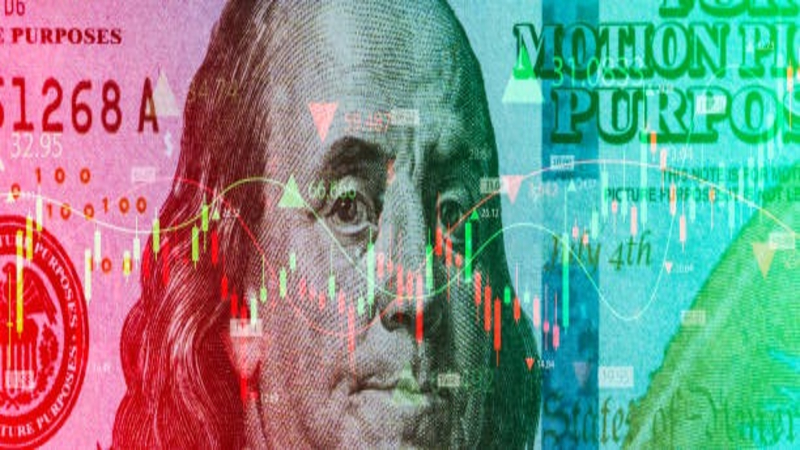
The US Dollar Index strengthened this week as diverging interest rate paths between major central banks reshaped global currency flows. Traders reduced expectations of immediate Federal Reserve rate cuts while several other economies continued signaling easing cycles. This shift increased demand for USD assets and placed renewed pressure on emerging market currencies that remain sensitive to changes in global funding conditions.
Markets entered December with a more cautious tone after a period of slower dollar momentum earlier in the quarter. Stronger US labor data and steady core inflation reinforced investors’ confidence that the Federal Reserve may keep rates elevated for longer. As a result, the dollar attracted additional inflows from global funds that are repositioning ahead of key macro data releases. The change in sentiment has created headwinds for currencies with weaker balance sheets or wider current account deficits.
Rate divergence is driving global FX flows
The widening gap in policy expectations is the main force behind the dollar’s upward movement. Investors continue to assess signals from the Federal Reserve indicating that inflation remains above target. This encourages a more restrictive stance for a longer period. At the same time, several major central banks, including the European Central Bank and the Bank of England, have turned more cautious because of slower growth in their domestic economies. The combination supports the appeal of dollar-denominated assets while reducing the attractiveness of other developed market currencies.
Emerging markets are more exposed to these shifts because they depend heavily on global capital flows. When rate differentials favor the United States, investors often pull back from riskier assets. This leads to outflows from local bond markets and increases the cost of raising external financing. Some EM central banks that began early rate cutting cycles may now need to pause or consider interventions to stabilize their currencies. The recent moves highlight how quickly global funding conditions can tighten even without direct policy action from the Federal Reserve.
Pressure intensifies on emerging market currencies
Emerging market currencies have experienced mixed performance in recent weeks. Countries with higher foreign exchange reserves and more balanced fiscal positions have shown relative stability. Others with weaker fundamentals have seen accelerated depreciation as global investors seek safer assets. The shift has increased volatility in Latin America, parts of Southeast Asia, and several African economies.
A stronger dollar often results in higher import costs for EM economies, particularly for energy and industrial materials priced in USD. This can add pressure to domestic inflation at a time when many central banks were preparing to ease policy after extended tightening cycles. Policymakers must now balance inflation risks with the need to support growth. In some markets, the currency shock has already triggered discussions about targeted FX interventions and adjustments to local liquidity operations.
Treasury yields influence currency performance
The rise in US yields is reinforcing the dollar’s position. Longer-term Treasury yields firmed as investors reassessed the likelihood of a near-term pivot toward lower interest rates. Higher yields improve the carrying advantage of holding US assets relative to other developed markets. Even modest increases in yield differentials tend to influence FX markets quickly because of large institutional positioning in treasury futures and global bond indexes.
The bond market’s direction will remain a critical factor for currency dynamics. If yields continue to rise, additional upward pressure on the dollar is likely. Conversely, a clear decline in yields driven by softer economic data could limit the current rally. Traders are now focused on upcoming inflation prints, employment updates, and comments from Federal Reserve officials to gauge how long restrictive policy will remain in place.
Global markets await key US macro data
In the near term, currency markets will react strongly to new US macroeconomic releases. Stronger data tends to boost expectations that interest rates will remain higher for longer. Weaker data increases speculation about rate cuts in the following year. These shifts can quickly alter global capital flows and influence the stability of emerging market currencies.
The coming weeks will also bring updated guidance from major central banks. Their assessments of growth, inflation, and global risks will shape how investors allocate capital across regions. Any signal that policy paths may diverge further could amplify existing FX trends.
Conclusion
The dollar’s climb reflects renewed confidence in US economic resilience and a widening gap in global interest rate expectations. Emerging markets remain the most sensitive to this shift, with several currencies experiencing increased volatility as investors adjust to tighter global funding conditions. The near term outlook will depend on US macroeconomic data and how central banks respond to evolving inflation and growth trends.