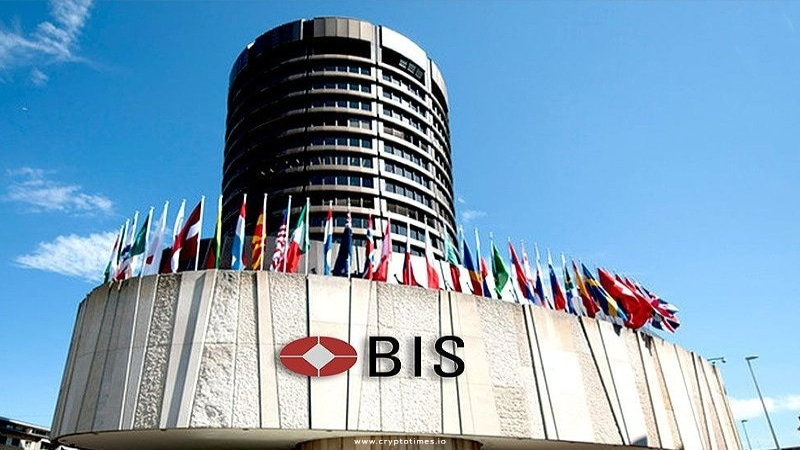
The Bank for International Settlements has issued a warning that short term USD funding risks are rising across global banks as liquidity conditions tighten and demand for dollar financing remains high. The latest analysis points to growing mismatches between dollar denominated assets and available short term funding sources, particularly among banks operating in markets with limited access to stable dollar liquidity. These pressures have emerged at a time when global financial conditions are shifting and cross border funding channels are becoming more sensitive to market volatility.
The increase in short term USD funding risk underscores the central role of the dollar in the global financial system. Many international banks rely on short term wholesale markets to support dollar lending activities, making them vulnerable to sudden changes in market sentiment. As economic signals point to uneven momentum across major economies, the resilience of dollar markets has become an important focus for regulators and financial institutions worldwide.
Why Short Term USD Funding Risk Is Increasing
The most important factor driving increased funding risk is the persistent reliance on short term borrowing to finance longer term dollar assets. This maturity mismatch creates vulnerabilities if liquidity conditions tighten or if market participants become more cautious. While global banks have strengthened their balance sheets over the past decade, many still depend heavily on offshore dollar markets, which can experience rapid shifts in availability during periods of uncertainty.
Changes in U.S. monetary policy expectations have also influenced global funding conditions. As markets reassess the path of interest rates, short term dollar rates have shown increased sensitivity to economic data. Even modest fluctuations can affect the cost and accessibility of dollar borrowing. When combined with elevated geopolitical and macroeconomic risks, these dynamics increase the potential for funding disruptions, particularly for banks operating outside the United States.
Cross Border Banking Structures Add Vulnerability
Banks with significant cross border operations are especially exposed to USD funding pressures. Many institutions lend heavily in dollars but operate in jurisdictions where local dollar deposit bases are limited. These banks depend on wholesale funding markets, swap markets or interbank channels to obtain needed liquidity. When those channels face stress, funding costs can rise quickly or access can temporarily diminish.
The BIS highlighted that some non U.S. banks continue to rely on swap markets to convert local currency funding into dollars, a practice that can become costly when spreads widen. These funding patterns create structural vulnerabilities that require careful monitoring, particularly during periods when volatility affects money markets or when investors shift into safer assets.
Market Volatility and Regulatory Conditions Influence Liquidity
Volatility in global financial markets has added complexity to dollar funding dynamics. Changes in risk appetite, shifts in Treasury yields and evolving expectations for central bank policy have contributed to fluctuations in short term dollar markets. When risk sentiment deteriorates, investors may reduce lending in wholesale markets, increasing funding pressure on banks that rely on these channels.
Regulatory frameworks also influence dollar liquidity conditions. Capital and liquidity requirements introduced after the global financial crisis have strengthened banking systems, but they have also increased the cost of certain types of funding. While these measures promote stability, they can limit the flexibility of banks seeking short term liquidity during periods of stress. As a result, funding gaps can appear more quickly under volatile conditions.
Implications for Global Financial Stability
Rising short term USD funding risks have important implications for global financial stability. Disruptions in dollar markets can affect credit conditions across multiple regions, particularly in emerging markets that depend on dollar financing for trade, investment and corporate borrowing. Higher funding costs can reduce the availability of credit, slow economic activity and create feedback loops that amplify stress in local financial systems.
For advanced economies, dollar funding pressures can influence bank profitability and risk management strategies. Banks may shift toward longer term funding or reduce dollar lending exposure, creating ripple effects across global credit markets. Regulators are closely monitoring these risks, emphasizing the need for strong liquidity buffers and coordinated policy measures to support market functioning during periods of stress.
Conclusion
The BIS warning highlights emerging vulnerabilities in short term USD funding conditions as global banks navigate shifting financial landscapes. Reliance on short term markets, cross border funding structures and heightened market volatility are creating pressures that require careful oversight. As the dollar remains central to international finance, ensuring stable access to USD funding will be essential for maintaining global financial stability in the months ahead.