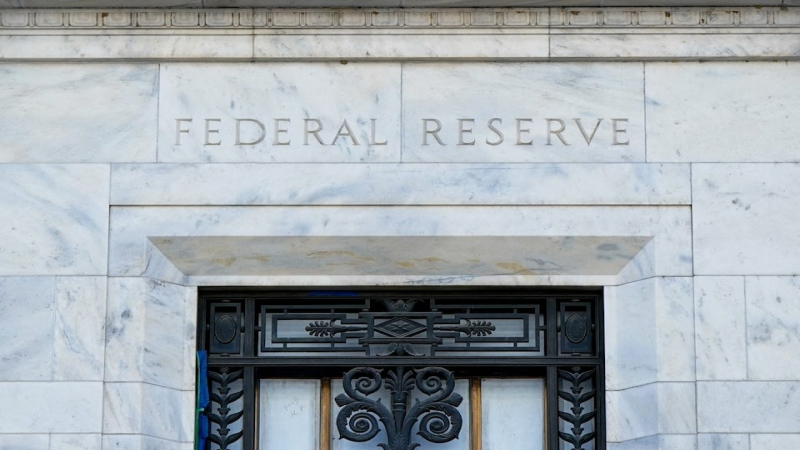
Global markets strengthened as investors positioned for what appears to be a widely anticipated shift in Federal Reserve policy, sending U.S. Treasury yields lower and applying renewed pressure on the dollar. Wall Street recovered from earlier sessions of uneven trading, supported by gains in energy, financials and materials, while European equities also pushed modestly higher. The softer tone in U.S. economic data, particularly the unexpected decline in private payrolls, reinforced expectations for a rate cut at next week’s meeting. Benchmark yields fell across the curve, with the two year note reflecting heightened sensitivity to shifting policy assumptions. As traders priced in an elevated probability of a quarter point reduction, the dollar continued its recent downward trend. The index has now weakened across multiple trading sessions, reflecting a recalibration of relative rate expectations and growing anticipation of leadership changes at the Federal Reserve that could shape the policy stance heading into 2026.
The euro extended its climb against the dollar after updated business activity readings showed continued expansion across the euro zone, supported by stable services demand and resilience across broader segments of the regional economy. The single currency’s advance was mirrored in other European and Scandinavian currencies as sentiment improved on the back of evolving geopolitical discussions linked to the Russia Ukraine conflict. Market participants increasingly see reduced risk premiums in several European markets, prompting a rotation that has accelerated the dollar’s easing trend. Meanwhile, the yen strengthened after signals from the Bank of Japan suggested growing willingness to evaluate a rate increase, contributing to broader downside pressure on the greenback. Sterling also gained, though domestic data highlighted cooling activity in Britain’s services sector. The combination of shifting global interest rate expectations and pockets of economic stabilization outside the United States is setting a foundation for continued relative softness in the dollar.
Commodity markets added another layer to the macro narrative as oil prices rose more than one percent and precious metals found continued support. Brent crude advanced as traders assessed the potential implications of uncertain diplomatic progress in Eastern Europe, noting that any structural easing in geopolitical tensions could reshape supply expectations. Spot gold hovered around key levels near recent highs, benefiting from declining Treasury yields and persistent expectations of monetary easing. Bitcoin also edged higher, reflecting a modest improvement in risk appetite following an extended period of volatility. Across asset classes, the interplay between weakening U.S. data, market conviction in an imminent rate cut and expectations for a more dovish central bank outlook has shaped near term positioning. With the dollar heading for a ninth straight session of declines, traders remain focused on upcoming economic indicators and policy commentary that could influence the currency’s direction as global markets transition toward year end conditions.