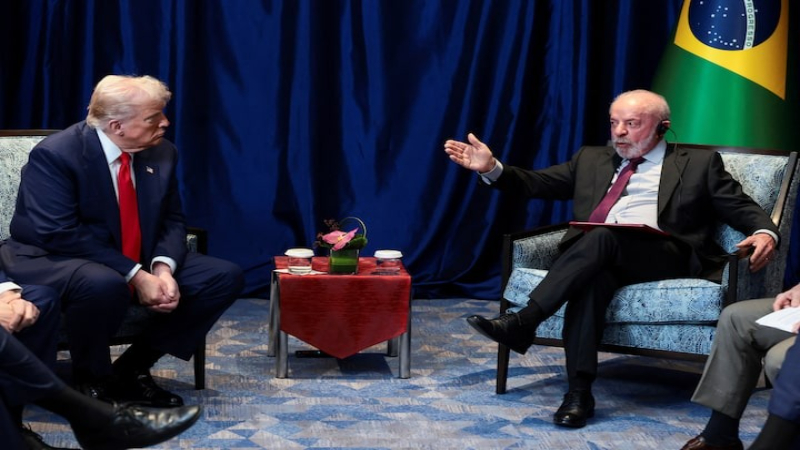
A phone call between the presidents of the United States and Brazil on Tuesday signaled renewed movement on key bilateral trade issues, with both administrations aiming to ease tariff pressures that have weighed on export flows and currency stability over the past year. According to the Brazilian Presidential Palace, President Luiz Inacio Lula da Silva thanked President Donald Trump for lifting additional duties on U.S. imports of Brazilian coffee and beef, a shift that could help normalise trade dynamics between two of the Western Hemisphere’s largest economies. With Brazil seeking further progress on remaining levies, the discussion marked a notable step in the ongoing recalibration of trade relations. For currency analysts, the easing of select tariffs lowers constraints on bilateral trade activity, a theme that can indirectly influence USD flows linked to agricultural and commodity shipments. While the immediate market impact is modest, improved conditions for Brazilian exporters may support steadier transaction volumes in sectors that have seen uneven demand through the year.
The 40-minute conversation also addressed the need for deeper cooperation on combating international organized crime, an area where both governments have highlighted rising cross-border risks. Strengthening coordination between U.S. and Brazilian agencies could support broader regional stability, a factor closely watched by investors evaluating Latin American political and economic conditions. Although crime-focused cooperation does not directly affect FX pricing, improvements in regional security often reduce risk premiums assigned to emerging-market currencies. In Brazil’s case, any uptick in confidence can influence near-term BRL behavior, which in turn affects USD outflows and inflows tied to trade and investment activity. The interaction between political alignment, trade negotiations and financial sentiment remains central to how Brazil’s economic ties with the United States contribute to broader USD positioning within the region.
The call’s emphasis on tariffs comes at a time when global trade remains sensitive to shifting geopolitical alignments, with multiple economies reassessing supply chains and cross-border tariff structures. For the United States, structural adjustments to select agricultural levies help reinforce ties with a key South American partner, while also offering a modest counterweight to uncertainties in other trade corridors. For Brazil, easing tariff friction may help sustain export competitiveness at a moment when domestic conditions and global commodity pricing continue to influence capital flows. While the USD’s broader trajectory this week remains driven by expectations of a Federal Reserve rate cut and evolving global yield dynamics, incremental shifts in U.S.–Brazil trade policy add nuance to regional FX considerations. As both countries signal openness to further dialogue, analysts will be monitoring how continued negotiations shape trade flows, confidence levels and the currency landscape heading into the new year.