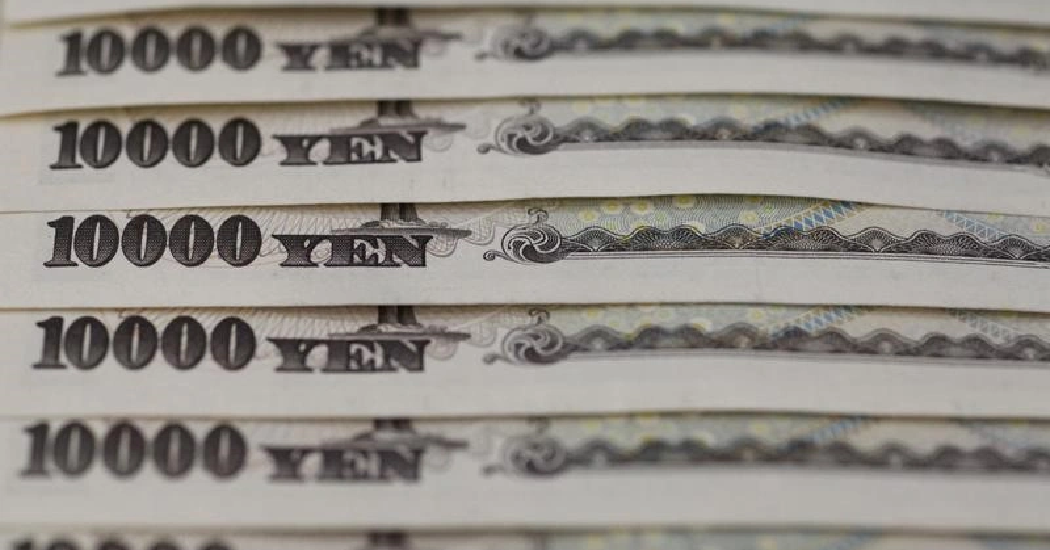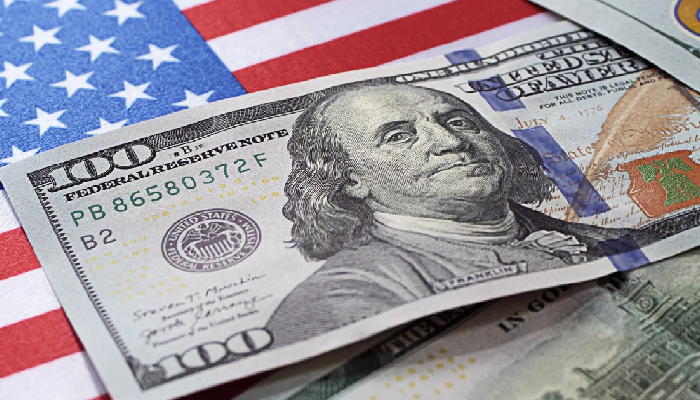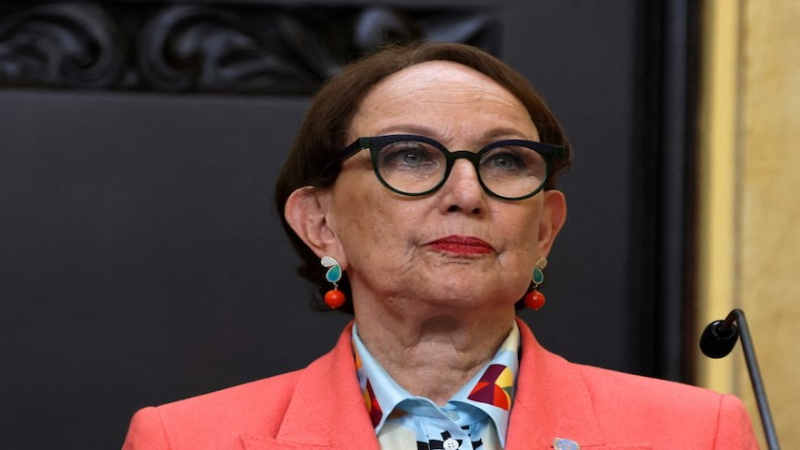
A new assessment from the United Nations Trade and Development Agency signaled rising concerns that global financial conditions are increasingly dictating trade flows, raising structural risks for developing markets and reinforcing the central role of the U.S. dollar in international commerce. The report highlighted that shifts in financial sentiment and interest-rate cycles across major economies now exert nearly as much influence on global trade as real economic activity, underscoring how currency markets, cross-border payment systems and liquidity conditions have become embedded in supply-chain functioning. With global growth expected to slow from 2.9 percent in 2024 to 2.6 percent in 2025, UNCTAD warned that heightened financial volatility and geopolitical tensions could further restrict access to affordable financing for emerging economies. This is particularly significant as more than 90 percent of global trade depends on banking channels, where dollar funding and international settlement systems serve as the backbone of commercial activity, linking trade outcomes directly to U.S. monetary and liquidity cycles.
The report emphasised that while developing economies are projected to grow faster than advanced ones, they continue to face rising borrowing costs, unpredictable capital flows and intensifying climate-related pressures, all of which limit their fiscal and investment capacity. The dollar’s dominance in global finance provides stability during periods of uncertainty but also binds these economies to cyclical conditions they cannot control, magnifying the impact of dollar-driven interest-rate adjustments and investor shifts in major financial centers. UNCTAD said that even minor changes in dollar liquidity or U.S. yield curves can influence trade volumes across continents, illustrating how deeply financial markets and trade networks have become intertwined. The agency argued that current frameworks leave developing nations exposed to volatility without adequate mechanisms to buffer external shocks, especially as funding needs rise alongside climate adaptation and infrastructure requirements. These vulnerabilities, according to the report, highlight the urgent need for stronger global financial architecture.
UNCTAD called for comprehensive reforms aimed at modernising trade rules and restructuring the international monetary system to reduce destabilising currency swings and capital-flow disruptions. The recommendations included strengthening capital markets, improving access to long-term finance and adopting integrated policy approaches that recognise trade, financial conditions and sustainability as interlinked domains. The agency stressed that global resilience will depend on bringing financial governance in line with the realities of a trade system that relies heavily on dollar-based channels and cross-border liquidity. As economic uncertainty persists and geopolitical tensions continue to reshape investment patterns, the report’s conclusions point to a world where the dollar’s influence remains central but the risks associated with that dominance grow sharper for economies with limited policy autonomy. For currency and macro analysts, the findings echo a broader theme: the interaction between financial markets and global trade is deepening, and the dollar’s role within that system continues to carry systemic implications for growth, stability and long-term development paths.