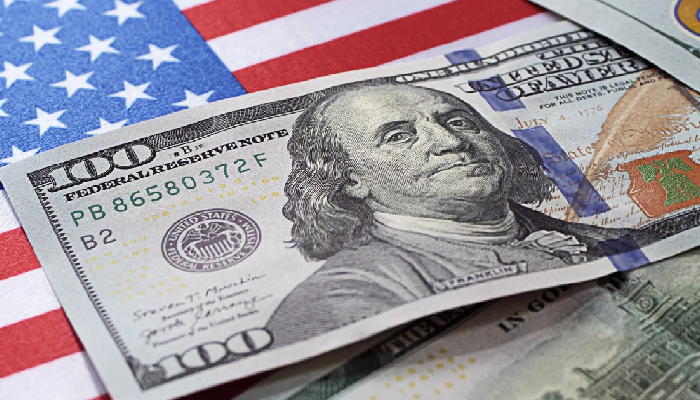
The dollar is closing out the week under sustained pressure as traders increase expectations that the Federal Reserve will lower rates at its upcoming December meeting, marking one of the sharpest weekly declines for the currency since midsummer. Softer data following the government shutdown has reinforced the view that the economic backdrop is cooling enough to justify further easing, even as policymakers continue to voice concern about persistent inflation. Market participants are responding by rebalancing portfolios toward assets that typically benefit from lower yields, with positioning in futures markets now showing a strong tilt toward a quarter point reduction. The mood in foreign exchange markets has also been shaped by an extended outage that temporarily paused trade on one of the most widely used currency platforms. Despite the disruption, liquidity remained relatively stable, signaling that traders are focused primarily on the upcoming central bank decision and the broader implications of weaker data for the dollar’s trajectory.
Price action across major currency pairs has reflected this shift in sentiment. While the dollar index recovered slightly in intraday trading, it remains set for its worst weekly performance since late July as expectations of monetary easing overshadowed technical adjustments. The euro and yen saw modest movement, highlighting a cautious environment in which traders are hesitant to commit aggressively ahead of multiple policy events. The Bank of Japan’s governor is scheduled to speak early next week, and investors are watching closely for signals that a rate increase could be imminent. Recent fiscal measures in Japan have added complexity to the outlook, with some strategists suggesting that a December hike is now plausible. For dollar watchers, the interplay between U.S. rate expectations and potential policy adjustments abroad is particularly important because diverging interest rate paths can influence how capital flows between major markets. Any shift in Japan’s stance would carry immediate implications for dollar yen dynamics, a critical pair for global FX liquidity.
Movements in sterling and the Canadian dollar also contributed to the week’s broader narrative. The pound is on track for its strongest week in several months following the U.K.’s latest budget update, which laid out substantial spending measures alongside higher long term tax projections. Meanwhile, the Canadian dollar strengthened after data showed an upside surprise in third quarter economic performance, driven by energy exports and government spending. These developments add further layers to the global currency landscape at a time when U.S. rate expectations remain the dominant driver of near term direction. In digital assets, bitcoin staged a rebound, a move some analysts attribute to stabilizing risk sentiment as investors digest the week’s volatility. As markets head into December, the convergence of central bank commentary, economic indicators, and evolving risk appetite will continue to shape the dollar’s performance, providing traders with multiple signals to evaluate before year end.