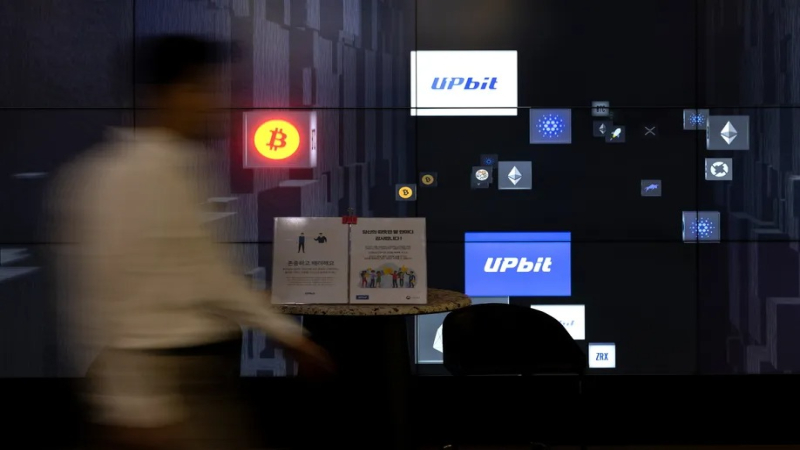
The reported theft of roughly thirty million dollars from a major South Korean exchange has drawn renewed attention to the intersection of digital asset security and broader currency stability. While authorities in Seoul continue to investigate the incident, early indications point toward a coordinated operation by a well known external threat actor. For markets, the immediate focus is not only on the vulnerability of regional exchanges but also on what such episodes signal for dollar liquidity across digital platforms. Sudden outflows from exchanges in Asia often lead to short term distortions between onshore and offshore dollar demand, particularly when traders hedge losses or reposition into perceived safe assets. Episodes like this also raise questions for global regulators, as concerns about the resilience of crypto infrastructure feed into wider conversations about financial stability in dollar linked markets.
Market analysts note that abrupt shocks within crypto ecosystems rarely stay contained to the digital asset sector. When a large regional platform suffers a substantial loss, sentiment can quickly shift toward risk aversion, prompting investors to rebalance portfolios around stronger dollar assets. This pattern has appeared multiple times over the past two years as cybersecurity concerns have increasingly influenced short term currency flows. In the current environment, where geopolitical tensions and global interest rate expectations already shape USD performance, an event that undermines confidence in digital venues can amplify flight to quality behavior. Traders often respond by increasing exposure to dollar cash positions or short duration instruments, which can temporarily lift the dollar index. The scale of this latest breach, combined with the profile of the suspected actors, adds another layer of uncertainty to an already sensitive market backdrop.
Beyond immediate volatility, incidents involving sophisticated threat groups also reshape medium term market expectations about the role of USD denominated assets in digital finance. Every major cybersecurity compromise triggers discussions about governance, settlement risk, and the depth of regulatory oversight across dollar reliant trading environments. As institutional participants attempt to differentiate between secure and insecure platforms, demand for stronger compliance frameworks generally increases. This environment favors exchanges and brokers capable of maintaining reliable dollar rails and transparent reserve structures. For policymakers, episodes like this reinforce ongoing debates around global cyber resilience and its impact on capital flows. While the direct financial loss is concentrated in one market, the implications of rapidly moving digital capital ultimately influence how investors assess dollar strength in periods of uncertainty.