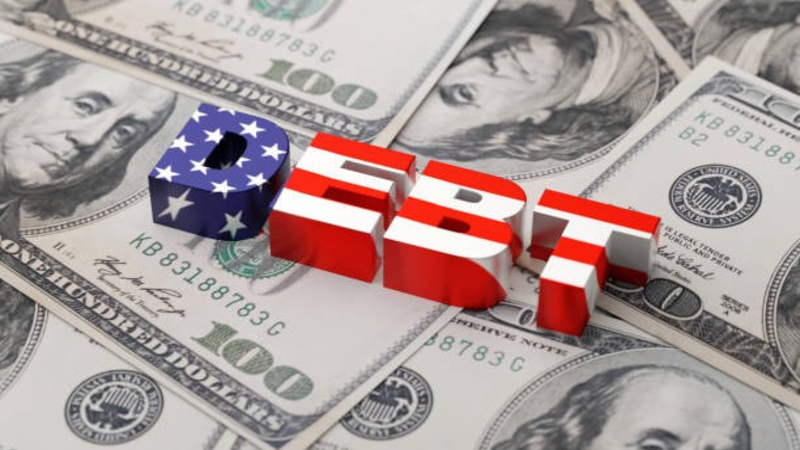
The United States is entering another period of elevated debt issuance, prompting renewed debate over how rising borrowing needs may affect the long-term strength of the dollar. With fiscal deficits expanding and Treasury supply increasing, traders are examining whether the market can continue to absorb this volume without placing downward pressure on the USD. These questions have become more relevant as monetary policy stabilizes and macro conditions shift, redirecting attention from rate decisions to broader fiscal sustainability.
Despite growing concerns, the dollar has shown resilience even during periods of aggressive issuance. This strength reflects the global demand for safe, liquid assets and the institutional confidence that underpins the US financial system. However, as borrowing needs rise and debt servicing costs grow, traders are watching closely to determine whether structural pressures could eventually weaken the dollar’s long-term position. Understanding how these dynamics interact helps clarify the currency’s path in an environment defined by persistent fiscal expansion.
How Rising Debt Issuance Interacts With USD Strength
The most important factor influencing the relationship between rising U.S. debt and dollar performance is global demand for Treasuries. As long as investors continue to view Treasury securities as stable and liquid, larger issuance may not necessarily weaken the dollar. In fact, higher issuance can attract additional capital inflows when yields rise in response to increased supply. This supports the dollar by improving return differentials relative to other major currencies.
However, the balance is delicate. If issuance grows faster than demand, yields may rise for less favorable reasons, such as funding concerns or declining confidence in long-term fiscal management. These periods can create volatility in the dollar as markets reassess the attractiveness of US assets. Traders monitor auction coverage ratios, indirect bidder participation, and pricing outcomes to gauge the sustainability of rising issuance. These indicators help determine whether the dollar can maintain its structural advantage in the face of expanding fiscal obligations.
Debt Servicing Costs and Fiscal Sustainability Debates
As interest rates remain relatively elevated, debt servicing costs have become a larger topic of discussion. Higher interest expenses place additional pressure on federal budgets, raising concerns about long-term fiscal sustainability. These debates influence market sentiment around the dollar, especially among institutional investors who hold large volumes of U.S. debt.
Nonetheless, the US remains better positioned than many advanced economies due to its large and diversified economic base. While rising interest costs are a challenge, the country’s economic scale and global investment appeal continue to support the Treasury market. The dollar benefits from this stability as sovereign investors prioritize reliability and liquidity. Traders evaluating long-term USD behavior increasingly weigh fiscal conditions alongside broader macro indicators to assess potential risks.
International Demand and the Role of Global Reserve Behavior
Foreign demand for U.S. debt continues to play a critical role in determining how rising issuance affects the dollar. Reserve managers, institutional investors, and sovereign wealth funds remain major buyers of Treasuries due to their liquidity and safety profile. As global uncertainty increases, these institutions tend to increase their USD exposure, helping offset any downward pressure that higher issuance might create.
However, the pace of foreign demand can fluctuate. When global yields rise or alternative markets become more attractive, foreign allocations may slow. This can temporarily weaken the dollar or add volatility to yield movements. Traders monitor reserve data releases, foreign participation rates, and cross-border capital flows to understand how international demand shapes broader USD dynamics.
Yield Curve Movements and Market Positioning
The U.S. yield curve provides valuable insight into how markets interpret rising debt issuance. A steepening curve may indicate expectations of stronger growth or the need for higher returns to compensate for increased supply. A flattening curve may signal concerns about future economic momentum or confidence in long-term policy stability. Both scenarios influence dollar behavior and help traders anticipate how the currency may react to fiscal developments.
Positioning trends across futures and options markets also reflect how investors respond to fiscal conditions. When traders expect issuance-driven volatility, they often increase hedging activity or adjust exposure to rate-sensitive currency pairs. These positioning decisions contribute to the dollar’s short-term momentum and highlight how market participants perceive the sustainability of U.S. borrowing levels.
Conclusion
Rising U.S. debt issuance presents long-term challenges, but the dollar continues to benefit from the global demand for safe, liquid assets. As long as Treasury markets remain stable and foreign demand stays resilient, the dollar can maintain its strength even amid larger fiscal obligations. Traders should monitor auction data, yield curve behavior, and reserve flows to gauge how debt dynamics interact with the broader USD outlook.