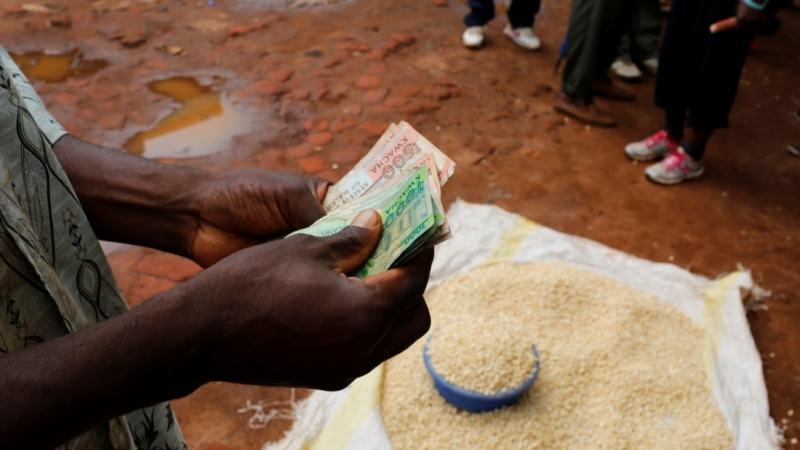
Malawi introduced new currency control measures aimed at stabilizing its weakening reserve position, directing foreign tourists to pay for hotel stays and related services exclusively in hard currencies such as U.S. dollars and euros. The policy shift comes as the country faces increasing pressure on its foreign reserves following the termination of an international credit program earlier in the year and reductions in donor budget support. Authorities presented the initiative as a targeted effort to capture more hard currency directly into the financial system and reduce leakages that have constrained the central bank’s ability to manage the kwacha. Tourism operators are now required to apply for special licenses that allow them to transact in foreign currency, creating a more direct channel between hotel earnings and the national reserves. The measure underscores how dependent smaller economies are on stable inflows of strong foreign currencies, with the U.S. dollar in particular providing much of the liquidity needed for external payments and essential imports.
The directive is part of a broader package of adjustments meant to tighten control over foreign exchange movements and accelerate the repatriation of earnings. Exporters will now have only 90 days to bring proceeds into the country, down from 120 days, and will be required to surrender a portion of unused foreign exchange after settling their import obligations. The government also announced a temporary halt to short term foreign exchange derivatives, citing misuse by certain market participants and inadequate regulatory oversight. These contracts, often used to hedge exchange rate risk, had grown increasingly complex relative to the domestic market structure. Policymakers argued that suspending them would help prevent speculative positions that undermine currency stability. The emphasis on stricter monitoring reflects rising concern that Malawi’s external buffers are thin at a time when the global environment is less forgiving for countries with limited access to hard currency financing.
For USD focused analysis, the move highlights the dollar’s continued centrality in international tourism, trade and financial stability for emerging and frontier markets. When foreign reserves erode, governments often adopt measures that directly or indirectly increase reliance on the dollar, both to stabilize domestic currency conditions and to improve their capacity to meet external obligations. Malawi’s policy demonstrates how structural imbalances can push smaller economies toward harder currency regimes, reinforcing global demand for the dollar even in contexts where domestic reforms are underway. While the measures may help the country capture more foreign exchange in the short term, the broader challenge lies in rebuilding a sustainable reserve cushion through diversified export growth and restored access to external credit. For currency analysts, developments like these serve as indicators of increasing strain within vulnerable economies and provide additional context for understanding global USD demand dynamics during periods of tightening financial conditions.