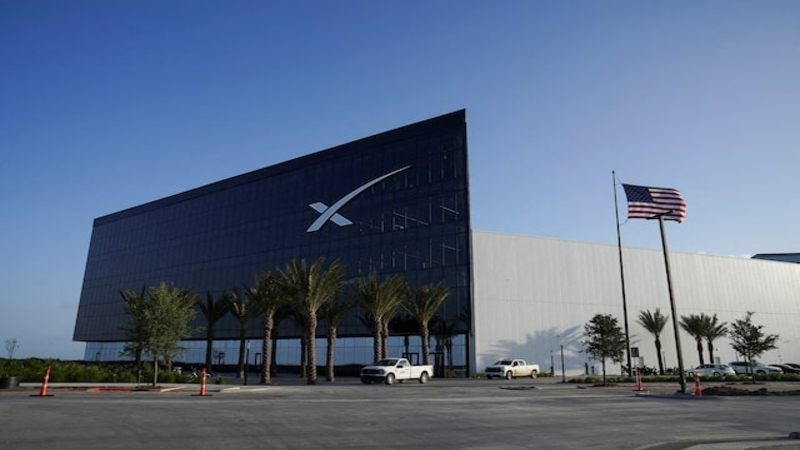
A major test failure involving the first booster of SpaceX’s upgraded Starship system has drawn fresh attention from markets already watching the cost pressures surrounding United States space ambitions and their broader economic implications. The incident occurred during an early morning pressure test at the company’s south Texas facility when the Super Heavy booster buckled and vented gas, signaling an internal rupture. Although no injuries were reported, the setback creates renewed uncertainty around timelines for the next phase of the program. Starship plays a central role in upcoming lunar missions and the broader cycle of federal investment in space infrastructure. When delays emerge in high budget aerospace projects, they often influence expectations around government spending efficiency, long horizon contracting and the cadence of technology investment that indirectly shapes sentiment around US fiscal discipline. With global competitors accelerating their own timelines, the cost of delays becomes an increasingly relevant consideration for investors assessing the outlook of United States strategic programs and their spillover into long term economic positioning.
The booster that failed belonged to the first group of the V3 series, which incorporates new structural and propulsion concepts intended to support extended lunar operations. SpaceX had aimed to fly this upgraded system early next year, but the mishap now pushes the next demonstration flight further out, reducing visibility into both development progress and the funding rhythm tied to milestone achievements. For markets that monitor federal expenditures and private sector partnership flows, disruptions to major engineering timelines feed into updated assumptions about procurement cycles and the distribution of capital across aerospace and adjacent sectors. This becomes significant for USD watchers because large scale programs influence both sentiment toward innovation spending and the expected pace of disbursement in federally backed industries. Any deceleration of high profile projects often leads analysts to reexamine the balance between strategic investment and fiscal prioritization during a period when the macro environment already demands tighter scrutiny of government outlays.
The delay takes place at a moment when NASA is under pressure to maintain competitiveness in lunar timelines while managing public expectation for cost effective progress. SpaceX’s approach to rapid iteration and its tolerance for failure driven testing has historically accelerated development, but it also introduces bursts of uncertainty that ripple into markets when setbacks affect schedule continuity. With Starship central to future lunar logistics and the broader narrative of United States technological leadership, the development pace can subtly influence medium range sentiment surrounding national capability investment. For USD focused analysts, the interaction between high cost federal initiatives and private sector performance contributes to the broader mosaic of economic confidence. While the incident carries no direct currency impact, its implications for future budgeting, international competitiveness and long range capital planning are factors that observers routinely incorporate into assessments of how strategic spending aligns with macroeconomic stability.