South American markets are increasingly turning to hedging strategies as fluctuations in the U.S. dollar create new challenges for regional stability. With external financing conditions tightening and global trade patterns shifting, policymakers and corporates across the continent are reassessing their exposure to USD cycles. Many countries in the region maintain strong economic links to the dollar through commodity pricing, external debt, and trade settlements, making sudden changes in USD strength particularly impactful.
For forex traders and analysts, South America’s evolving hedging behavior offers valuable insight into how regional currencies may react during extended periods of dollar dominance or volatility. Interest rate moves, reserve deployment, and market structure reforms play a significant role in shaping FX trends across the continent. As global conditions remain uneven, tracking how these economies adjust their strategies provides a clearer view of upcoming opportunities and risks.
Rising USD Volatility Encourages Broader Hedging Frameworks
The most important development in South America has been the expansion of hedging frameworks to mitigate the impact of USD shocks. Market participants are using a combination of derivatives, forward contracts, local-currency financing tools, and reserve management techniques to create more stability. These strategies aim to reduce vulnerability during periods of rapid currency depreciation or when external borrowing costs increase.
Countries with large external debt obligations are especially focused on risk management due to their heightened sensitivity to foreign exchange movements. When the dollar strengthens, debt servicing becomes more costly, placing pressure on fiscal balances and credit conditions. Corporate borrowers are also adjusting by increasing their use of hedging instruments to stabilize profit margins and protect cash flows from sudden FX swings.
Commodity Exporters Strengthen Currency Buffers
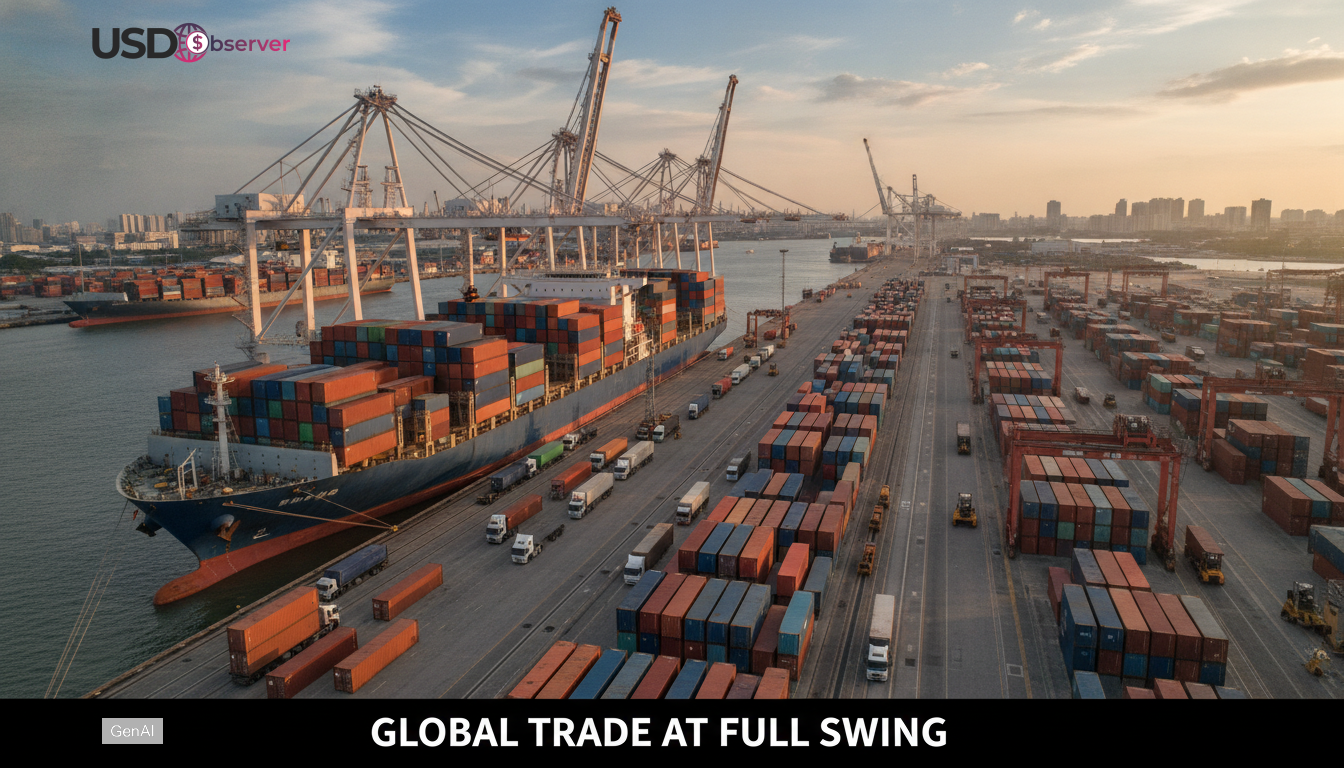
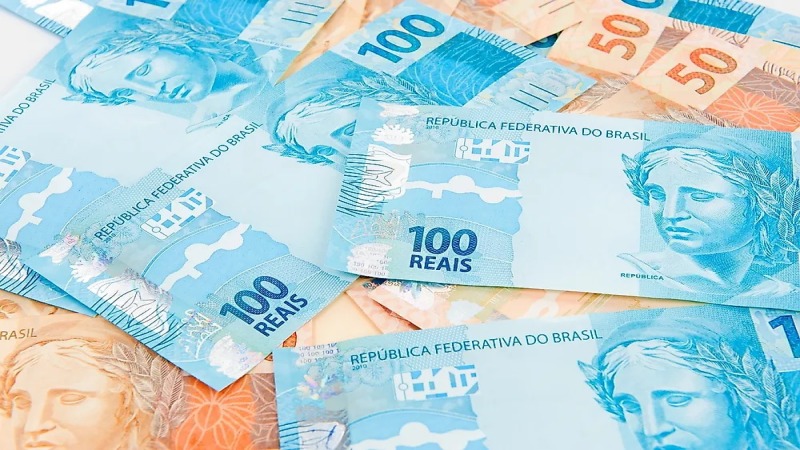
Many South American economies rely heavily on commodity exports, which are often priced in USD. As a result, the region faces strong correlations between global commodity cycles and currency movements. Countries such as Brazil, Chile, and Peru have developed stronger currency buffers by adopting flexible exchange rate regimes and accumulating reserves during periods of high export revenue.
These buffers play an important role when volatility rises in global markets. A stronger reserve position allows central banks to intervene selectively, providing support during periods of excessive depreciation. Analysts monitoring these markets note that commodity-linked FX pairs tend to show sharper reactions to USD movements, making real-time monitoring essential for traders.
Local-Currency Debt Markets Gain Traction
In recent years, South American governments have taken steps to reduce reliance on USD-denominated debt by expanding local-currency bond markets. This shift helps mitigate exposure to currency fluctuations and provides more stable funding conditions for public-sector borrowing. Stronger domestic debt markets also offer new opportunities for investment flows, helping to diversify sources of capital.
However, the transition is gradual. Many countries still depend on USD financing due to investor demand and limited domestic market depth. As a result, local-currency debt markets serve as a complementary measure rather than a replacement for USD borrowing. Traders watching yield spreads and issuance data gain insight into how successfully these markets are developing across the region.
Central Banks Maintain Active Policy Responses
Central banks in South America continue to play a central role in managing currency stability. With inflation pressures elevated in several economies, monetary authorities have adopted aggressive rate-hiking cycles to support local currencies and anchor expectations. These moves have helped limit excessive depreciation during periods of strong dollar momentum, although they also impose constraints on domestic economic activity.
Policymakers remain attentive to global conditions, particularly U.S. yield movements and shifts in global risk appetite. As the dollar cycle evolves, central banks are likely to maintain a mix of interest-rate flexibility, reserve management, and regulatory adjustments to reduce vulnerability to external shocks. For traders, central bank communication across the region remains a critical signal for understanding upcoming FX trends.
Conclusion
South American markets are strengthening their hedging strategies to manage increased sensitivity to USD movements. Through diversified financial instruments, stronger reserves, local-currency financing, and active policy responses, the region is working to reduce vulnerability to external shocks. As global conditions remain uncertain, these developments will continue shaping currency performance and providing important signals for traders and analysts tracking dollar-related trends.