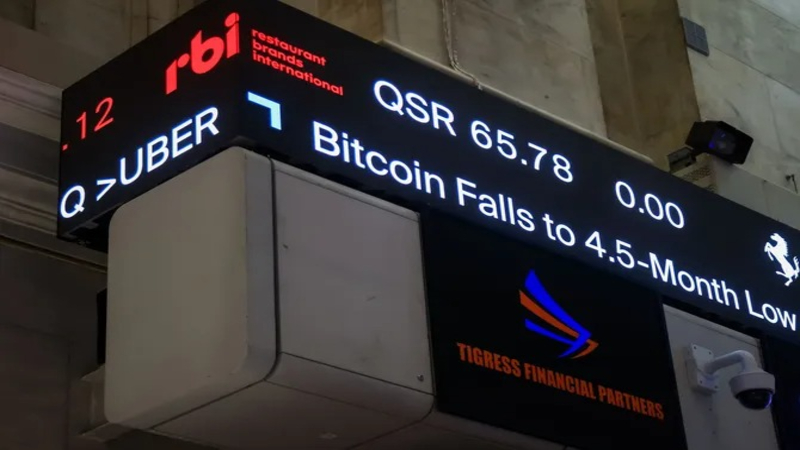
Bitcoin’s downturn has accelerated through the final quarter of the year, eroding much of the optimism that once positioned the cryptocurrency as a high-growth asset capable of competing with traditional financial instruments. After falling nearly thirty percent from its 2025 highs, the world’s largest digital asset is now trailing behind a broad lineup of benchmarks, including gold, Treasuries and even short-term government bills that typically gain attention during periods of tightening financial conditions. Investors who previously viewed Bitcoin as a hedge against inflation or an alternative store of value have grown increasingly cautious as volatility and shifting macroeconomic factors continue to weigh on sentiment. The drawdown comes at a time when global markets are reassessing risk exposure, driving renewed interest toward assets historically seen as more resilient in uncertain environments. As a result, the recent slide has intensified debate over Bitcoin’s long-term role in diversified portfolios and whether expectations placed on the asset have exceeded its current market behavior.
The broader decline is unfolding against a backdrop of fluctuating interest rate expectations, restrained liquidity and a retreat from speculative assets that surged during earlier cycles of abundant capital. With traditional markets adjusting to ongoing economic pressures and shifting monetary signals, Bitcoin’s underperformance reflects a dynamic in which investors favor more predictable yield-bearing assets rather than exposure to high-volatility instruments. Treasuries in particular have benefited from this adjustment, providing stability at a time when global risk indicators remain uneven. Analysts note that Bitcoin’s sharp corrections have become more frequent in environments where macroeconomic uncertainty clashes with thinning liquidity conditions across digital markets. The divergence between Bitcoin and conventional safe havens has therefore widened, reinforcing the narrative that the cryptocurrency still lacks the consistency required to function effectively as a reliable buffer against inflation or market stress.
Market observers are also evaluating how the asset’s recent behavior aligns with longer-term adoption expectations. While Bitcoin once held a compelling narrative as a hedge against currency debasement and a counterbalance to fiat-driven risk cycles, its struggles this year suggest its correlation profile remains fluid and heavily dependent on broader investor appetite. As digital markets continue to evolve, this volatility raises questions about the sustainability of narratives positioning Bitcoin as a counterpart to the US dollar or other established stores of value. The asset’s underperformance relative to bonds and gold has therefore led many traders to reevaluate exposure as they wait for clearer indications of where risk sentiment may settle. With the year nearing its close, Bitcoin’s path will likely remain tied to shifts in macroeconomic data and the global search for stability, making its near-term outlook heavily dependent on cross-market positioning heading into next year.