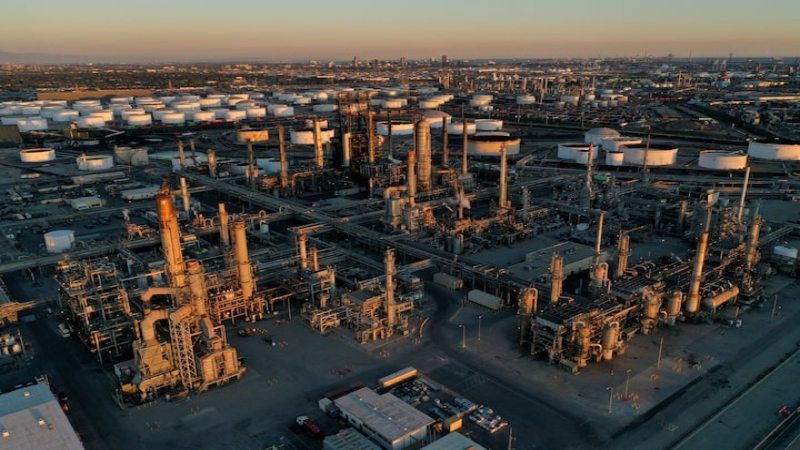
Energy companies are moving quickly to secure a rare opportunity in the US fuel market as upcoming refinery shutdowns in California create a significant supply gap and intensify concerns over regional price volatility. Two major refinery closures scheduled between this year and early next year are expected to remove nearly 280,000 barrels per day of processing capacity, a sharp loss for a region already known for sparse infrastructure and higher retail fuel costs. As operators assess how to fill this disruption, multiple pipeline proposals have surfaced, each aiming to deliver Gulf Coast supply to the West Coast more efficiently. Market analysts note that feasibility will rely heavily on shipper commitments, and only one project is likely to advance given the limited margins available and strong competition from imported fuel. This rapid alignment of commercial interests highlights how domestic supply constraints can reshape regional market structures, especially in areas where refining capacity and distribution logistics directly influence consumer price sensitivity and investor expectations.
California’s political environment, typically resistant to large-scale fossil fuel infrastructure, has shifted under the pressure of rising pump prices and public concern over the economic consequences of refinery closures. State leadership faces criticism over the trend of shrinking refining capacity, creating a narrow window in which pipeline proposals may receive regulatory flexibility that would be unlikely under normal circumstances. Existing pipeline operators have emphasized that securing enough long-term commitments is essential to reaching a final investment decision, and projects repurposing older lines could move faster due to fewer regulatory hurdles. Analysts highlight that proposals supported by refiners themselves may have an edge, since these companies can guarantee a baseline level of shipping volume. Still, questions remain about whether the required commitments will materialize in time, as industry participants weigh long-term infrastructure investments against more flexible alternatives such as maritime supply routes.
Several refiners have expressed caution about committing to fixed pipeline arrangements, pointing instead to the strategic appeal of waterborne imports that allow greater flexibility in sourcing crude and refined products from global markets. The ability to pivot between international arbitrage opportunities has become an essential part of their commercial strategy, offering a hedge against regional imbalances and shifting price dynamics. As a result, some analysts argue that any single pipeline project would need to demonstrate clear long-term cost advantages to attract sufficient support. The debate reflects broader trends shaping the US energy market, where supply diversification, geopolitical shifts and infrastructure constraints intersect with monetary developments that influence risk appetite and capital allocation. For USD markets, these structural changes in the energy sector feed into broader macroeconomic assessments, influencing expectations around inflation, supply chain resilience and future demand patterns tied to oil and refined products.