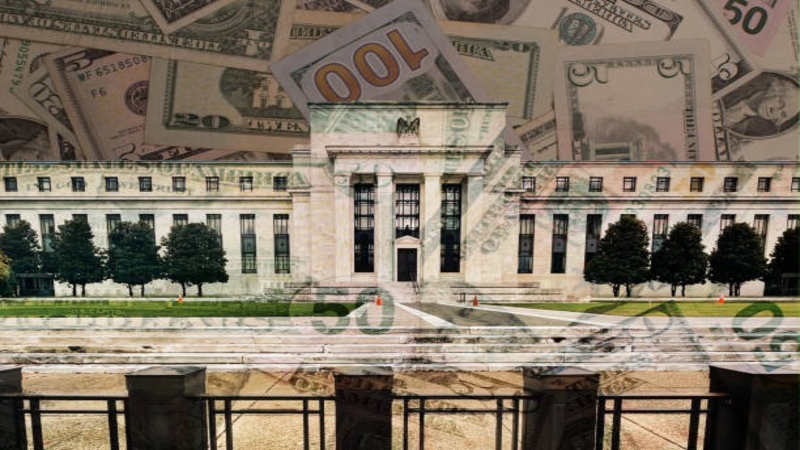
The Federal Reserve signaled a cautious approach toward future rate cuts this week as policymakers evaluated the balance between cooling inflation and sustained economic resilience. Recent statements from central bank officials emphasized the need for clear and consistent evidence that price pressures are moving firmly toward target. This cautious tone has influenced market expectations and contributed to a more measured outlook for monetary policy in the months ahead.
Traders responded by adjusting rate forecasts, pricing in a slower and more deliberate easing cycle than previously anticipated. The shift has affected Treasury yields, risk sentiment, and the performance of interest rate sensitive sectors. With economic indicators still showing mixed trends, the central bank remains focused on achieving inflation stability without undermining employment gains or broader economic momentum.
Fed signals patience as inflation trends show gradual improvement
The most significant factor behind the Fed’s cautious approach is the mixed progress on inflation. While headline inflation has eased meaningfully from its peak, core categories such as housing, services, and labor-related costs remain elevated. Policymakers have expressed concern that early rate cuts could risk reversing progress and reintroducing inflationary pressures. This cautious stance underscores the central bank’s preference for sustained evidence of stability before initiating meaningful policy shifts.
Market participants note that the Fed is closely following monthly inflation prints, labor market trends, and consumer spending data to guide decisions. The preference for patience reflects a desire to avoid premature easing during a period when the economy remains stronger than initially anticipated. As a result, the timeline for rate cuts has shifted outward, affecting expectations across bond markets, currency markets, and corporate planning.
Treasury yields and market pricing adjust to slower easing outlook
The change in tone from the Federal Reserve has contributed to upward pressure on Treasury yields. Investors now expect fewer rate cuts and a more extended period of elevated interest rates, which has reshaped the yield curve. Short and medium maturities have risen more notably as traders reassess expectations for monetary easing. This has created a ripple effect across global financial markets as international investors adjust to the revised US rate outlook.
Higher yields have improved the relative attractiveness of dollar-denominated assets. Foreign demand for US debt has strengthened, further supporting Treasury performance despite the upward move in yields. Currency traders have also responded to this shift, with the US dollar gaining ground against several major currencies. Market behavior reflects a broader recalibration as investors incorporate the idea that interest rates may remain restrictive for longer than anticipated.
Economic resilience complicates the timing of policy adjustments
One reason the Fed remains cautious is the surprising resilience of the US economy. Consumer spending remains steady, the labor market continues to demonstrate strength, and business investment has shown signs of stabilizing. These trends support the view that the economy can withstand higher rates without falling into contraction, which reduces pressure on policymakers to ease quickly.
However, the central bank is also aware of the risks associated with prolonged restrictive policy. Higher borrowing costs have weighed on certain sectors such as housing and manufacturing. Small businesses continue to face challenges accessing credit at elevated interest rates. Policymakers must balance these pressures carefully, ensuring that financial conditions do not tighten to levels that risk slowing the economy excessively.
Corporate and financial sectors react to shifting policy expectations
Corporate decision makers have begun adjusting strategies in response to the slower outlook for rate cuts. Companies in sectors heavily influenced by financing conditions are reevaluating expansion plans and cost structures. Real estate, technology, and discretionary industries are particularly focused on how long higher borrowing costs will persist. In contrast, financial firms have benefited from stable or improving net interest margins, which support earnings during periods of elevated rates.
Equity markets have shown mixed reactions. Some sectors have gained support from stronger earnings outlooks, while others have experienced valuation pressure. Traders expect that policy clarity will play an important role in determining equity momentum over the next several weeks. As long as the Fed maintains a cautious stance, markets are likely to move in a more data dependent and selective manner.
Conclusion
The Federal Reserve’s cautious stance on rate cuts reflects a complex economic environment where progress on inflation is steady but incomplete. With policymakers prioritizing stability and avoiding premature easing, markets have adjusted expectations for a slower and more deliberate policy path. As upcoming data releases shape the broader narrative, traders and businesses will remain focused on signals that clarify the timing of future rate adjustments.