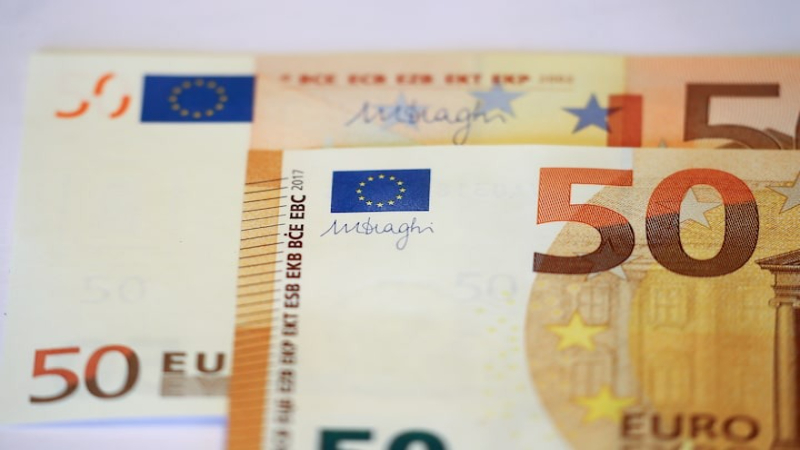
The euro’s steady rise during a turbulent period for global markets has prompted renewed attention to how shifting capital flows may influence the outlook for the dollar. Despite four interest rate cuts from the European Central Bank over the past year, the euro has retained most of its gains in 2025 and recently reached record highs against the yen along with its strongest level in more than two years against the British pound. Analysts observed that the usual safe haven performances of other currencies have not materialized, with the yen failing to attract defensive flows despite market volatility and ongoing political uncertainty in Japan. This backdrop has reinforced the idea that broader structural factors may be supporting the euro’s resilience, particularly as investors reassess exposure to US technology giants following a period of elevated valuations and increased scrutiny of artificial intelligence driven market cycles. While the dollar did not benefit from traditional risk aversion in recent sessions, its performance remains tied to expectations surrounding Federal Reserve leadership changes and the pace of future policy moves.
Recent developments in cross border investment trends have played a growing role in the conversation, especially given the euro zone’s sizable positive net international investment position of more than one trillion euros. This contrasts sharply with the United States, where a substantial investment position deficit reflects years of overseas interest in American equities, particularly within the technology sector. Some analysts now see the possibility of gradual rebalancing as global portfolios react to concerns about stretched US valuations and potential shifts in central bank approaches on both sides of the Atlantic. Forecasts suggesting that US equity returns could lag global peers over the next decade have added weight to the discussion, raising questions about whether long standing patterns of capital allocation may begin to change. If even a modest portion of European wealth invested abroad begins to return home, the resulting adjustment in currency flows could influence the dollar’s trajectory, especially at a time when interest rate expectations remain fluid and market uncertainty persists.
Market attention is also focused on evolving central bank leadership dynamics as both the Federal Reserve and ECB face important transitions in the coming years. Early 2026 is expected to be a critical period for the Federal Reserve as upcoming appointments could reshape the policy landscape and influence how the institution navigates inflation pressures, fiscal uncertainty and shifts in global growth. In Europe, speculation surrounding future ECB leadership, including the possibility of a more traditionally conservative choice, has contributed to ongoing debate about the currency’s medium term outlook. Meanwhile, Germany’s plans for increased fiscal spending into 2026 could have implications for euro zone growth assumptions and longer term inflation expectations. For the dollar, these developments shape a complex environment where global risk appetite, capital flows and macro policy direction intersect. With markets preparing for further data releases and continued volatility in technology shares, currency traders are watching closely to see whether the euro’s current momentum signals a deeper adjustment or remains a temporary reaction to recent market stress.