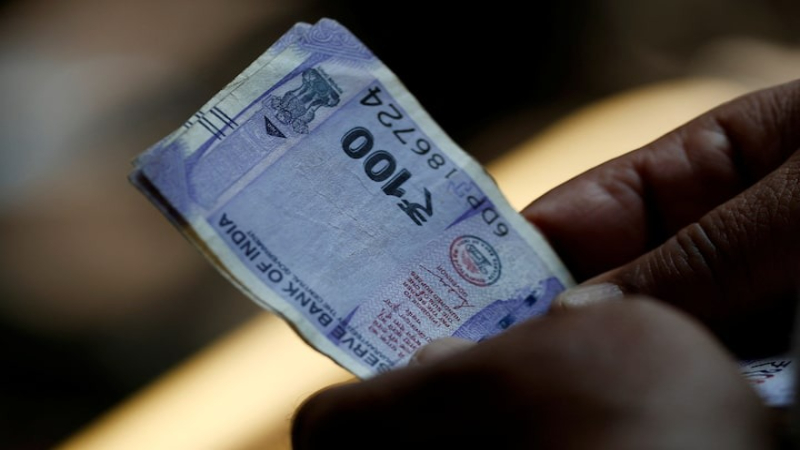
The Indian rupee began the week under renewed pressure as investors prepared for a volatile stretch in global currency markets driven by shifting expectations around upcoming United States economic data. With the dollar supported by a firm repricing of Federal Reserve policy expectations, traders are watching how aggressively the Reserve Bank of India responds as the rupee trades close to its all time low. The currency ended last week near 88.74 to the dollar, with market flows from both merchants and portfolio investors skewed persistently toward dollar demand. Frequent central bank intervention moderated the selling pressure, yet traders believe the rupee will remain within a narrow band that leans toward further depreciation. The continued build up of demand for the dollar has been influenced by a global shift back toward safe assets as investors reduce expectations of a near term Fed rate cut. Money market pricing now suggests less than a fifty percent probability of easing next month compared with stronger expectations only a week earlier, highlighting the significance of this week’s return of key United States indicators.
Analysts expect the rupee to move between 88.40 and 88.80 as sentiment hinges on the tone of delayed United States data, particularly the resumption of labour and housing indicators and the release of minutes from the Federal Reserve meeting. Recent signals from US policymakers have amplified market caution, with several officials suggesting they prefer keeping rates unchanged until they gain clearer insight into employment conditions. This stance has strengthened the dollar against most Asian currencies and added pressure on local markets that are already adjusting to global risk aversion. The Indian bond market reflects this uncertainty as yields stabilize after the Reserve Bank of India resumed bond purchases earlier this month. The benchmark ten year yield settled near 6.53 percent after retreating sharply during the week, yet traders expect it to remain within a narrow range until the central bank provides further clarity through either additional purchases or guidance on its policy direction.
Foreign investment in Indian debt has increased steadily in recent weeks and will be closely watched as global conditions evolve. Investors bought nearly fifty billion rupees of bonds in the first half of November following larger inflows in October, reinforcing their interest in the country’s long term debt outlook even as currency volatility persists. However, local swap markets show no expectation of a December rate cut despite inflation falling to a record low, indicating that policymakers are likely to prioritize stability as the rupee hovers near sensitive levels. Market participants believe the central bank’s return to bond purchases signals concern that yields may be rising faster than warranted by domestic fundamentals. As global investors position for major United States releases including jobless claims, existing home sales, and manufacturing surveys, sentiment toward the dollar and emerging market currencies will be shaped heavily by how convincing this week’s macro signals prove to be. The rupee’s trajectory will depend on whether United States data revives expectations of a gradual Fed easing cycle or reinforces the view that interest rate cuts may be further delayed.