Tokenized commodities are emerging as one of the most innovative developments in digital finance, providing investors with a new way to access and manage exposure to real world assets. By representing physical commodities such as gold, oil, and agricultural products on blockchain networks, tokenization enhances transparency and allows for more efficient trading. As global markets adapt to digital infrastructure, investors are increasingly exploring tokenized assets as part of diversified strategies.
This shift reflects a broader evolution in how financial markets handle settlement, liquidity, and asset ownership. Tokenized commodities bridge traditional markets with digital ecosystems, offering faster settlement and improved accessibility. With the expansion of secure custody options and regulatory progress in several regions, the appeal of tokenized asset markets continues to grow. For macro analysts and traders, understanding this trend is essential for interpreting future demand patterns.
Why Tokenized Commodities Are Attracting Institutional and Retail Investors
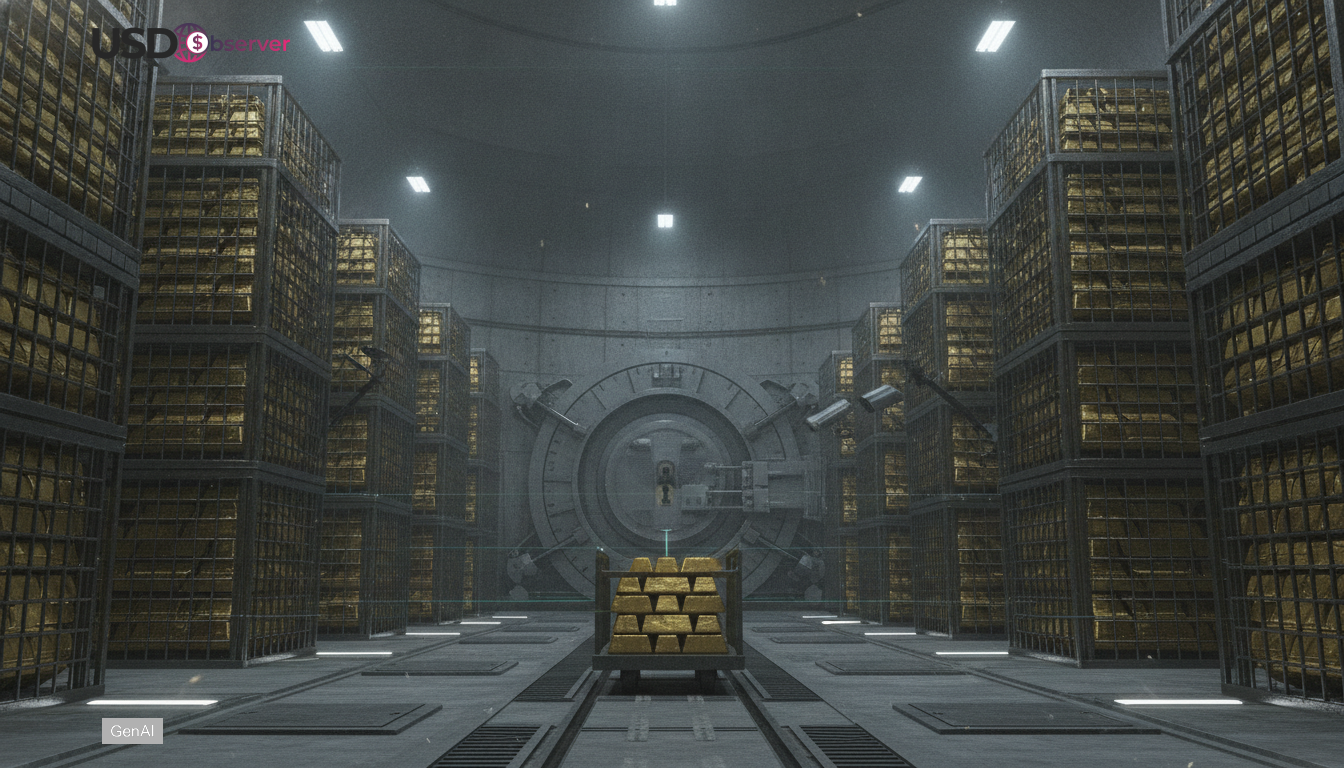
The most important factor driving adoption is the ability to fractionalize commodity exposure. Tokenization allows investors to purchase small portions of physical assets without requiring storage, shipping, or traditional settlement procedures. This opens the door for broader participation in markets that were historically dominated by large institutions. Gold, for example, can be purchased in tokenized form with full onchain verification of reserves, enhancing investor confidence and simplifying access.
Transparency is another core advantage. Investors can track reserve audits, ownership records, and transaction flows directly on blockchain networks. This reduces the risk of manipulation and improves the reliability of market data. Institutional investors especially value this feature, as it supports better risk assessment and compliance. Tokenization also increases liquidity by enabling round the clock trading across global platforms, creating opportunities for traders who rely on real time price movements.
Commodity Backing and Market Stability
One of the defining features of tokenized commodities is the guarantee that each token represents a specific quantity of a physical asset. Custodians manage the underlying reserves, ensuring that the token supply accurately reflects available backing. This structure helps stabilize market pricing and enhances investor trust. Gold and silver are the most common examples, but several platforms are expanding into energy products, industrial metals, and agricultural goods.
Market stability improves when commodity backing is verifiable and immutable. Tokenization reduces the complexity of managing physical ownership while preserving the value link between the token and the underlying asset. For global investors, this combination of stability and digital accessibility creates a compelling alternative to traditional physical or paper based commodity exposure.
Impact on Global Trading and Settlement Efficiency
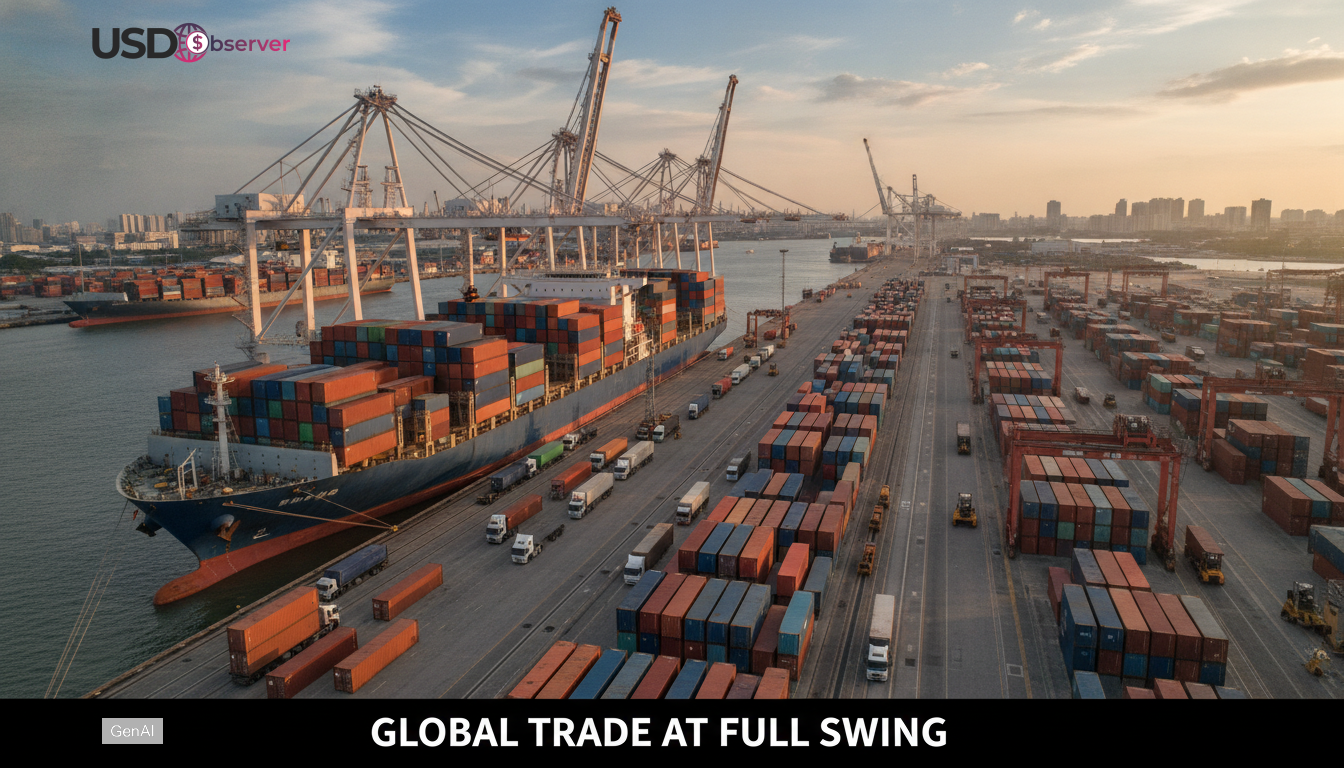
Tokenized commodities also help streamline global trade by enabling faster and cheaper settlement processes. Traditional commodity settlement can require multiple intermediaries and lengthy reconciliation steps. Blockchain based settlement removes many of these inefficiencies, allowing transactions to clear in minutes instead of days. For institutions engaging in high volume trading, this improved speed enhances liquidity management and reduces operational risk.
Cross border settlement is another area where tokenization offers significant advantages. By bypassing complex banking networks, tokenized assets allow traders to move value across regions more efficiently. This is particularly appealing for commodities linked to global supply chains where delays can be costly. As adoption grows, tokenized platforms could become integral to international trade finance and logistics operations.
Tokenized Markets and the Future of Commodity Pricing
The increasing popularity of tokenized commodities may eventually influence how commodity prices are discovered and traded. Real time onchain data allows traders to analyze liquidity flows, market depth, and transaction activity with greater precision. This added transparency offers insights that can enhance short term trading strategies and long term price forecasting.
Some analysts believe that tokenized markets could complement or even challenge traditional exchanges if adoption continues to expand. While full integration will require regulatory clarity and standardized frameworks, early signs show that tokenized commodity markets are gaining traction among investors seeking a balance of stability and technological efficiency.
Conclusion
Tokenized commodities are reshaping access to real world assets by offering transparency, liquidity, and efficient settlement. Their rise reflects growing interest in digital finance and the convergence of blockchain technology with traditional commodity markets. As adoption increases, investors will continue exploring tokenized assets as part of diversified global strategies.