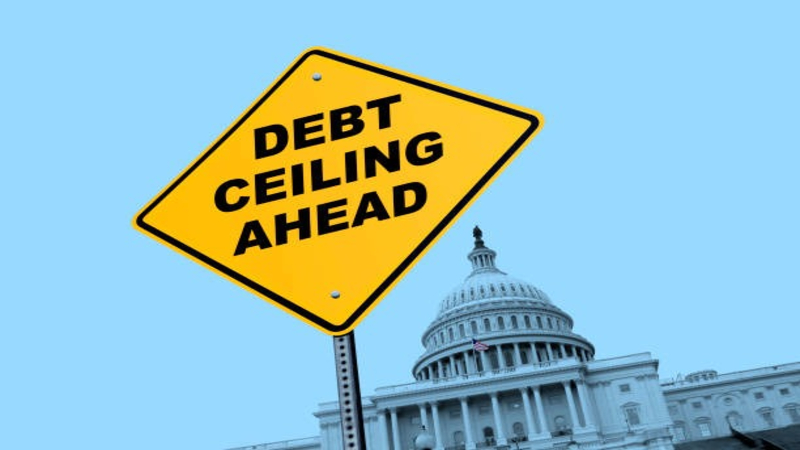
The debate around the U.S. debt ceiling continues to cause uncertainty throughout global financial markets. Each time the government approaches its borrowing limit, investors grow concerned about the possibility of delayed payments, halted government operations or disruptions in financial stability. These concerns create volatility across stocks, bonds and currency markets as traders respond to shifting political signals. While the U.S. has always raised or suspended the debt ceiling in the past, the recurring standoff creates a cycle of fear and short term instability.
The debt ceiling is not just a political issue. It affects the credibility of the United States in global markets, impacts borrowing costs and influences the confidence of businesses and households. When uncertainty rises, investors become more cautious, companies delay major decisions and financial conditions tighten. Understanding why the debt ceiling matters and how it influences markets is essential for interpreting these periods of volatility.
Why the Debt Ceiling Creates Market Volatility
The debt ceiling represents the legal limit on how much the U.S. government can borrow to pay existing obligations. When the ceiling is reached, the government must rely on temporary measures to avoid default. These measures only last for a limited time, and investors closely monitor how long they will remain effective. As the deadline approaches, financial markets react to the risk of delayed government payments.
Investors worry that a failure to raise the ceiling could harm the credit rating of the United States. A downgrade would signal reduced confidence in the government’s ability to meet its obligations. This fear often causes investors to sell riskier assets and move into safer ones. Bond markets become especially sensitive as yields fluctuate based on political negotiations and statements from government officials.
Equity markets also react quickly during debt ceiling debates. Companies that rely on government contracts, financial institutions and consumer driven sectors often see more volatility. Investors try to determine how potential disruptions could affect business performance if government spending temporarily slows down.
Impact on U.S. Treasury Markets
U.S. Treasury securities are considered among the safest assets in the world. When debt ceiling tensions rise, even these markets can become unsettled. Short term Treasury bills often see yield spikes as investors demand higher returns for the increased uncertainty. This unusual movement reflects the fear that payments on near term obligations could be delayed.
Longer term Treasury yields may also shift as global investors reassess the stability of U.S. financial policy. If confidence weakens, borrowing costs for the government increase. Higher borrowing costs eventually impact households and businesses through higher interest rates on mortgages, loans and credit products.
The Treasury market plays a central role in global finance because it influences the pricing of many other assets. When it becomes unstable, the effects ripple across worldwide markets.
How Businesses and Consumers Respond
Businesses feel the impact of debt ceiling debates through reduced confidence and potential delays in government payments. Companies that depend on federal contracts face uncertainty about their cash flow, which can lead them to postpone hiring or investment decisions. Even firms not directly tied to government spending may feel pressure as financial conditions tighten.
Consumers also react to rising uncertainty. Stock market volatility can influence household wealth, especially for those with retirement savings or investment portfolios. When markets become unstable, people may cut back on spending and become more cautious about major purchases. This shift in behavior can slow economic activity and reduce overall demand.
Banks and lenders often become more conservative during these periods. Credit standards may tighten and borrowing may become slightly more expensive if financial stress increases. These conditions add to the broader economic strain created by political uncertainty.
Global Reactions and International Market Stress
The U.S. dollar and Treasury securities play a key role in international finance. When debt ceiling tensions rise, global markets react quickly. Some investors may reduce exposure to U.S. assets until political negotiations become clearer. Currency markets can also shift as traders evaluate the risk of temporary instability.
International economies that rely heavily on U.S. financial flows may experience increased volatility. Global stock markets often move in response to U.S. political developments, reflecting the interconnected nature of today’s financial system. The longer the uncertainty continues, the stronger the global reaction tends to be.
Conclusion
The U.S. debt ceiling debate remains a significant source of market volatility. Concerns about government stability, rising borrowing costs and potential payment delays influence investor behavior and economic confidence. While the issue is ultimately political, its impact stretches across the entire financial system. Understanding these dynamics helps explain why markets react so strongly during each new debt ceiling standoff.