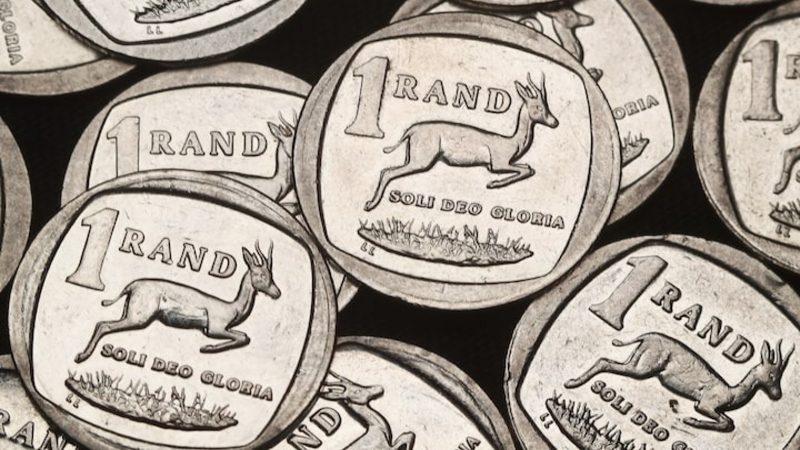
South Africa’s rand and government bonds drew renewed interest from global investors as markets reacted positively to the country’s reinforced fiscal discipline and the latest medium term budget statement signaling a stronger commitment to consolidation. The currency briefly touched 16.955 against the dollar, marking its firmest level in more than two years and extending an impressive year to date performance that has now surpassed 11 percent against a softer greenback. Local equities also advanced, reflecting broader confidence in the country’s policy direction and its improving outlook within the emerging markets landscape. Analysts highlighted the significance of South Africa’s continued focus on stabilizing debt levels and executing targeted fiscal measures, a strategy that has resonated with foreign investors searching for higher yielding assets with credible policy backing. The rally has been amplified by lower global volatility and a declining dollar, but the strength of domestic demand for bonds and the clear market response underscore the growing belief that the government’s long awaited reforms are beginning to gain traction.
Fixed income markets reacted strongly as well, with yields on key South African government bonds falling to multi year lows and local debt delivering some of the best returns across the emerging market universe. Long dated bonds have generated returns far exceeding the broader EM average, underscoring how sentiment has shifted in favor of assets backed by credible fiscal frameworks and improving macro indicators. Investor optimism was boosted by the Treasury’s pledge to deliver a third consecutive primary budget surplus, a milestone that signals a more sustainable fiscal trajectory under the leadership of Finance Minister Enoch Godongwana. Market participants noted that lower yields not only reduce borrowing costs but also create room for capital expenditure that can support growth over time. Traders and analysts expect that if the government maintains momentum on reforms and revenue collection improves, South Africa could move closer to a ratings upgrade, adding another catalyst for the rand and domestic bond markets.
Despite the improving narrative, analysts emphasized that risks remain and that continued discipline will be essential to sustain the rally and preserve investor confidence. Fiscal space, although improving, is still constrained by revenue challenges, large redemptions and the potential for external shocks that could affect commodity linked economies. Portfolio managers stressed that while the reform progress has been encouraging, execution will determine whether South Africa can maintain its current trajectory and fully leverage its position as one of Africa’s most industrialized and financially developed markets. For USD focused readers, the rand’s performance serves as a reminder that currency movements are increasingly shaped by the interplay between domestic policy strength and broader global market trends. With the dollar trading on mixed signals around Federal Reserve expectations, currencies with strong local catalysts have gained an advantage.