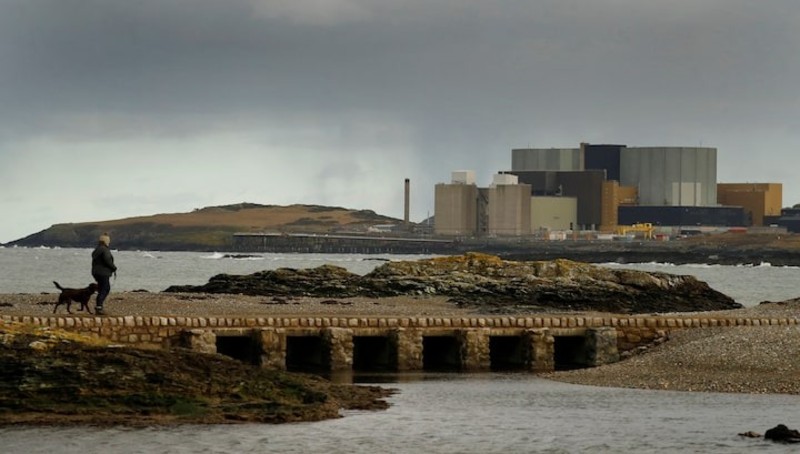
Tension between Washington and London rose on Wednesday as the United States delivered an unusually sharp criticism of Britain’s nuclear energy strategy ahead of an expected announcement on a new small modular reactor facility in Wales. The United Kingdom is set to confirm that its first small modular reactor station will be located at Wylfa on Anglesey, a region that previously housed a traditional nuclear power plant before it shut down a decade ago. United States officials had been advocating for a full scale nuclear project at the site, arguing it would provide greater long term capacity and faster economic benefits. In a pointed statement, the United States ambassador to London warned that the United Kingdom’s direction risks raising energy costs and delaying progress on reliable clean power. He said that cheaper and quicker alternatives were already available and that the two countries’ cooperation would be strengthened if Britain prioritised projects that accelerate energy affordability. The criticism marked one of the most direct interventions by Washington on British domestic energy planning in recent years.
British leaders have highlighted their continued alignment with the United States across defence, trade and foreign policy, noting that their partnership has helped secure tariff relief and deeper cooperation in regions facing geopolitical tension. However, the dispute over nuclear strategy illustrated a widening policy gap particularly as President Donald Trump continues to press for greater fossil fuel production and questions long term climate targets. British Prime Minister Keir Starmer has defended his broader energy plan but faces pressure from both domestic stakeholders and global partners as he attempts to balance affordability, climate goals and national security. Analysts said that the shift to small modular reactors reflects the United Kingdom’s longer term view that smaller units can be built and deployed more efficiently, though this remains an area of active debate among energy specialists. The ambassador’s remarks suggested that Washington is watching closely and expects London to reconsider larger scale developments in the near future.
The disagreement also comes as broader global energy markets remain strained by supply concerns and shifting investment patterns, raising the importance of consistent long term strategy among allied economies. Critics of Britain’s current approach argue that relying on small modular reactors could limit future output, while supporters believe that a diversified network of smaller facilities can be more resilient and more economically flexible. Observers noted that the ambassador’s statement appeared designed to influence upcoming decisions on additional nuclear developments, signalling that the United States views the issue as central to transatlantic energy alignment. Meanwhile, Trump maintains a strong stance against some of Britain’s renewable commitments and has encouraged increased North Sea drilling and reduced dependence on wind projects. With the Wylfa announcement expected imminently, market watchers said the reaction from both governments may determine the future of bilateral energy cooperation and shape how both countries manage clean power development in the coming decade.